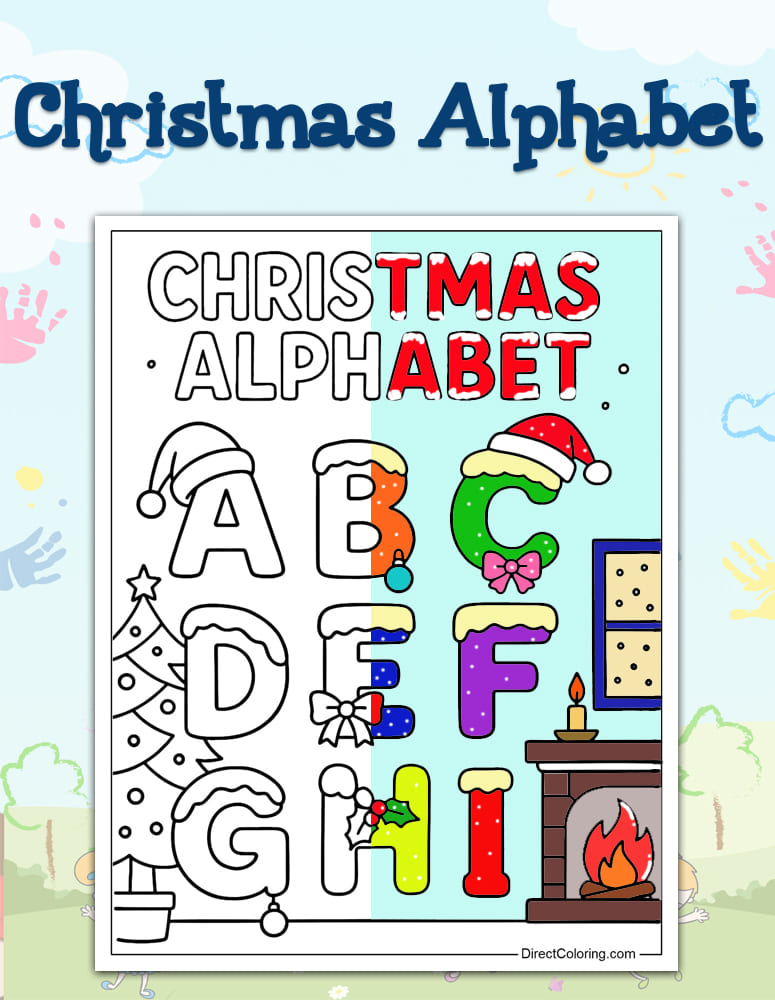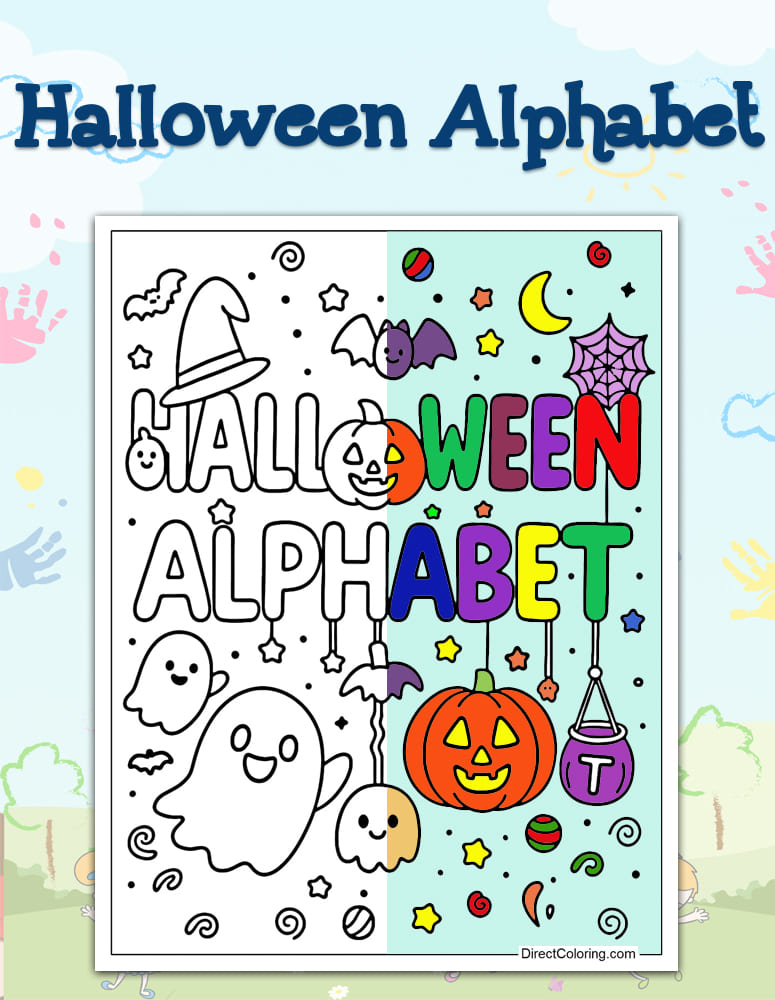
Alphabet Coloring Pages have a funny way of making kids forget they're doing something educational. Hand a page to a 4-year-old, and the first thing they do is scan for their own initial, not A, not the first page, just theirs. Then they sit down and start coloring like they've been waiting for it.
Alphabet coloring pages are printable letter-learning sheets that pair each letter with a matching image: an animal, an object, or a simple scene. Hence, children build letter recognition and early phonics awareness through coloring rather than drilling. The letters in this collection each have their own little scene: animals, objects, familiar moments that feel warm without being busy. Nothing complicated, nothing that needs explaining. Just a letter, a picture, and enough white space to make it feel like the page belongs to whoever's holding the crayon.
Explore Our Alphabet Coloring Pages Collection
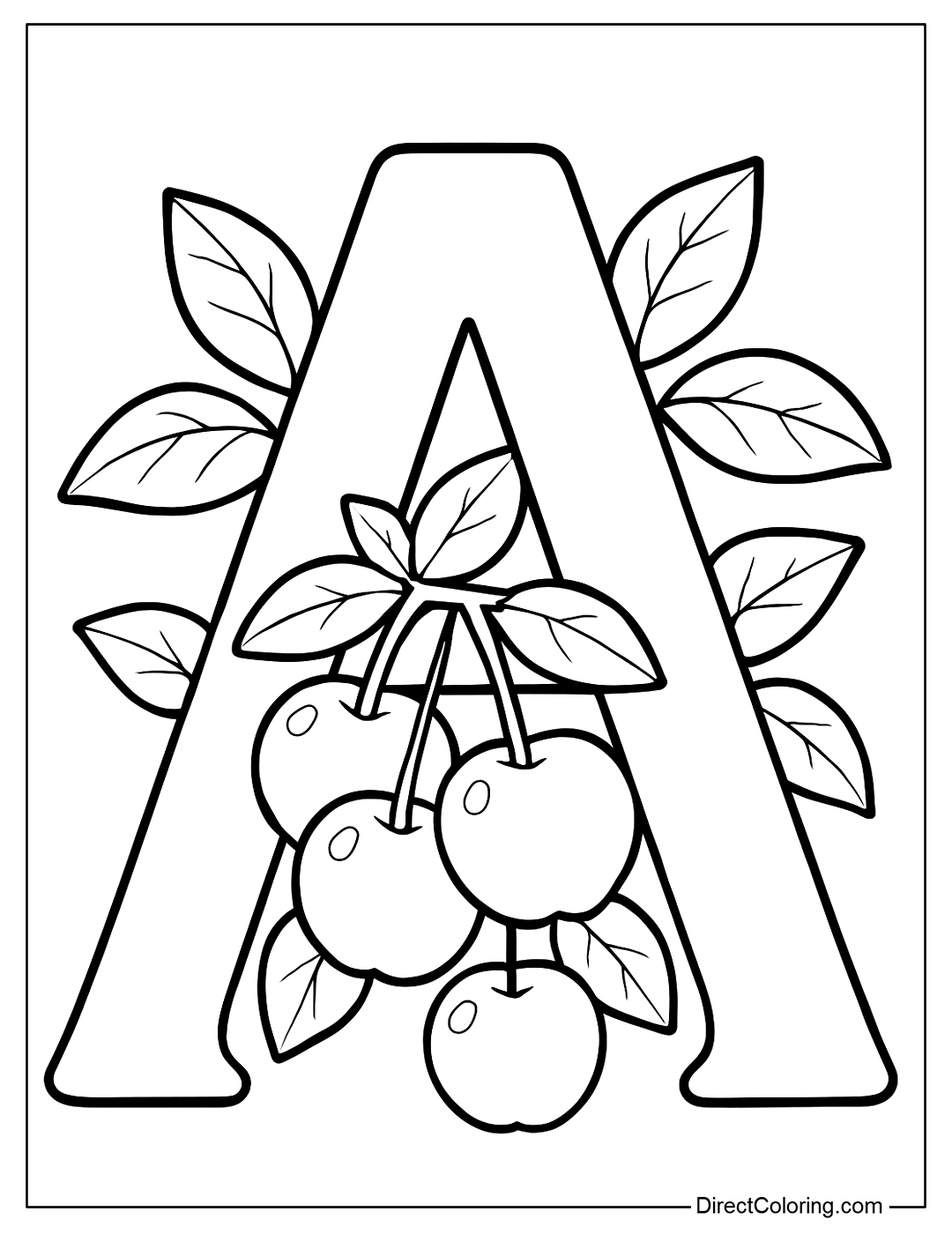
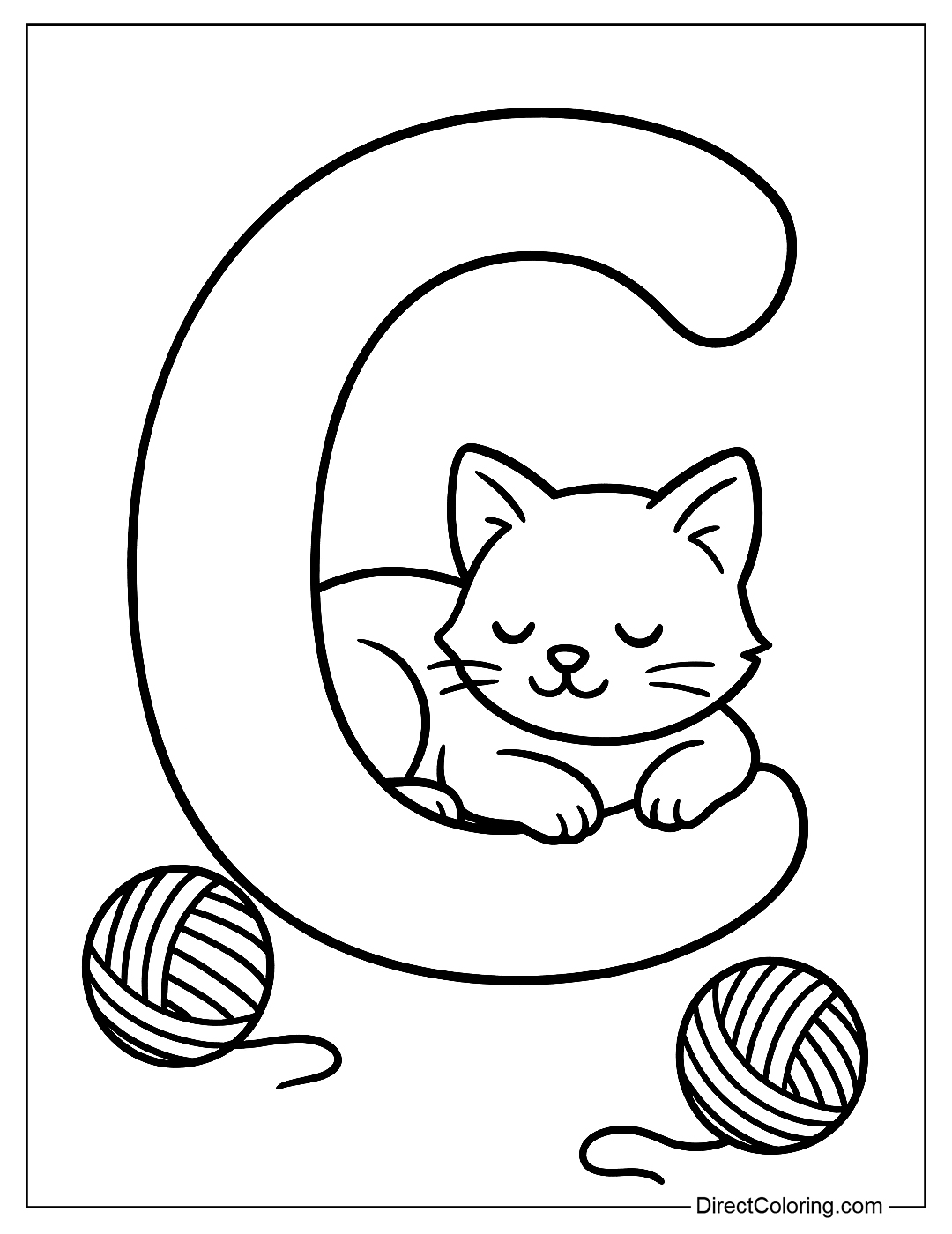
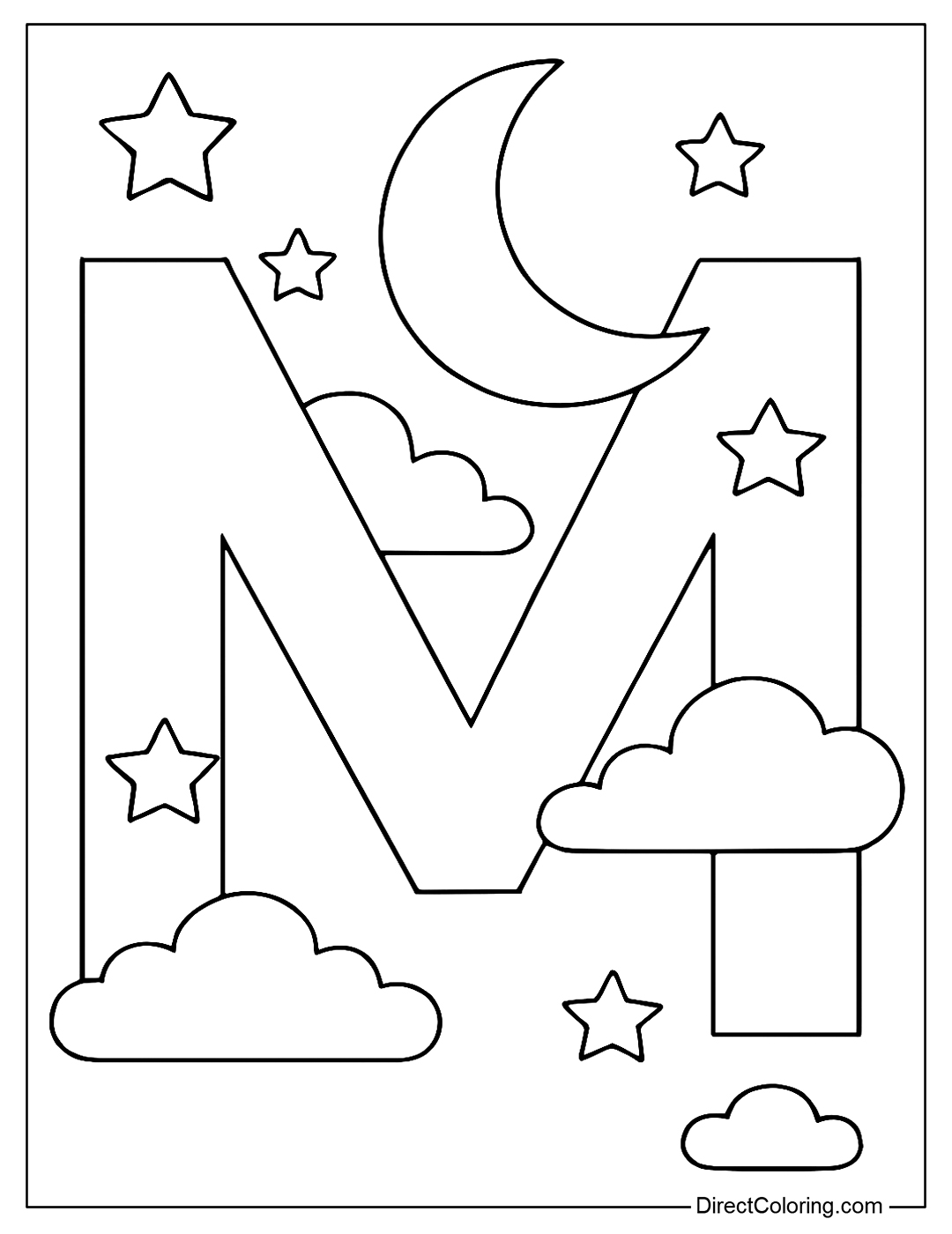
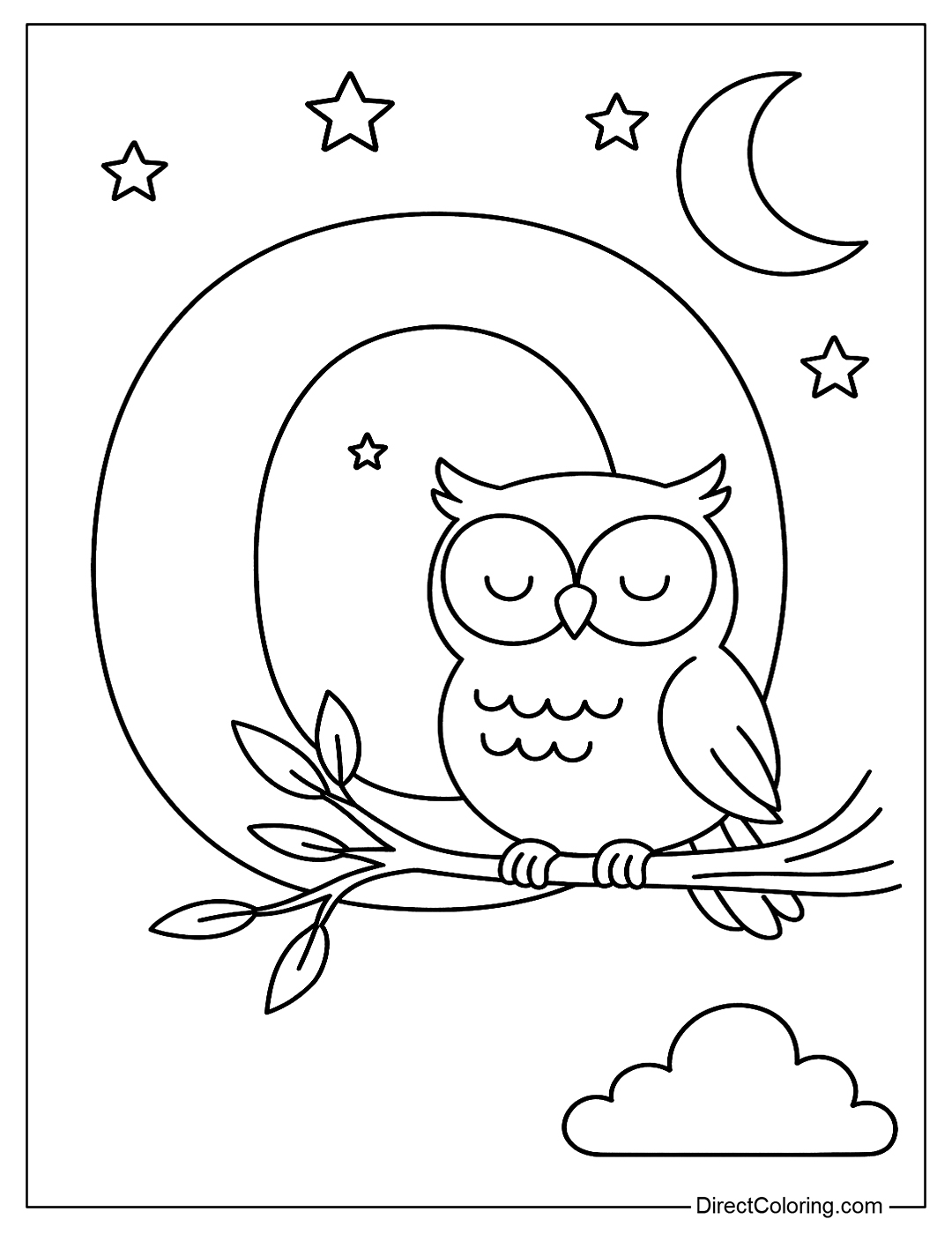
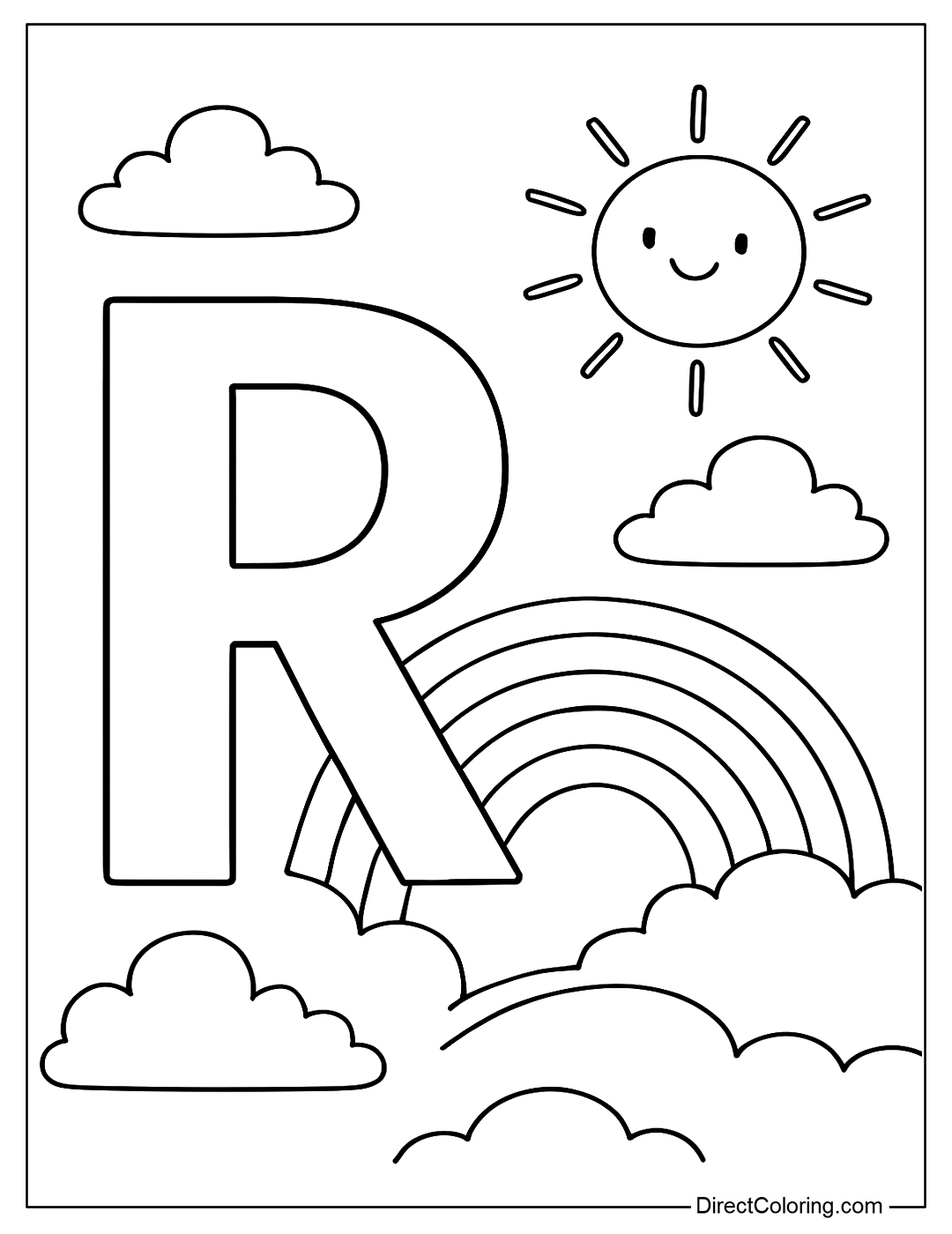
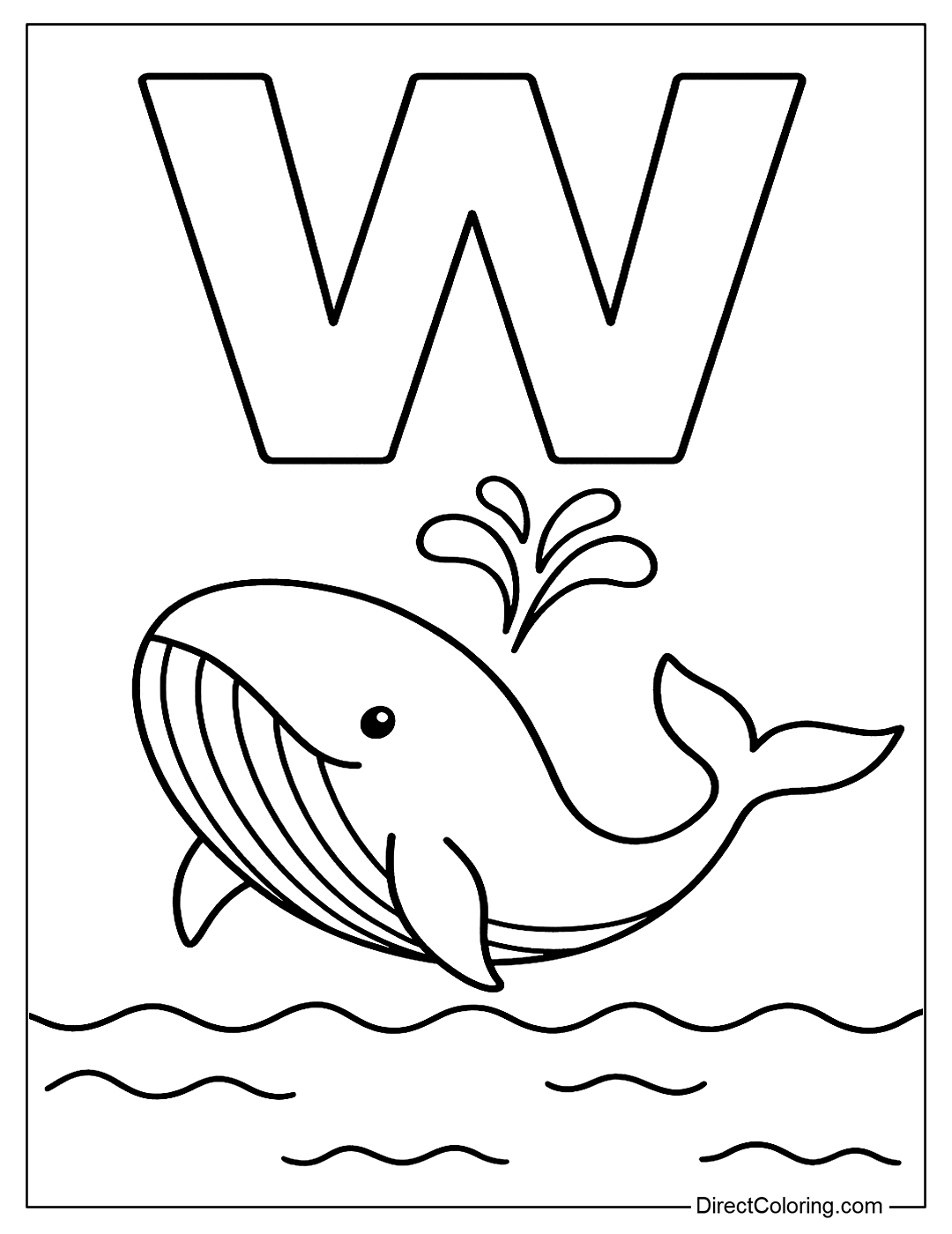
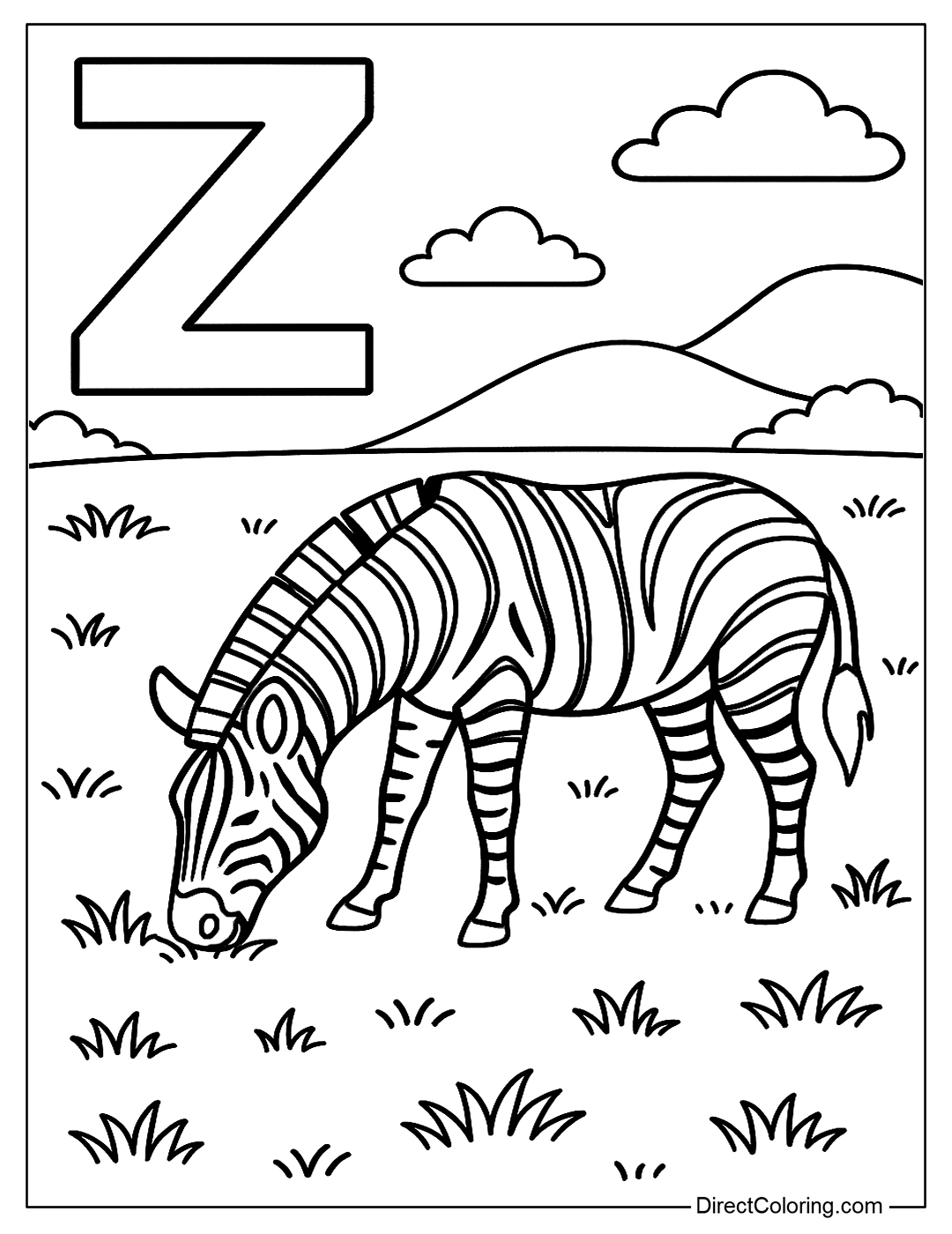
Letter A is buried in apples, the big juicy kind that take up real space on the page. Letter C has its arm around a cat that looks genuinely happy about it. Letter M is asleep on a crescent moon, which sounds strange until you see it, and it makes complete sense. Letter R is mid-slide down a rainbow, Letter W is in the middle of a splash with a whale, and Letter Z is walking through grass beside a zebra that's almost as tall as the letter itself.
Every page in this free printable alphabet coloring sheets collection uses thick outlines and wide open coloring areas, no tiny details to stress over, no corners that are impossible to fill. We designed these pages with large outlines because kids this age don't slow down for complicated. They color fast, they move on, and a clean layout means they actually finish the page instead of abandoning it halfway through. These print fine on regular paper at standard settings, which sounds obvious but saves a surprising amount of printer troubleshooting.
Discover more printable coloring pages you'll love
Cute Alphabet Characters Coloring Pages
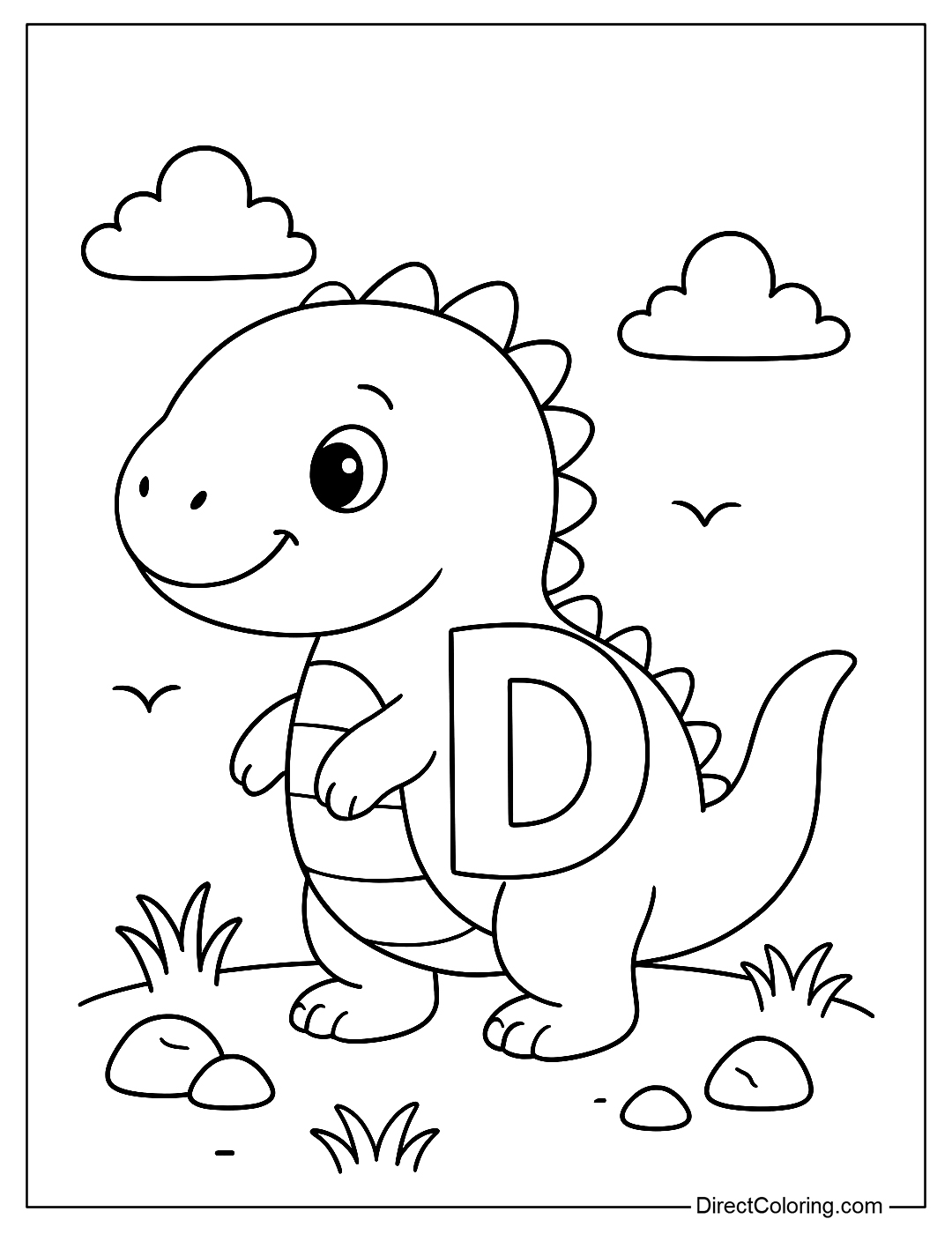
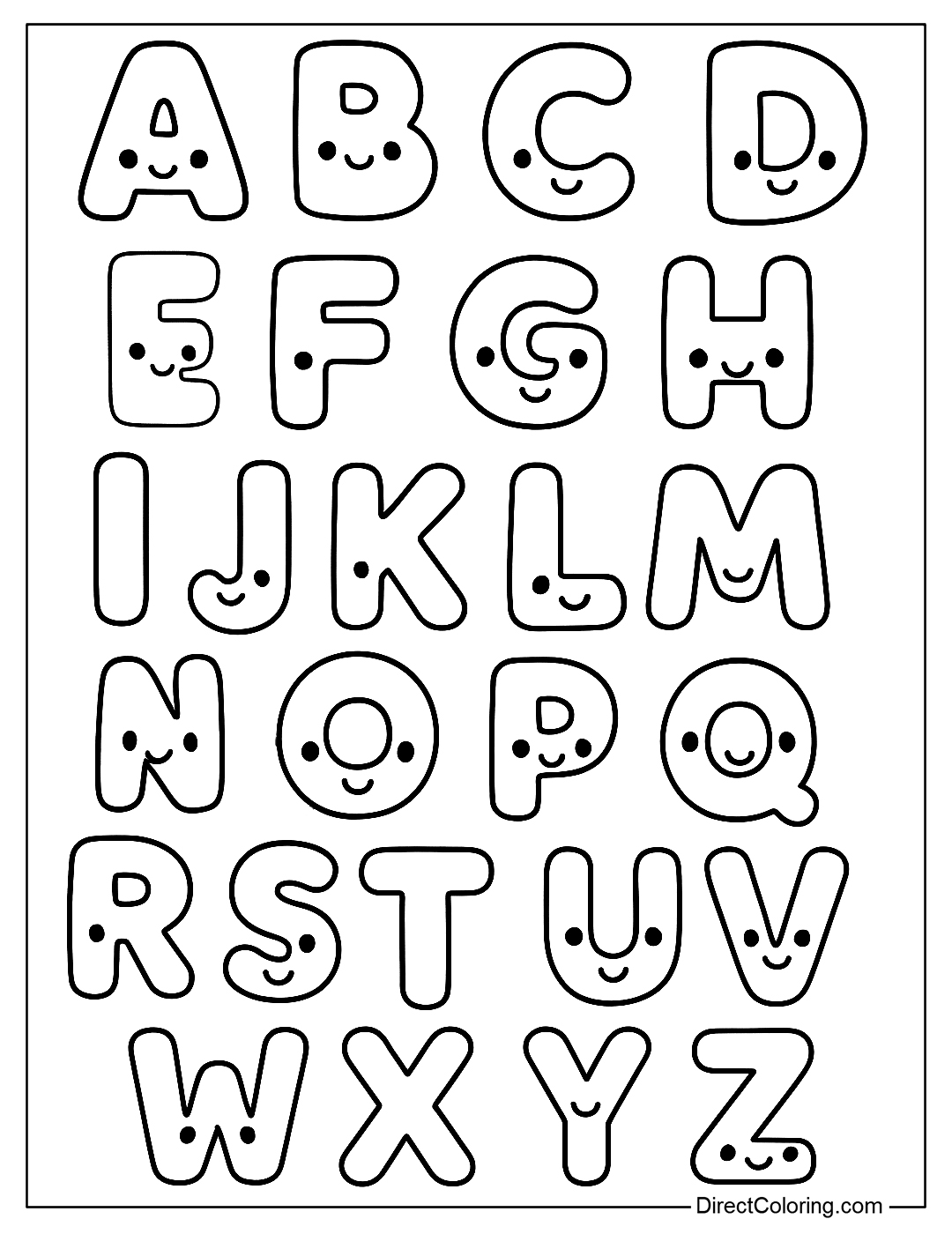
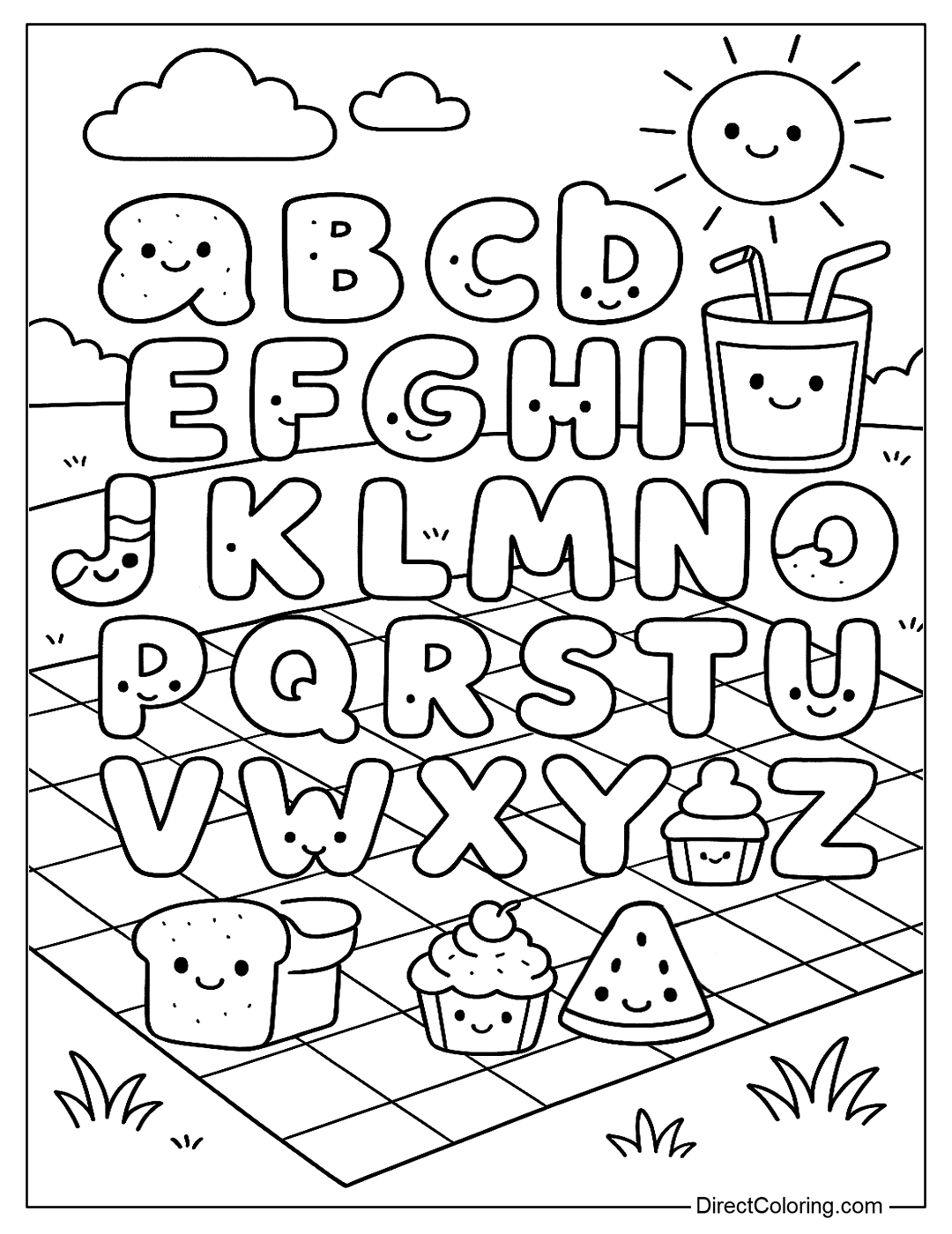
Meet the cute alphabet characters from A to Z! Each letter comes to life with a happy face, playful personality, and fun adventures that make learning the alphabet exciting for preschool and kindergarten kids. These printable coloring pages help children learn letter recognition, build early literacy skills, and enjoy creative coloring activities.
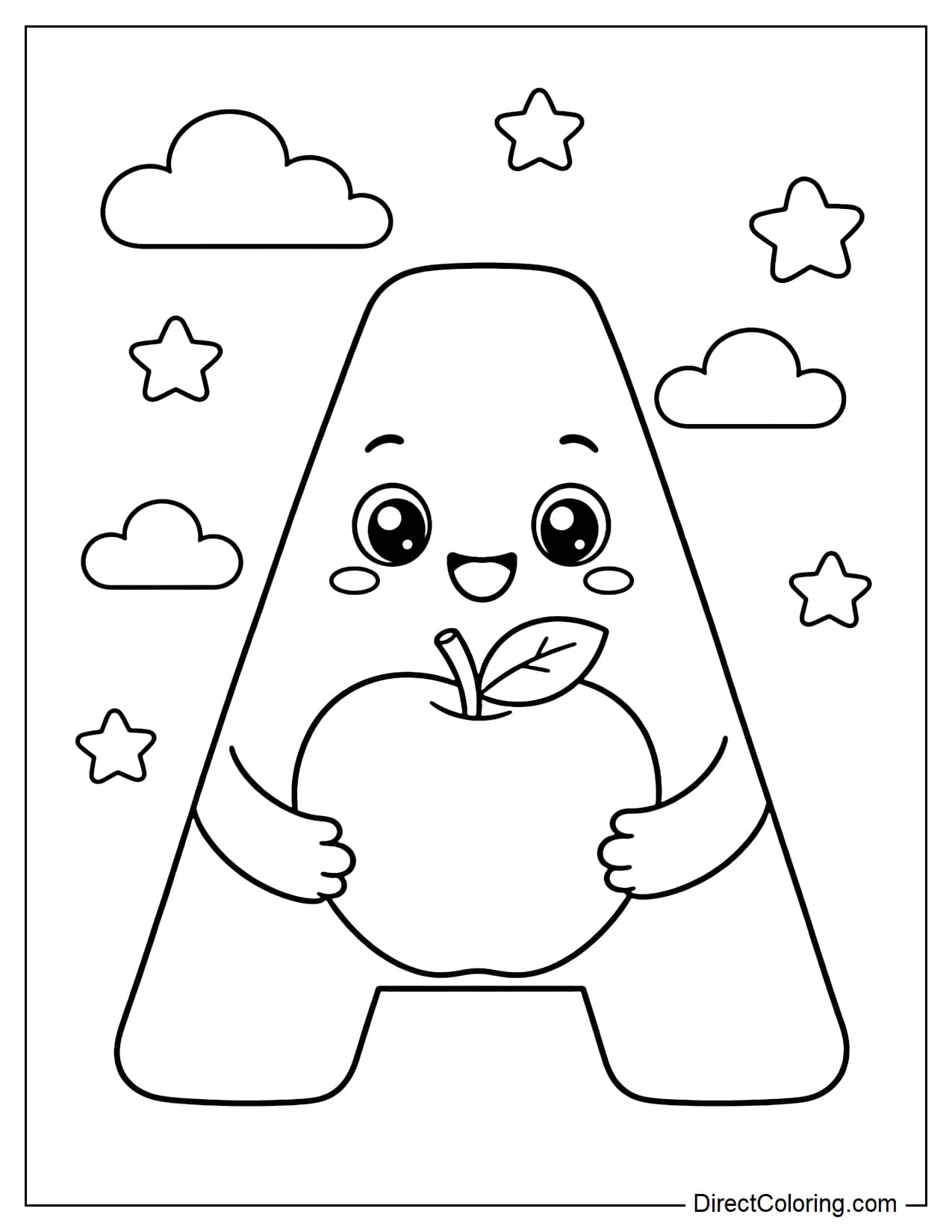
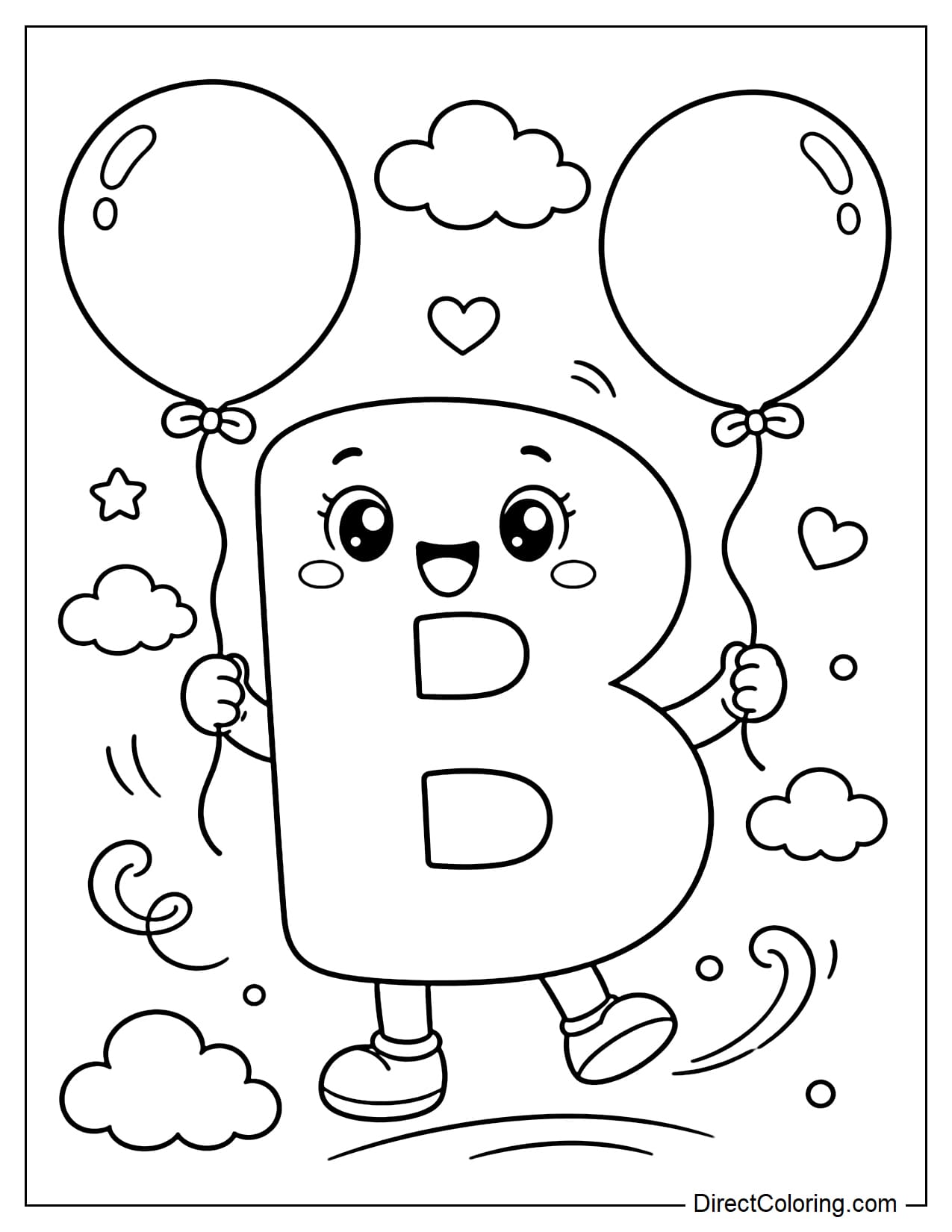
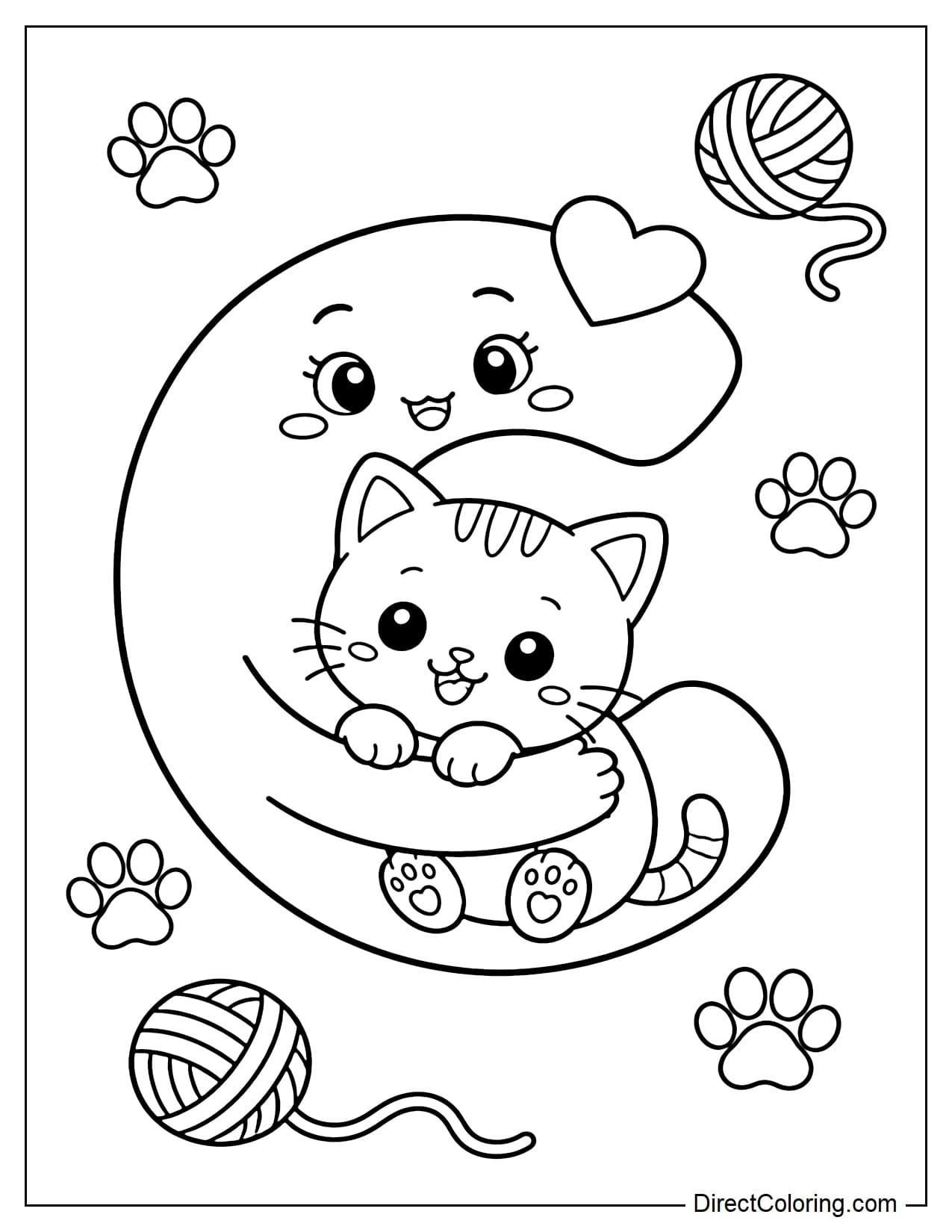
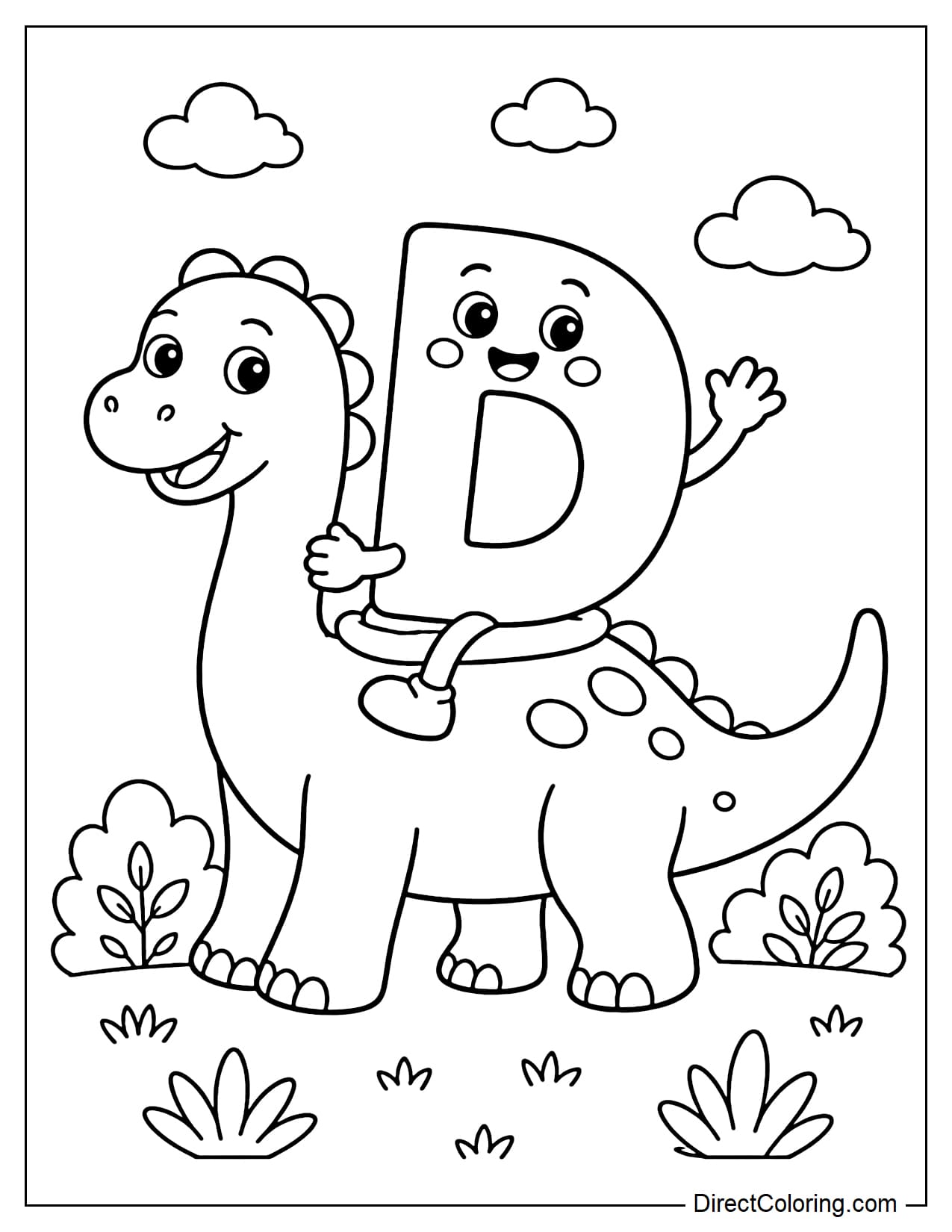
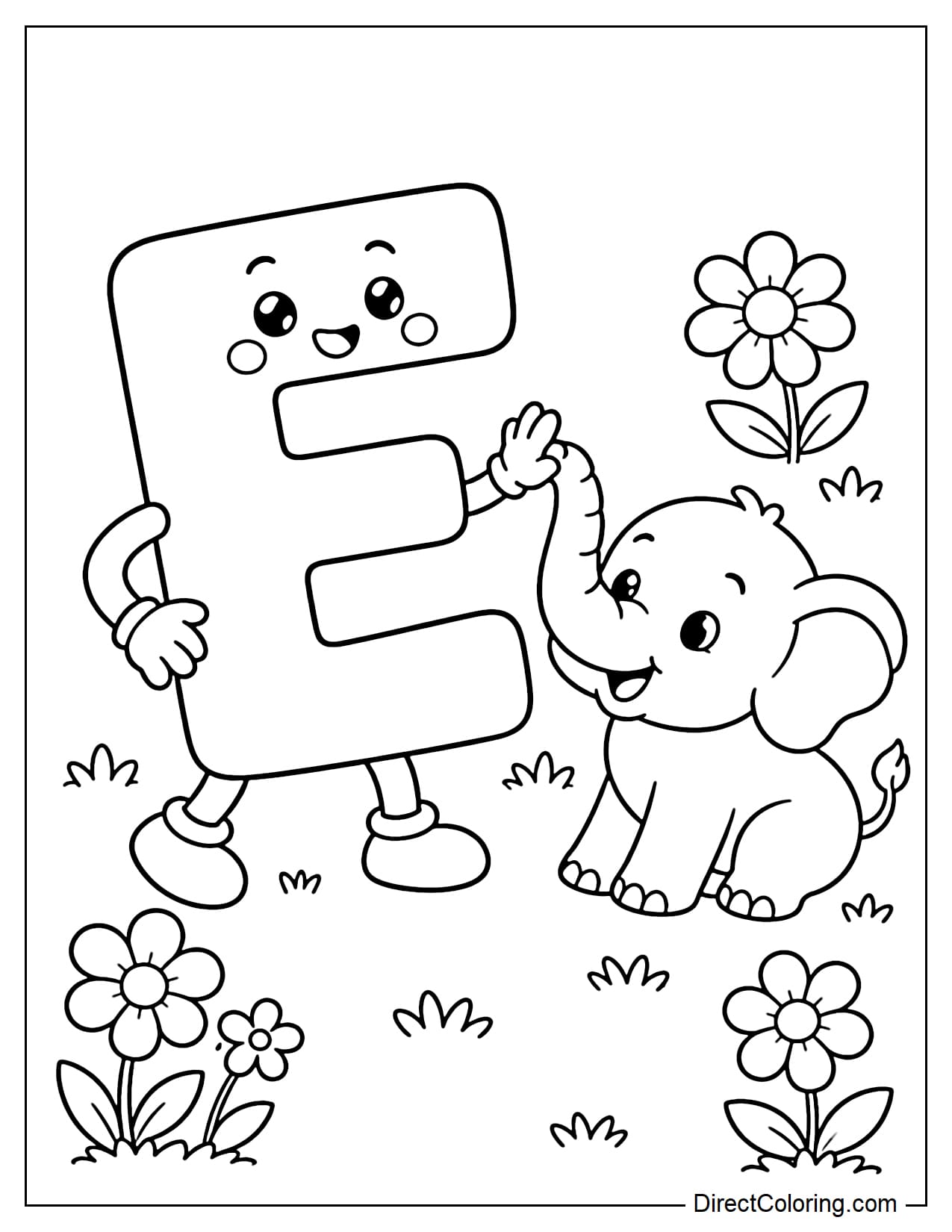
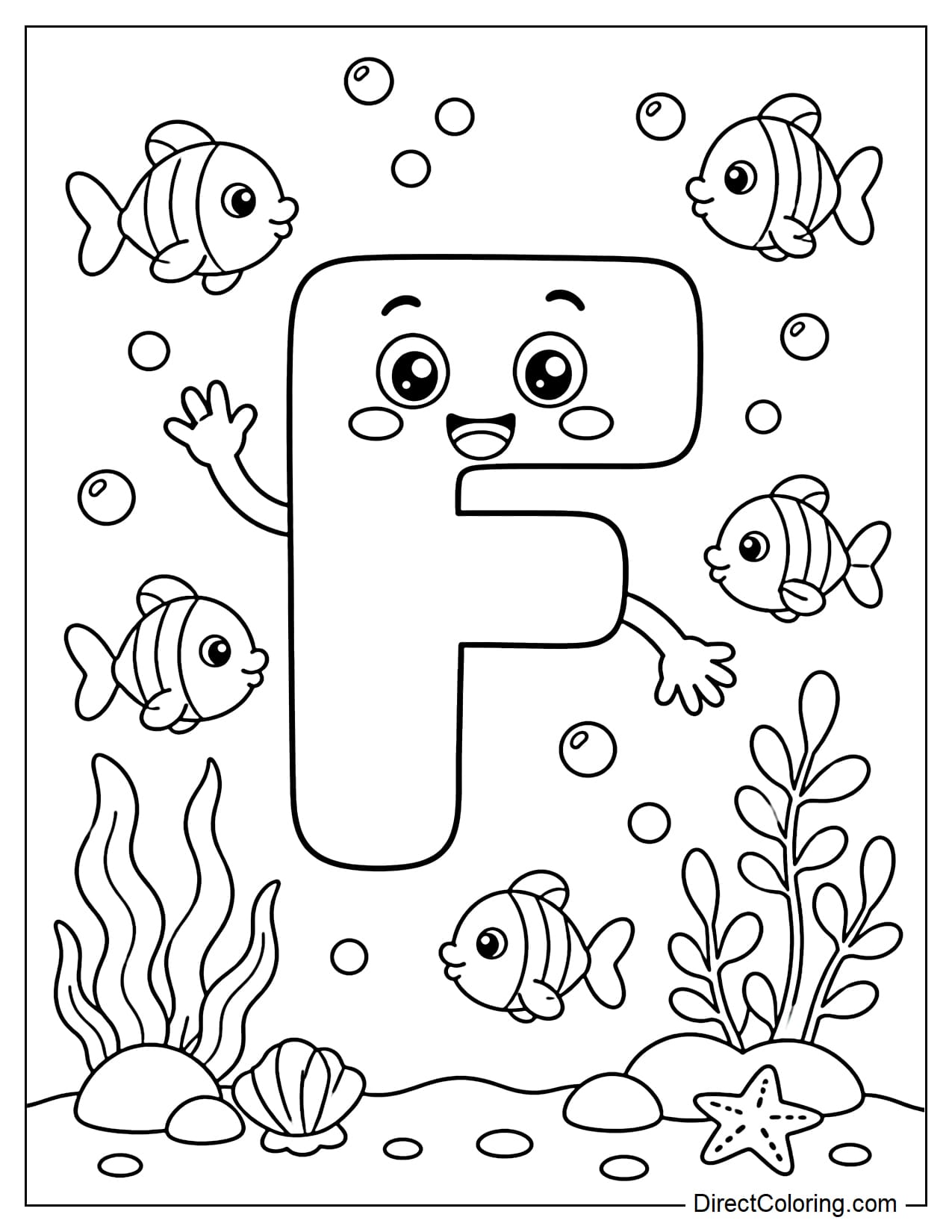
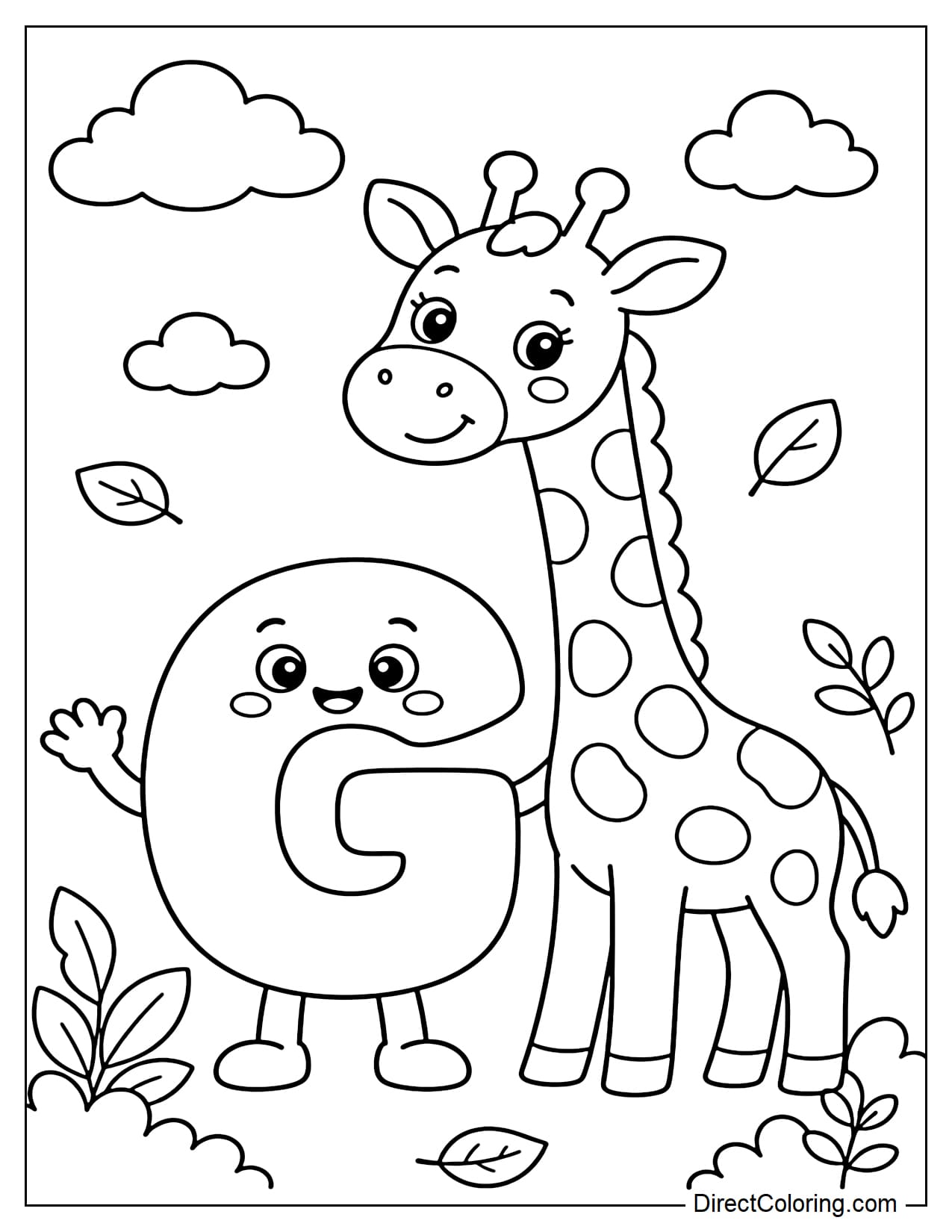
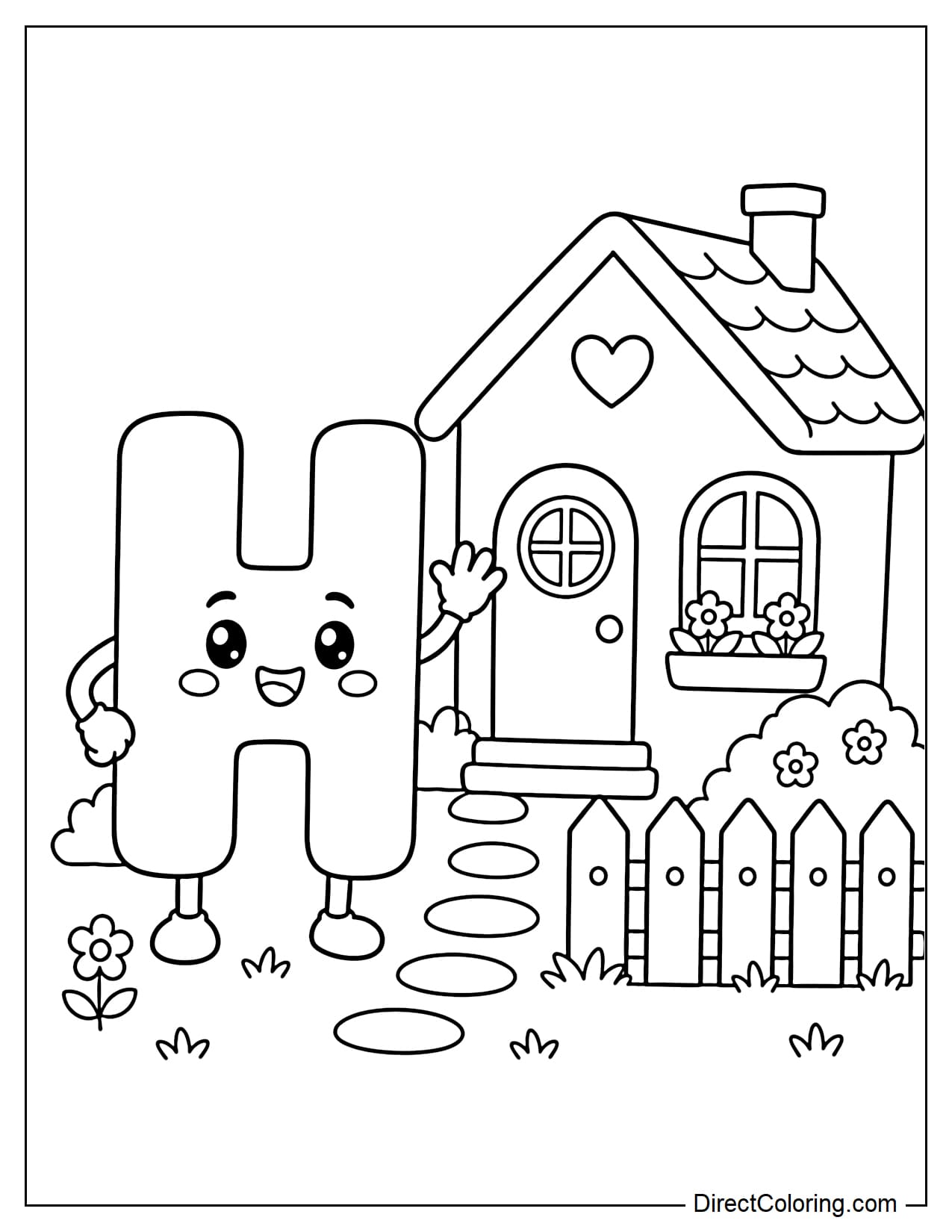
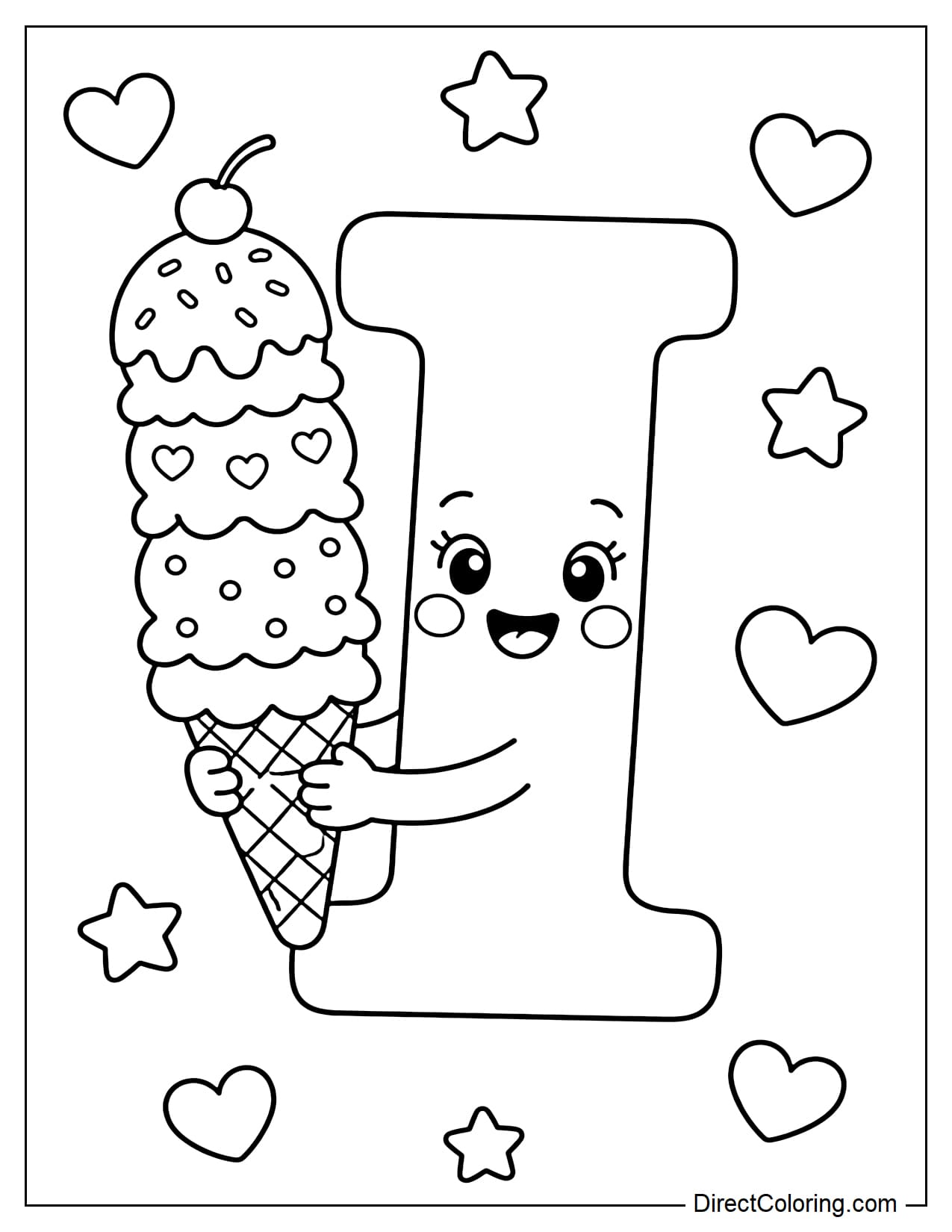
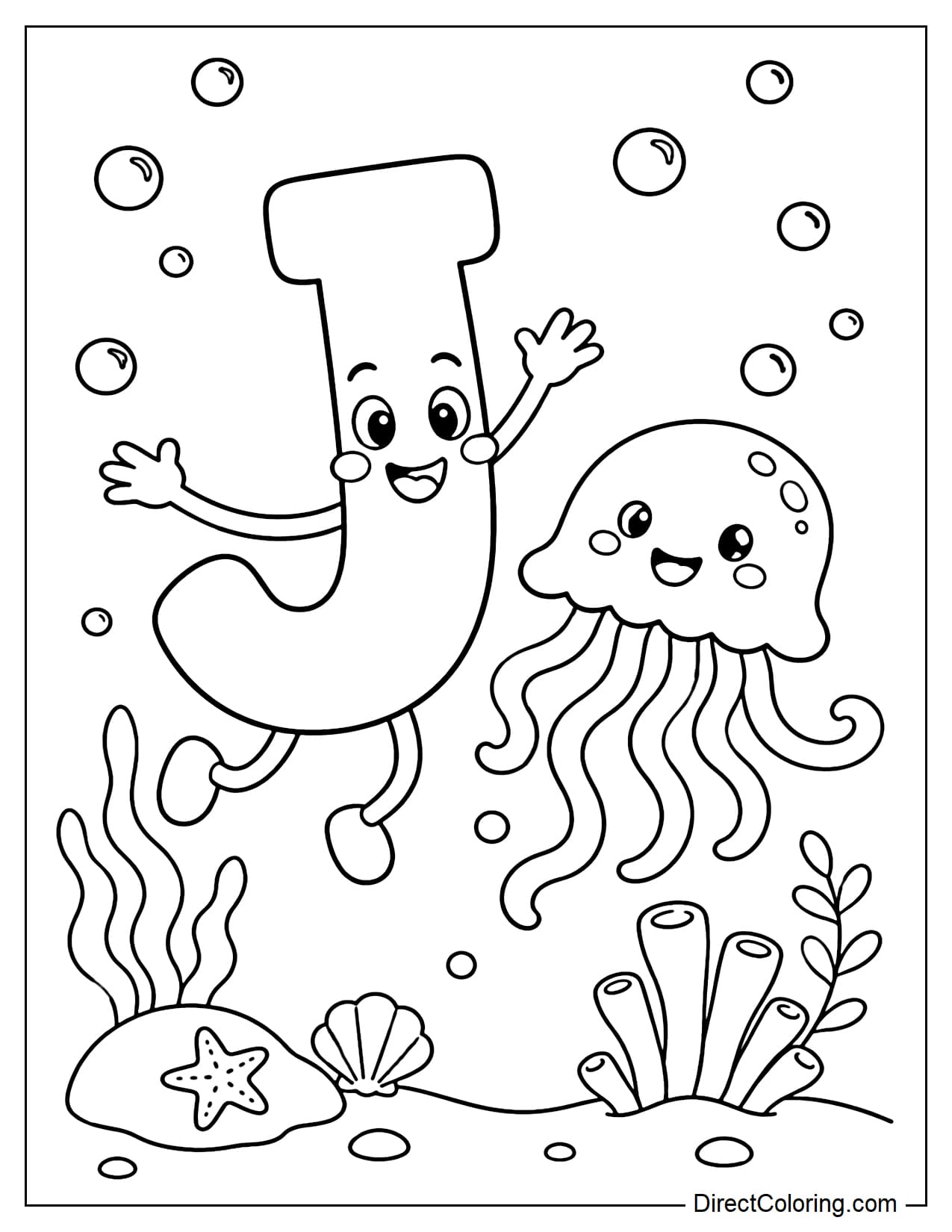
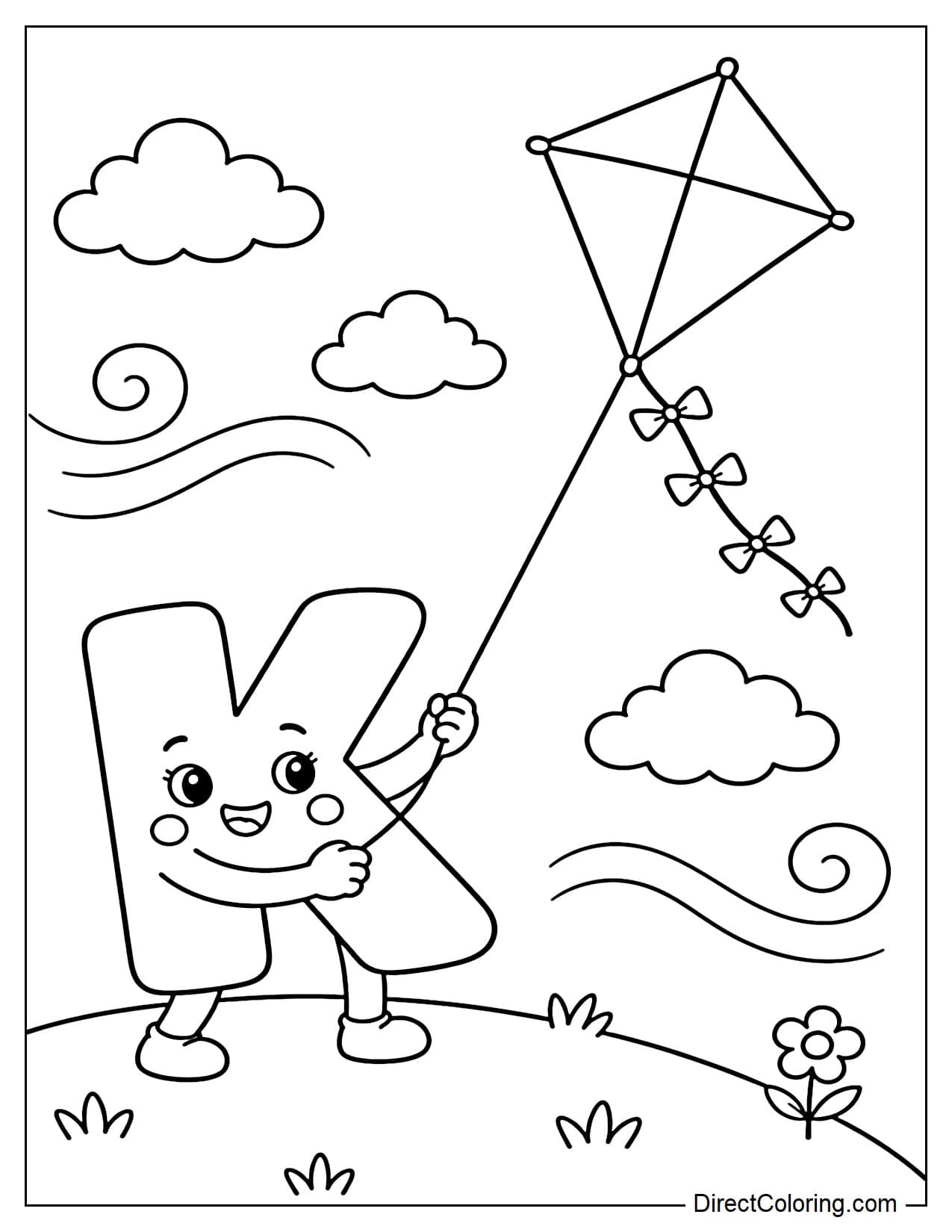
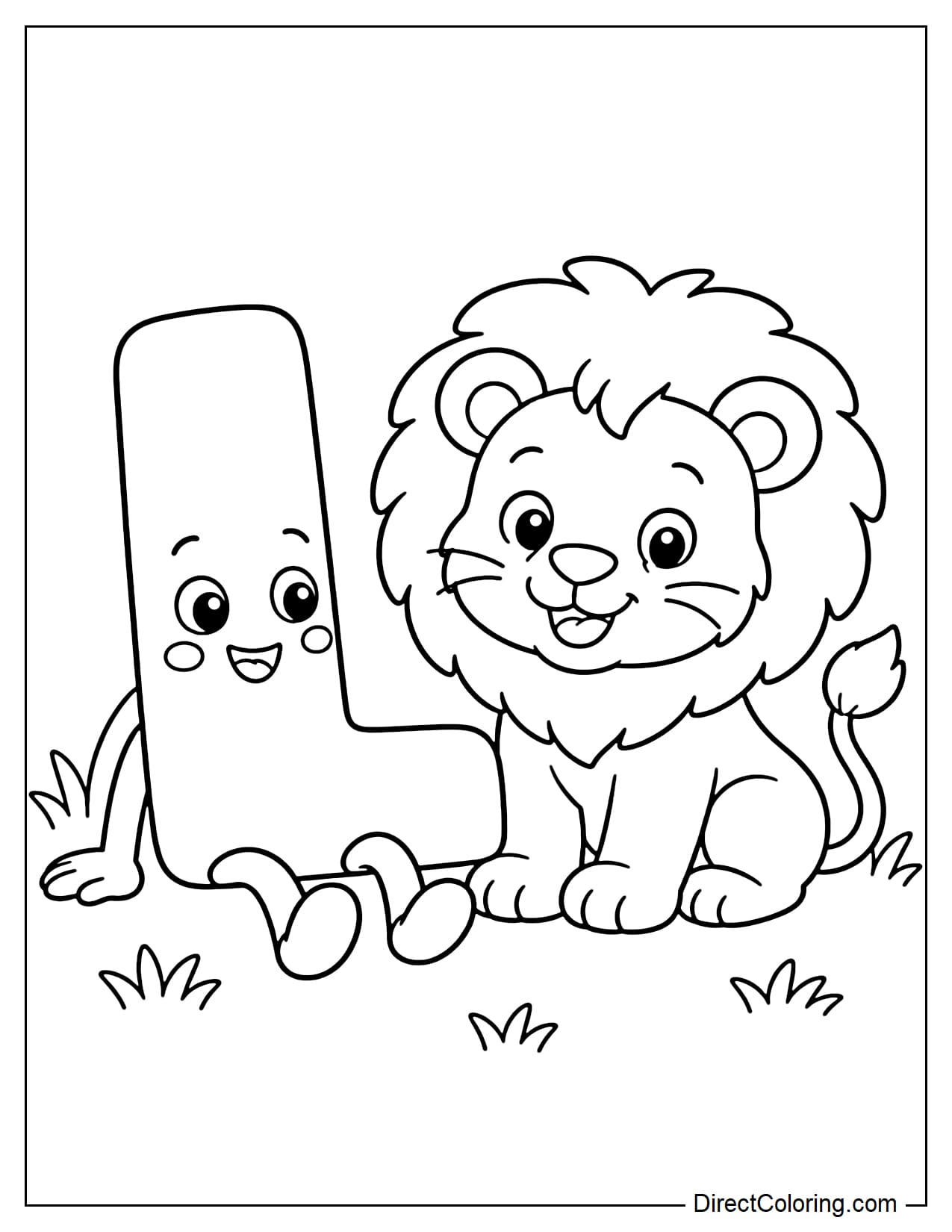
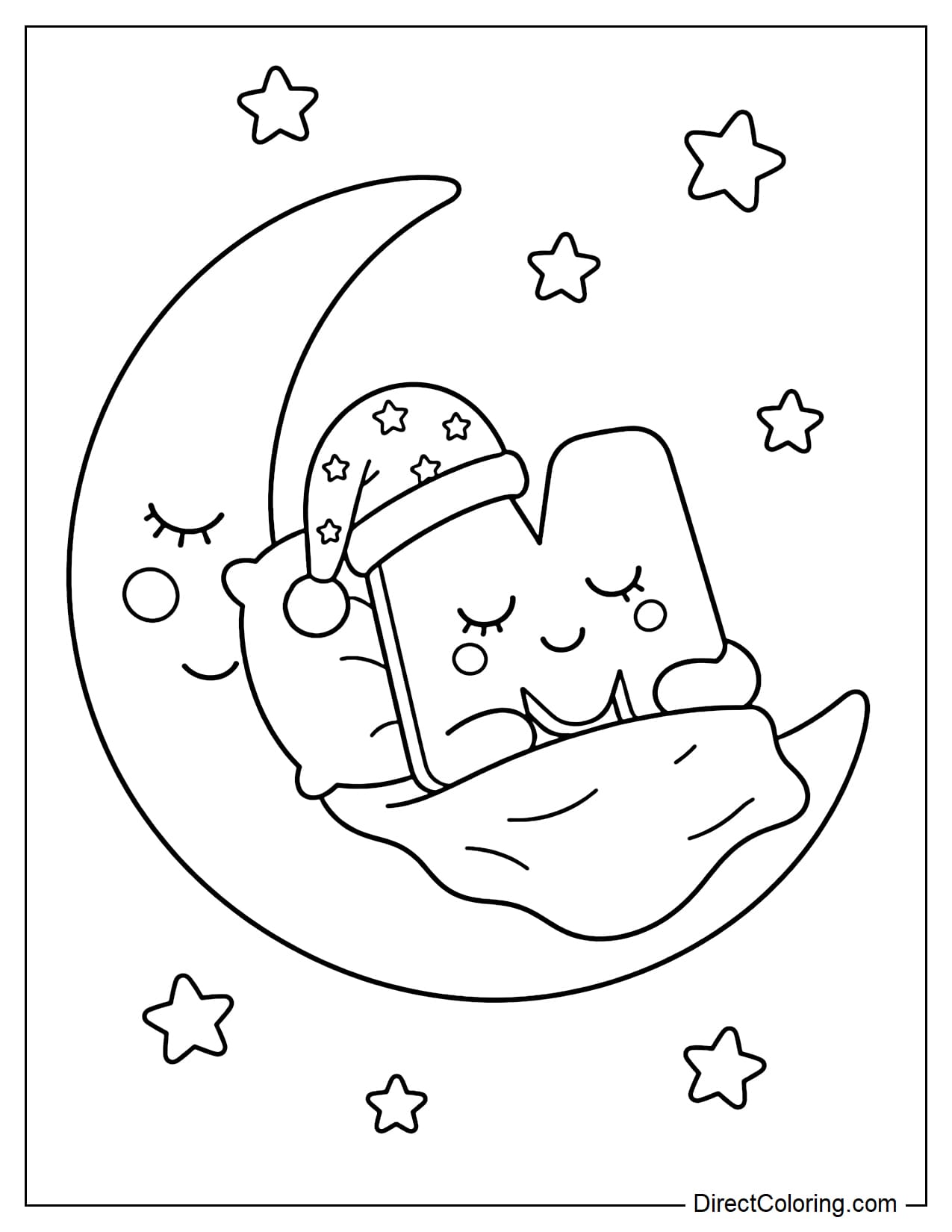
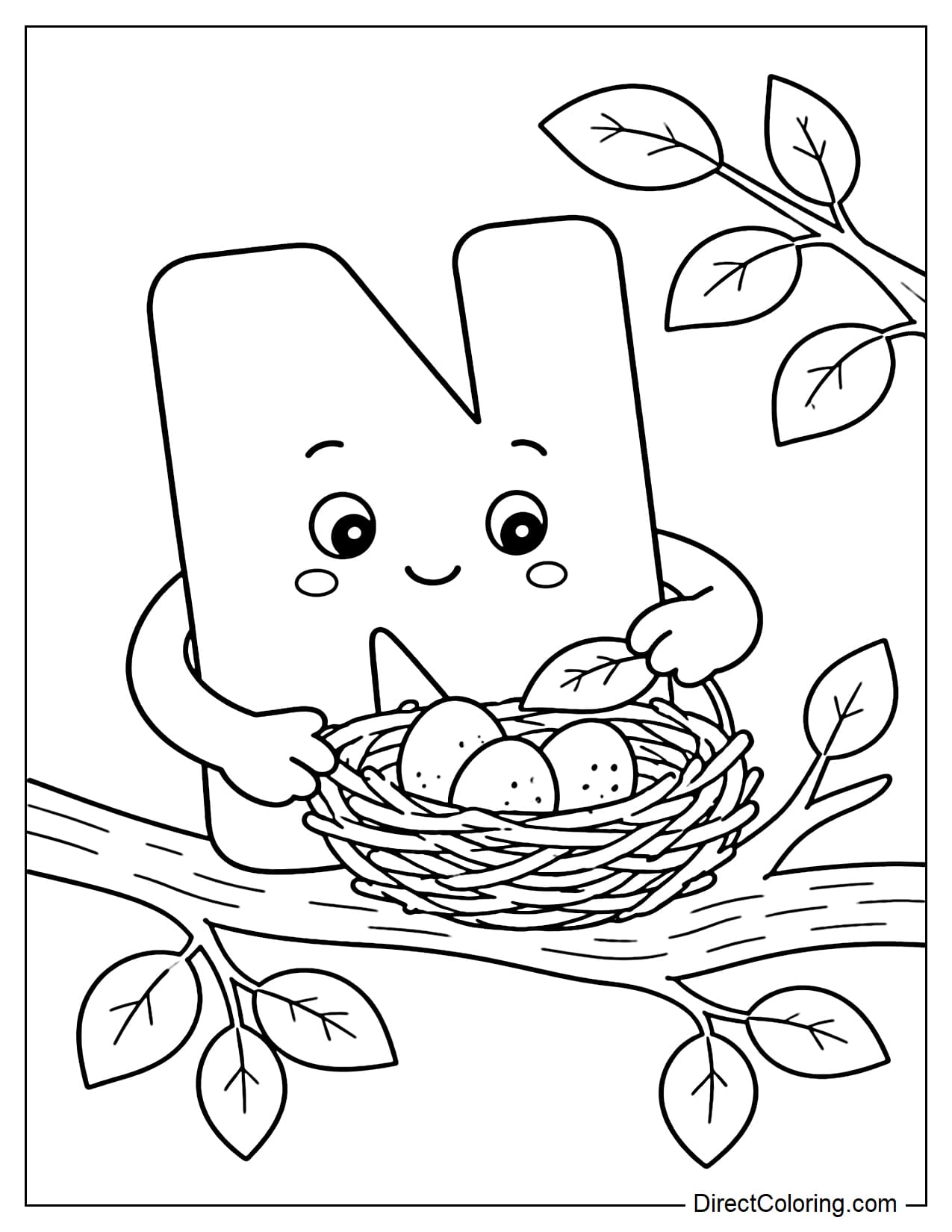
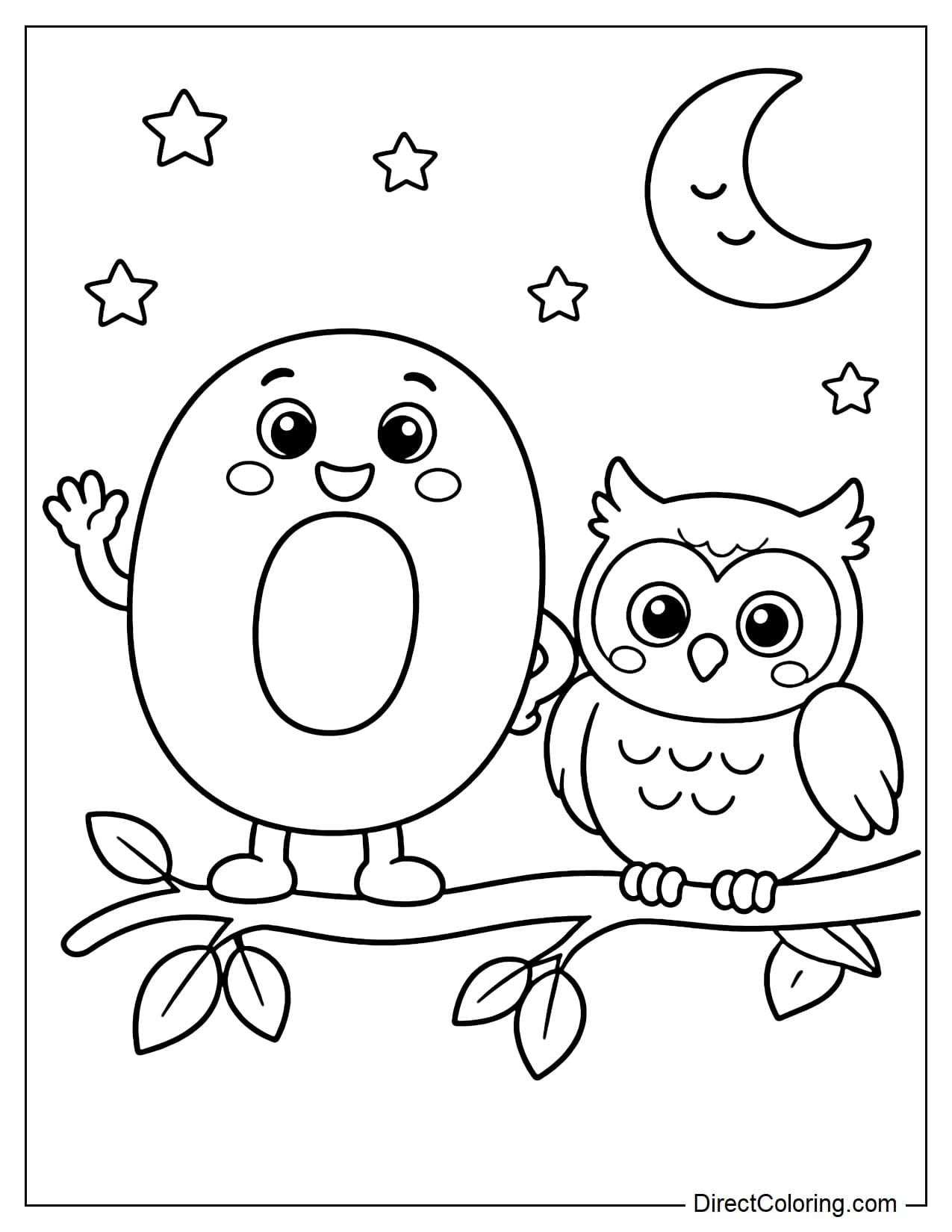
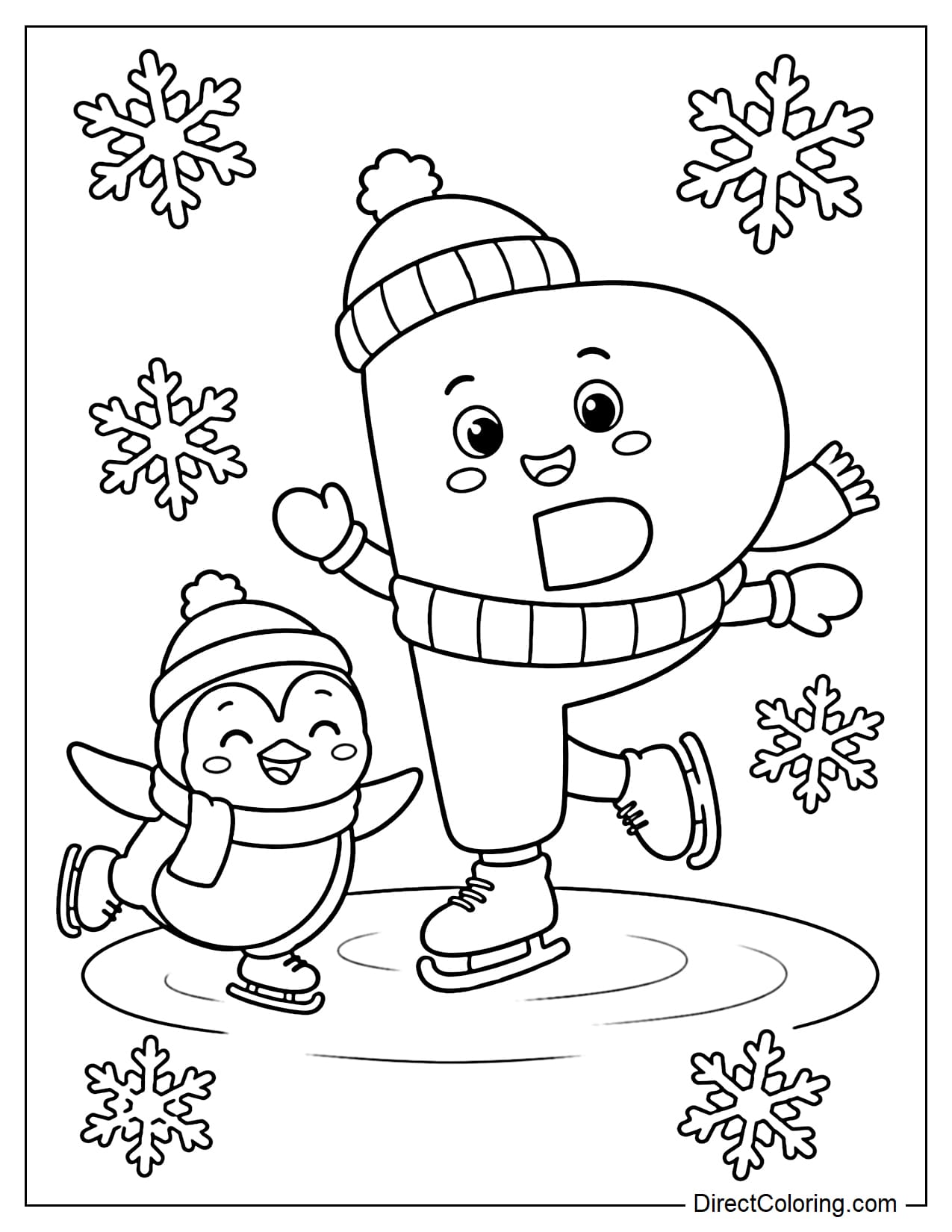
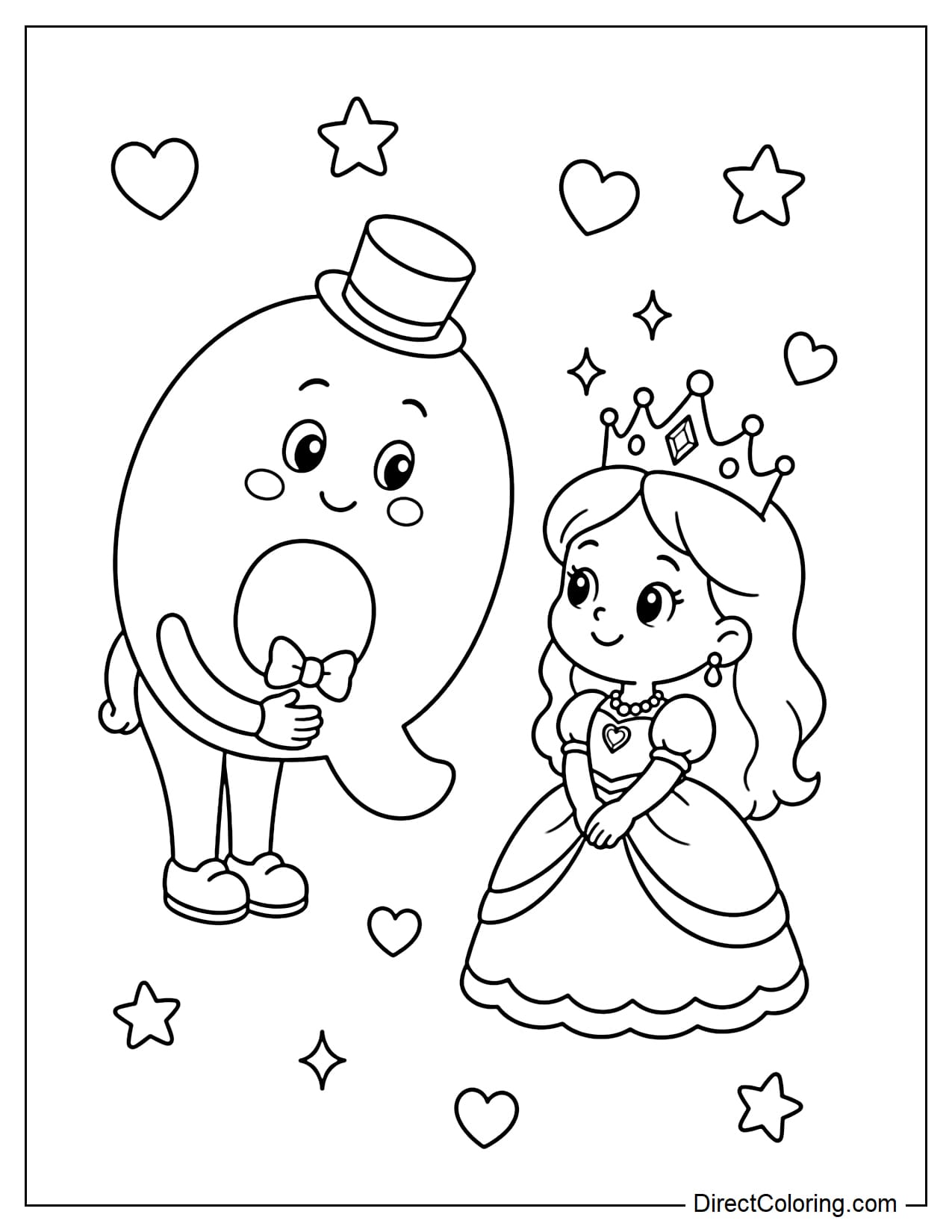
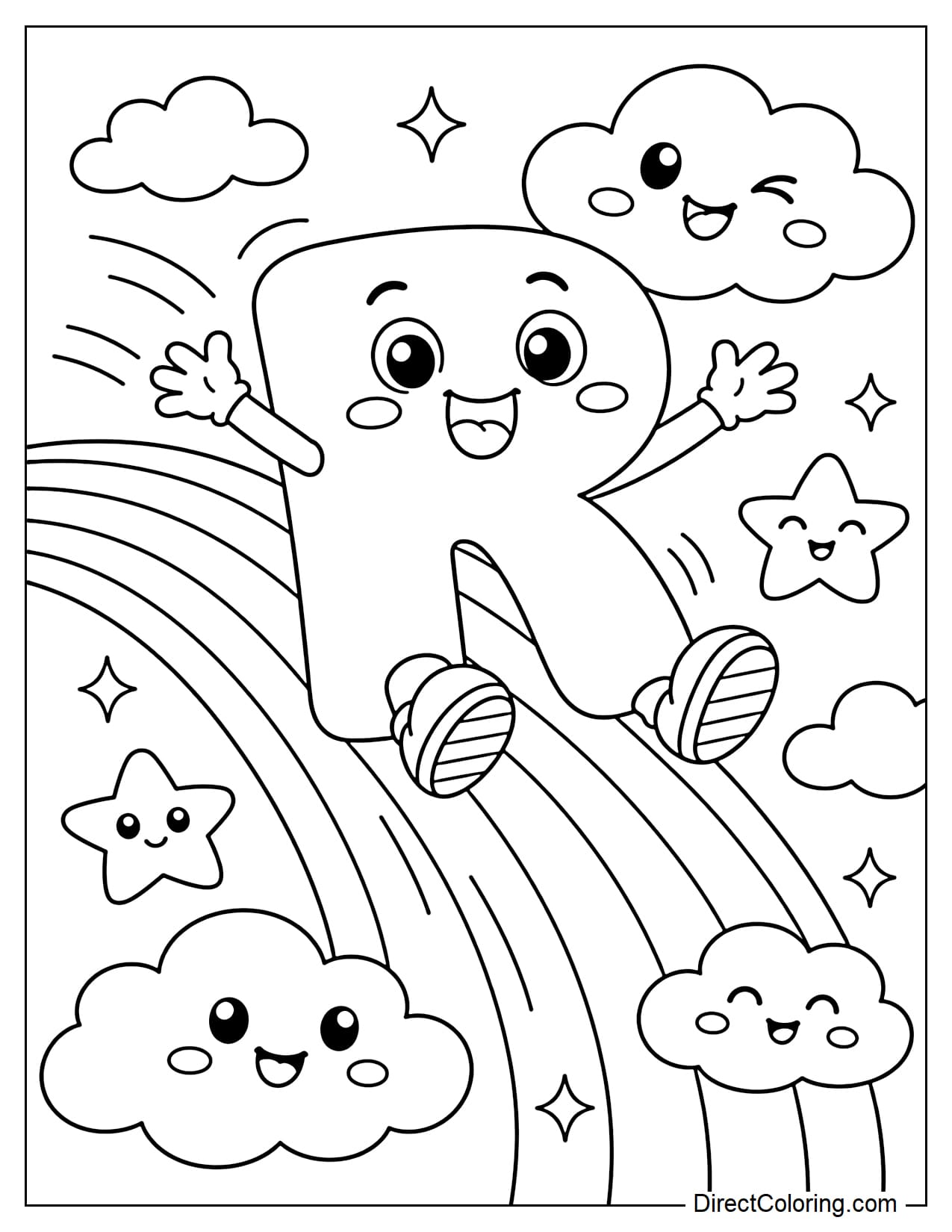
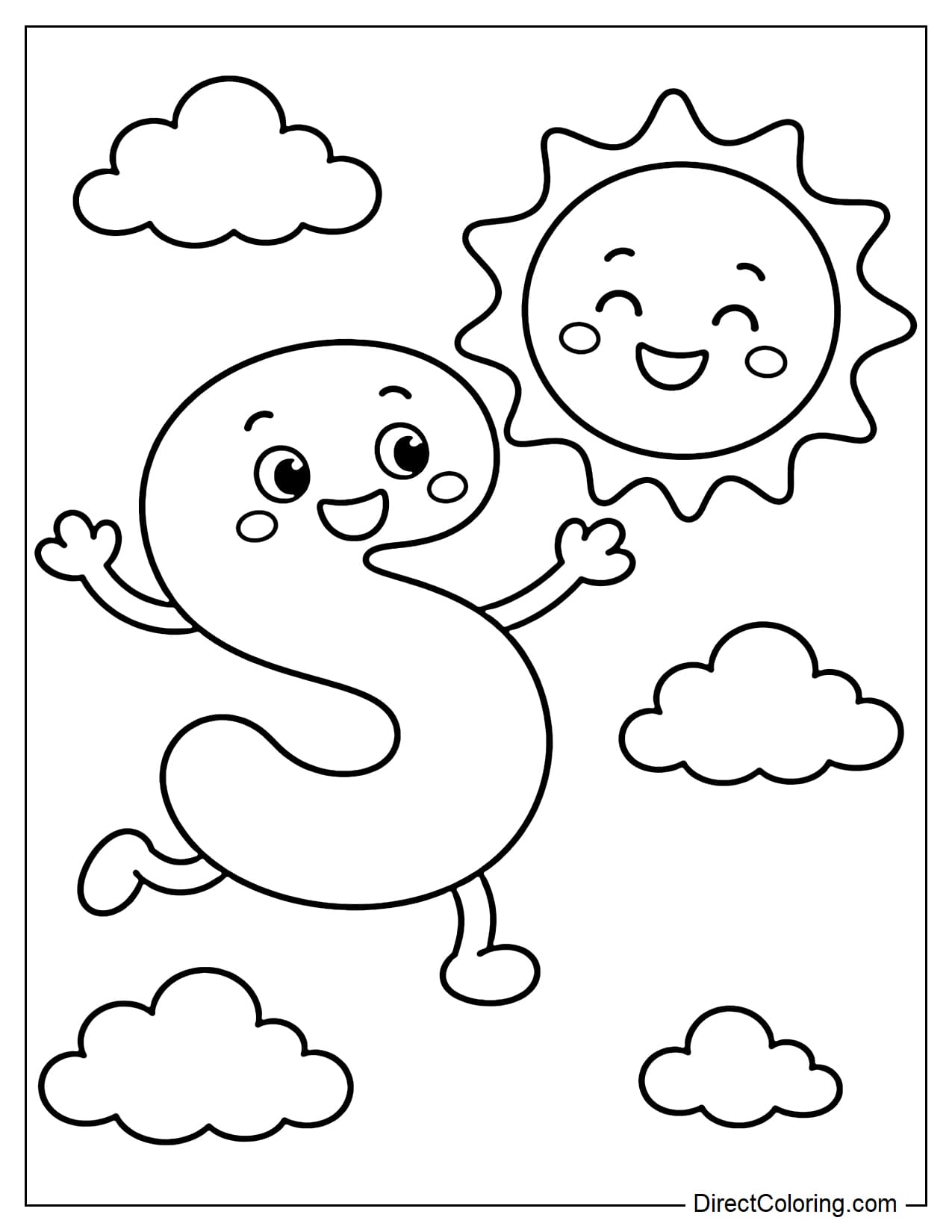
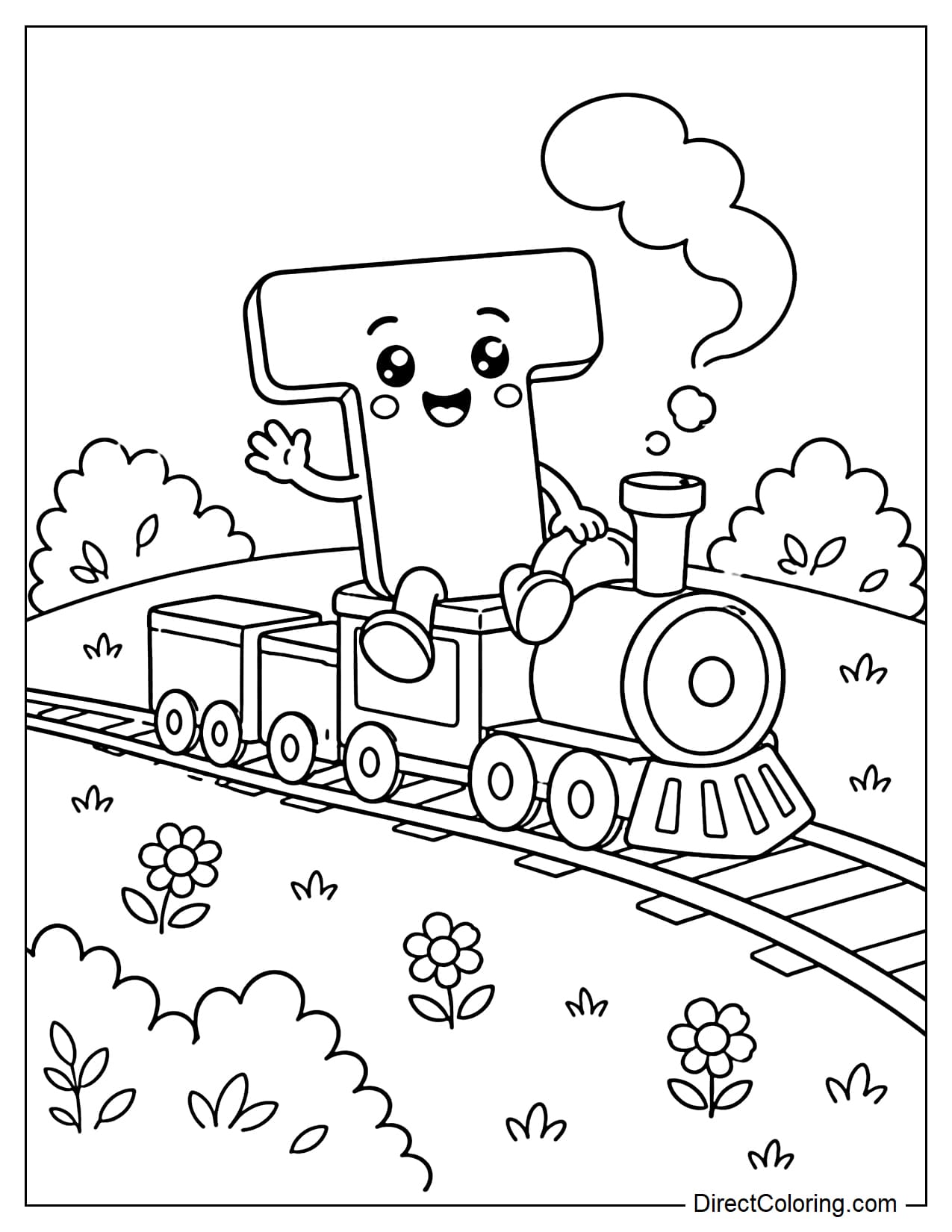
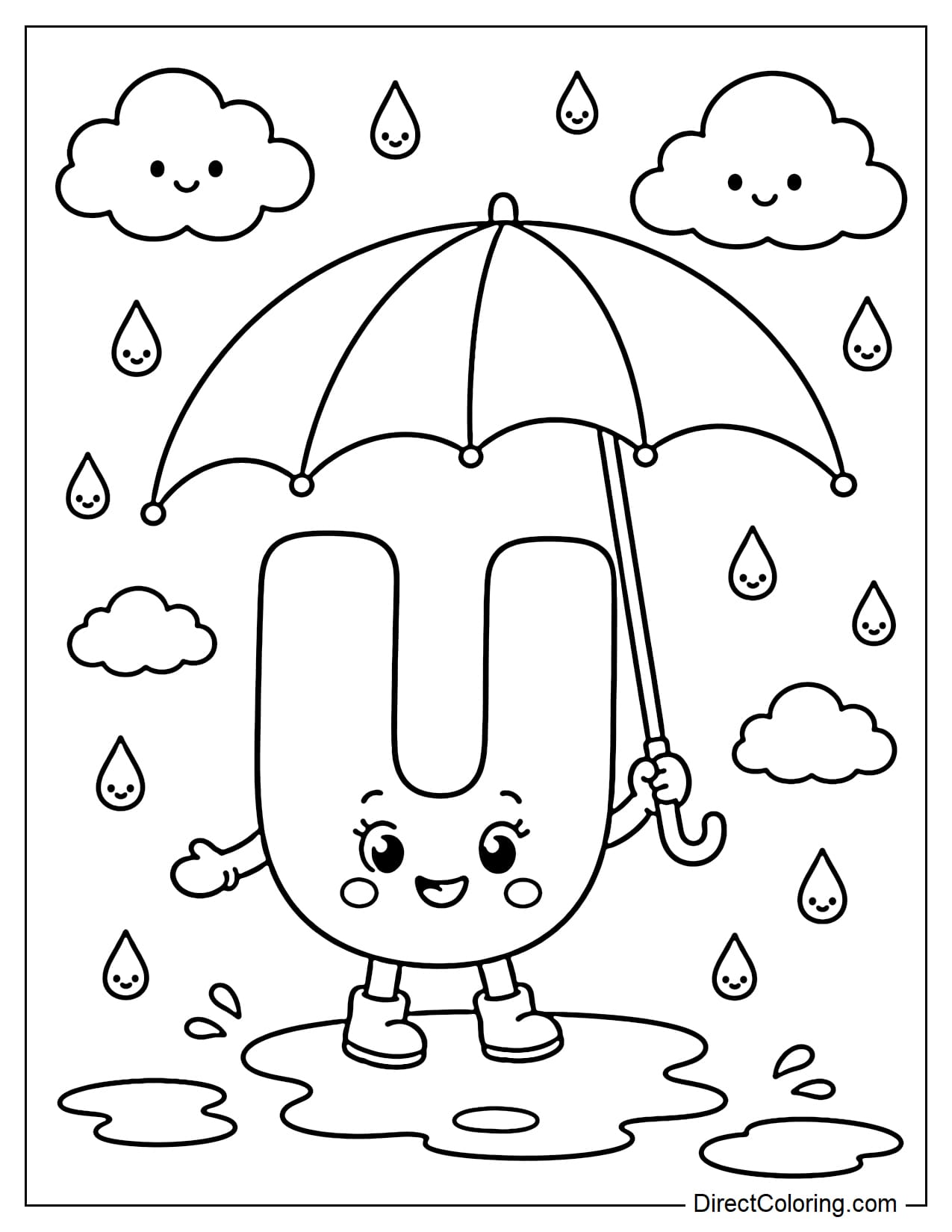
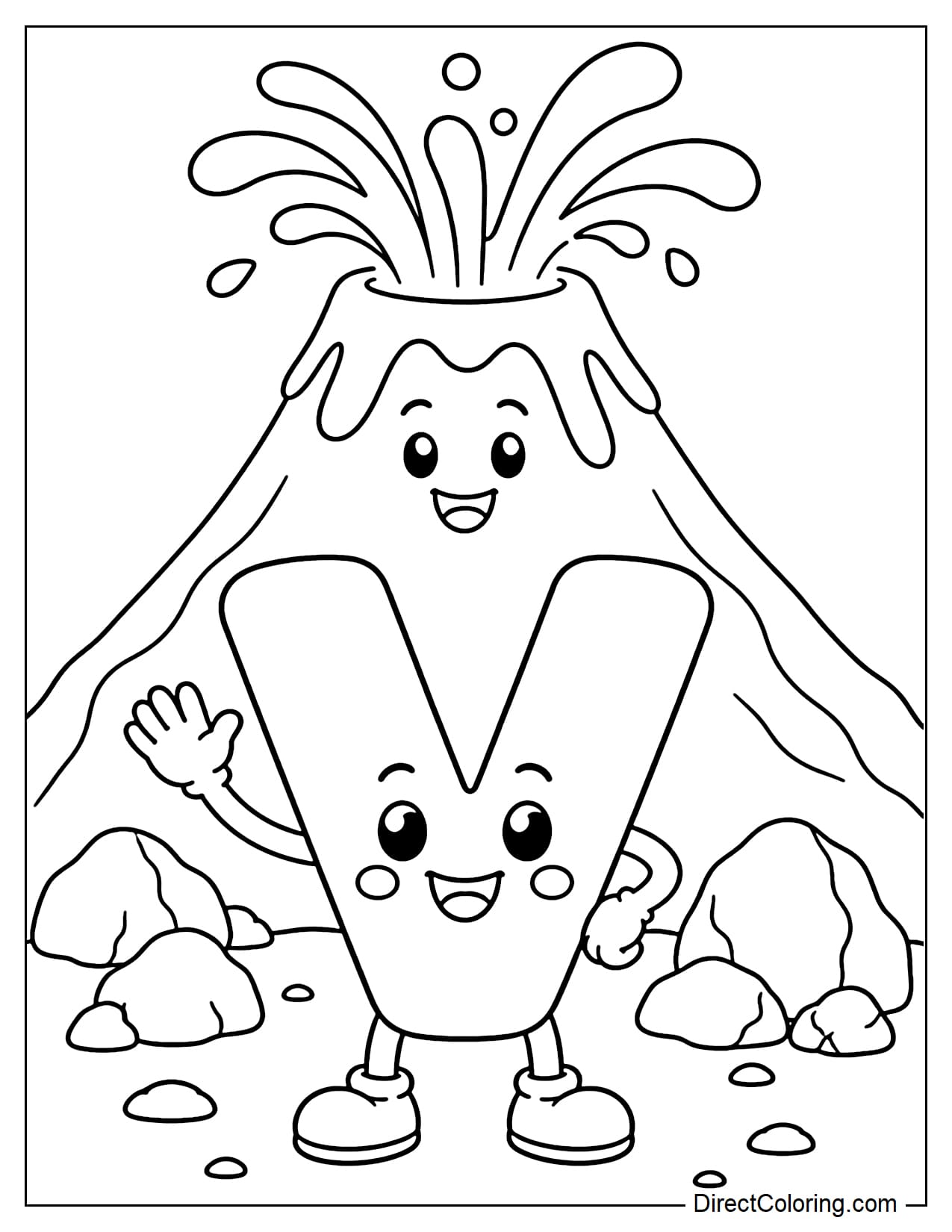
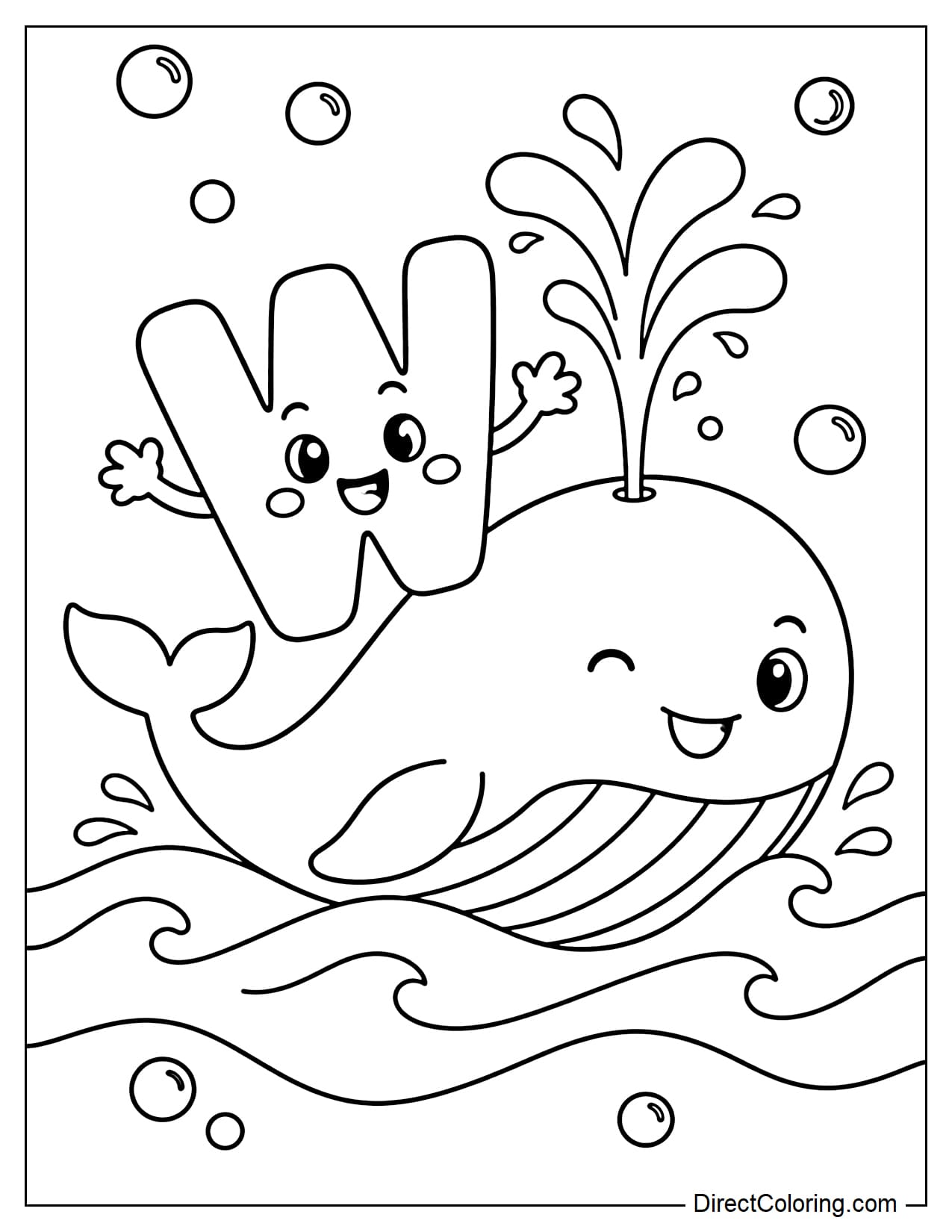
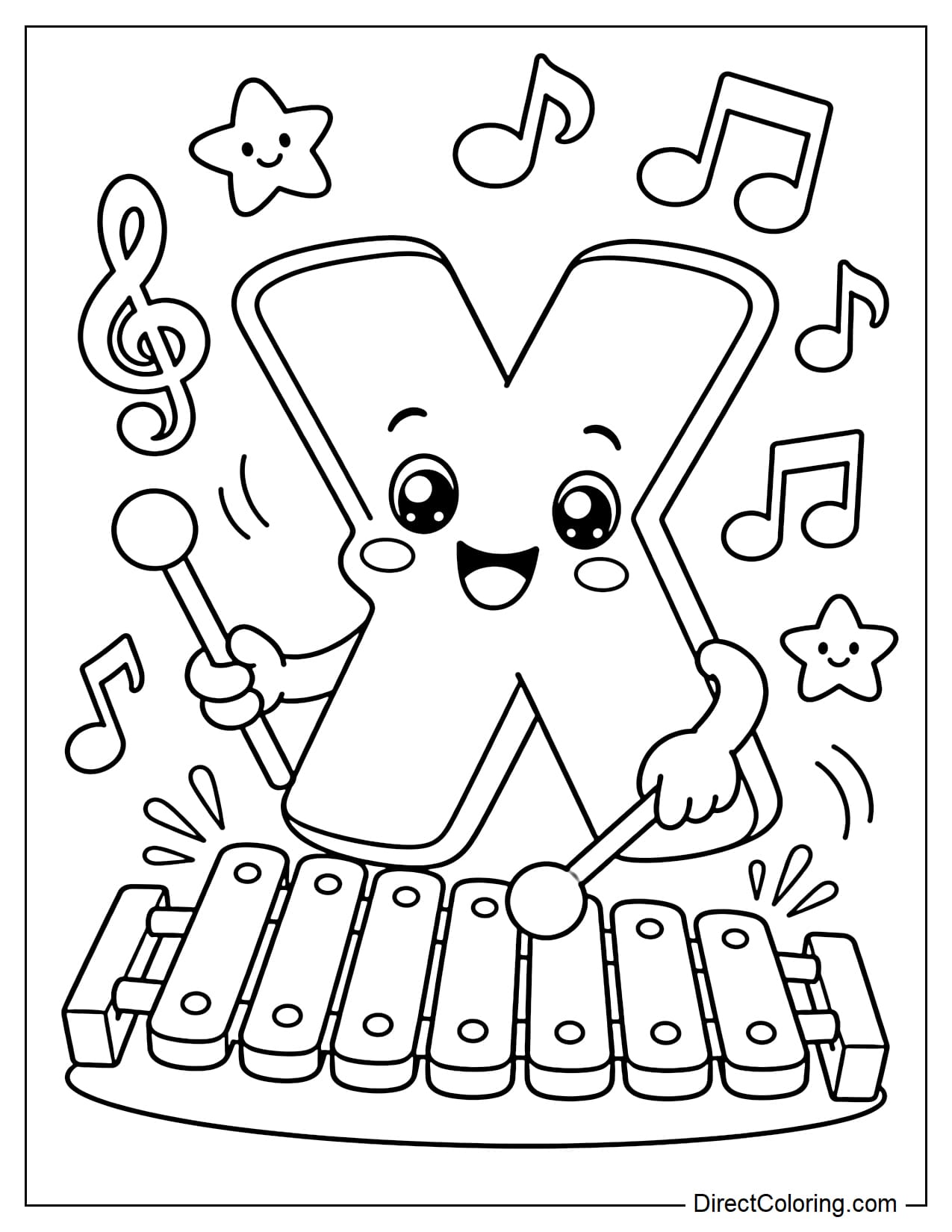
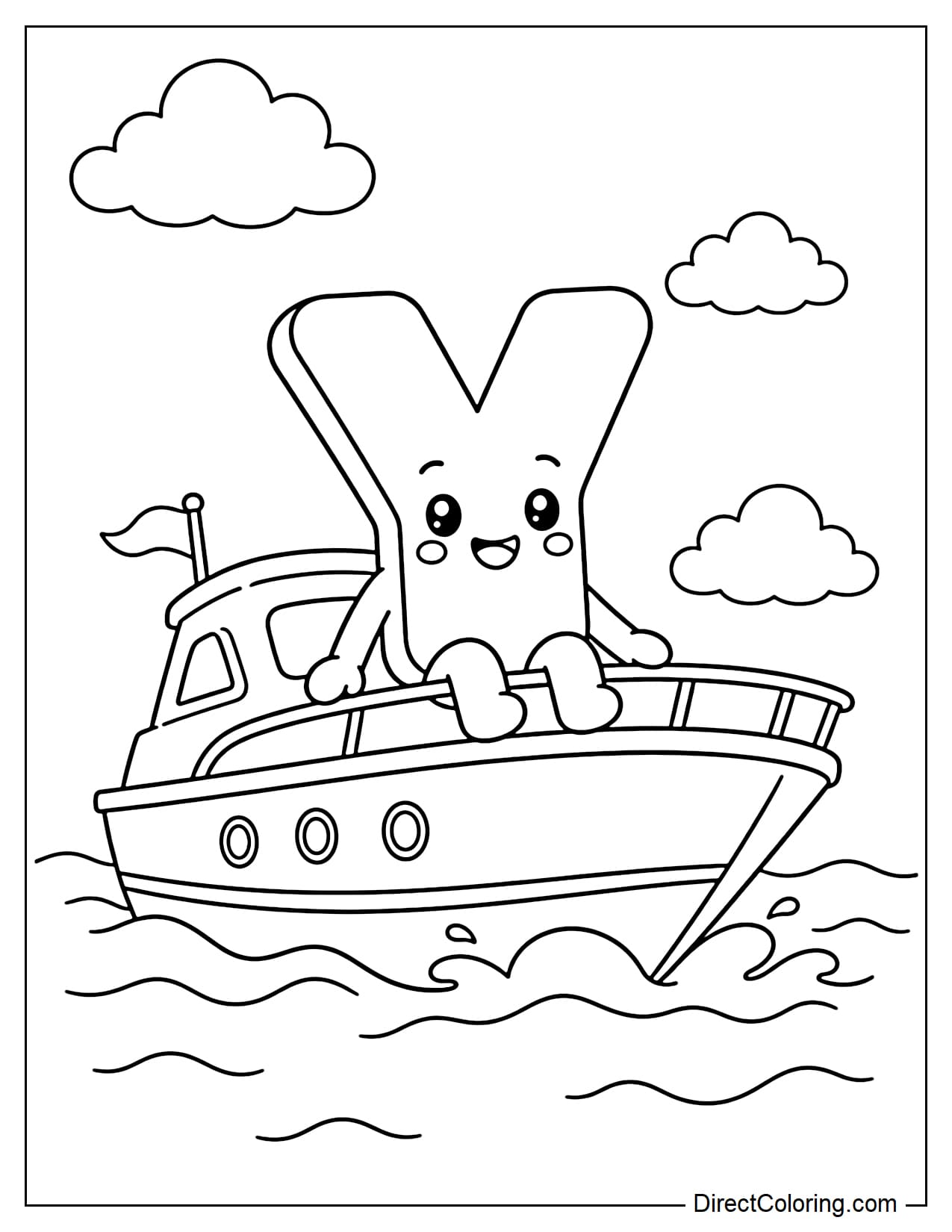
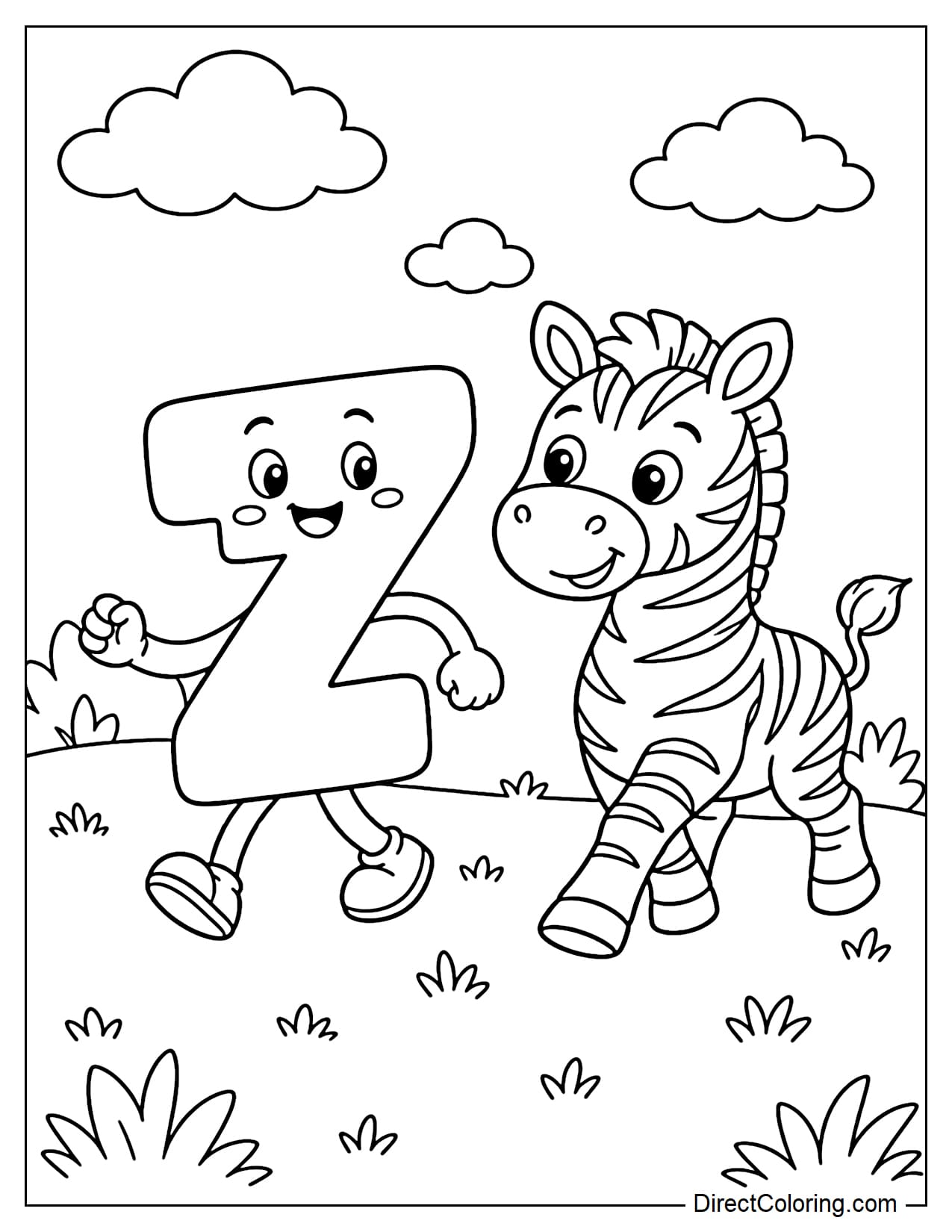
A-Z Letter Coloring Pages
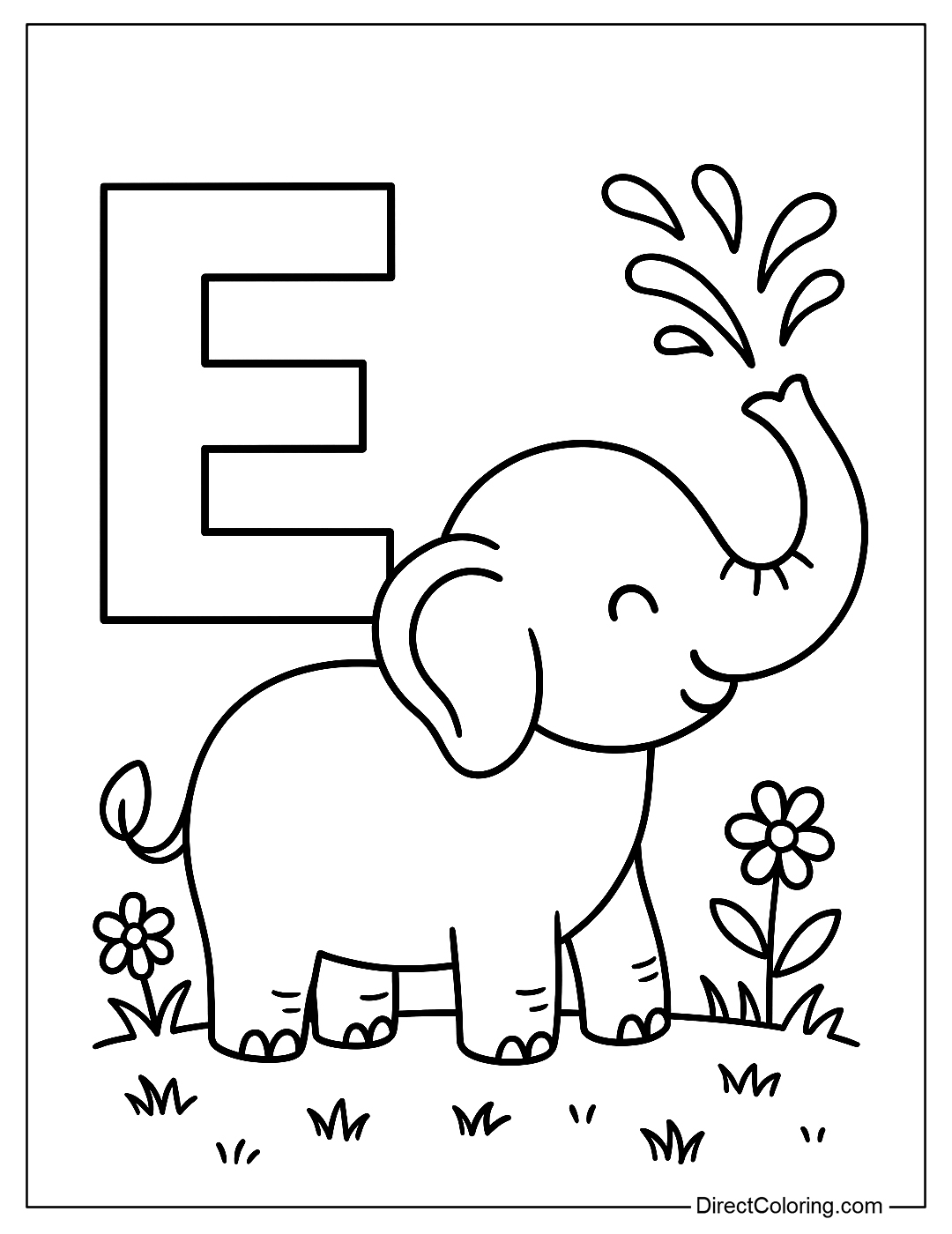
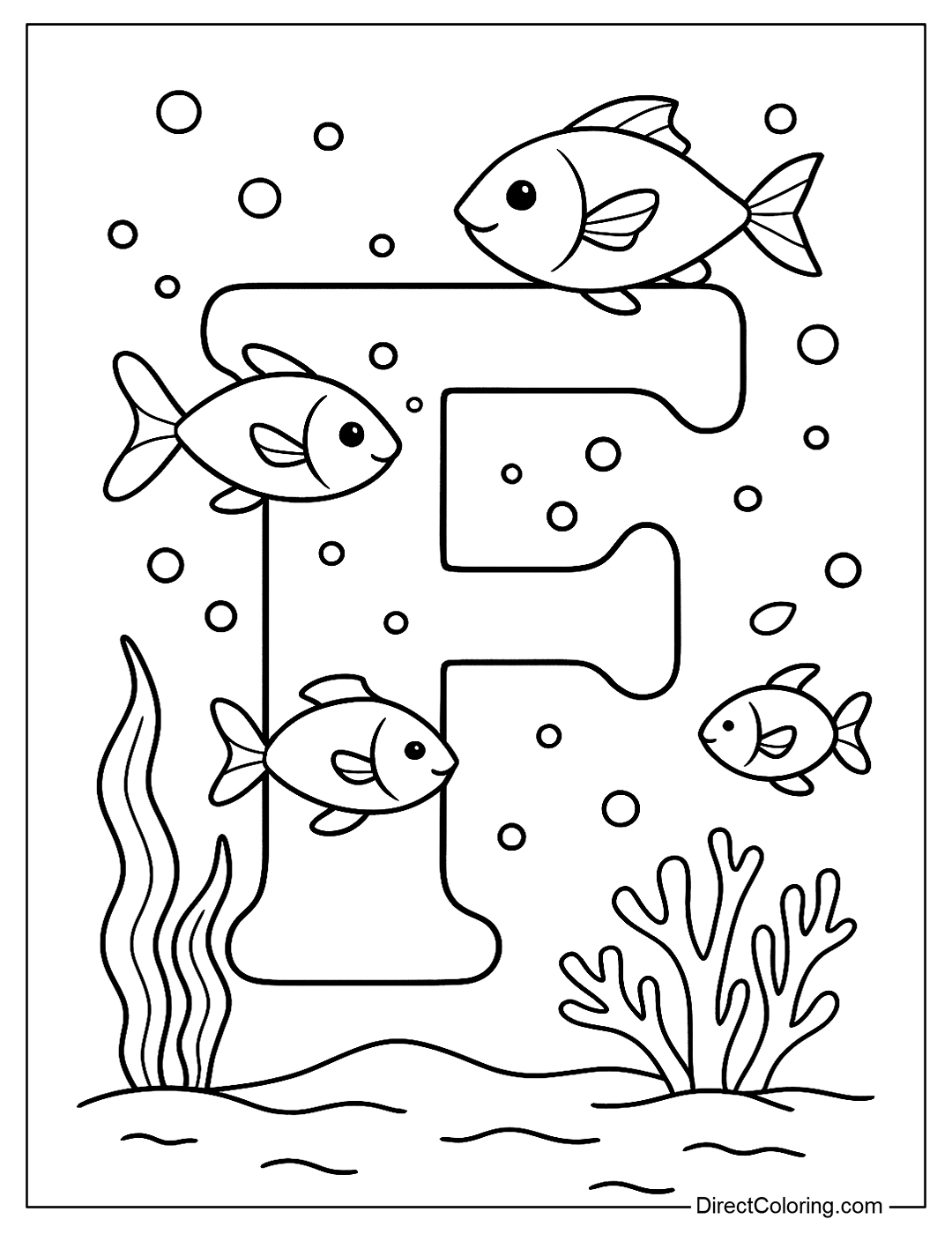
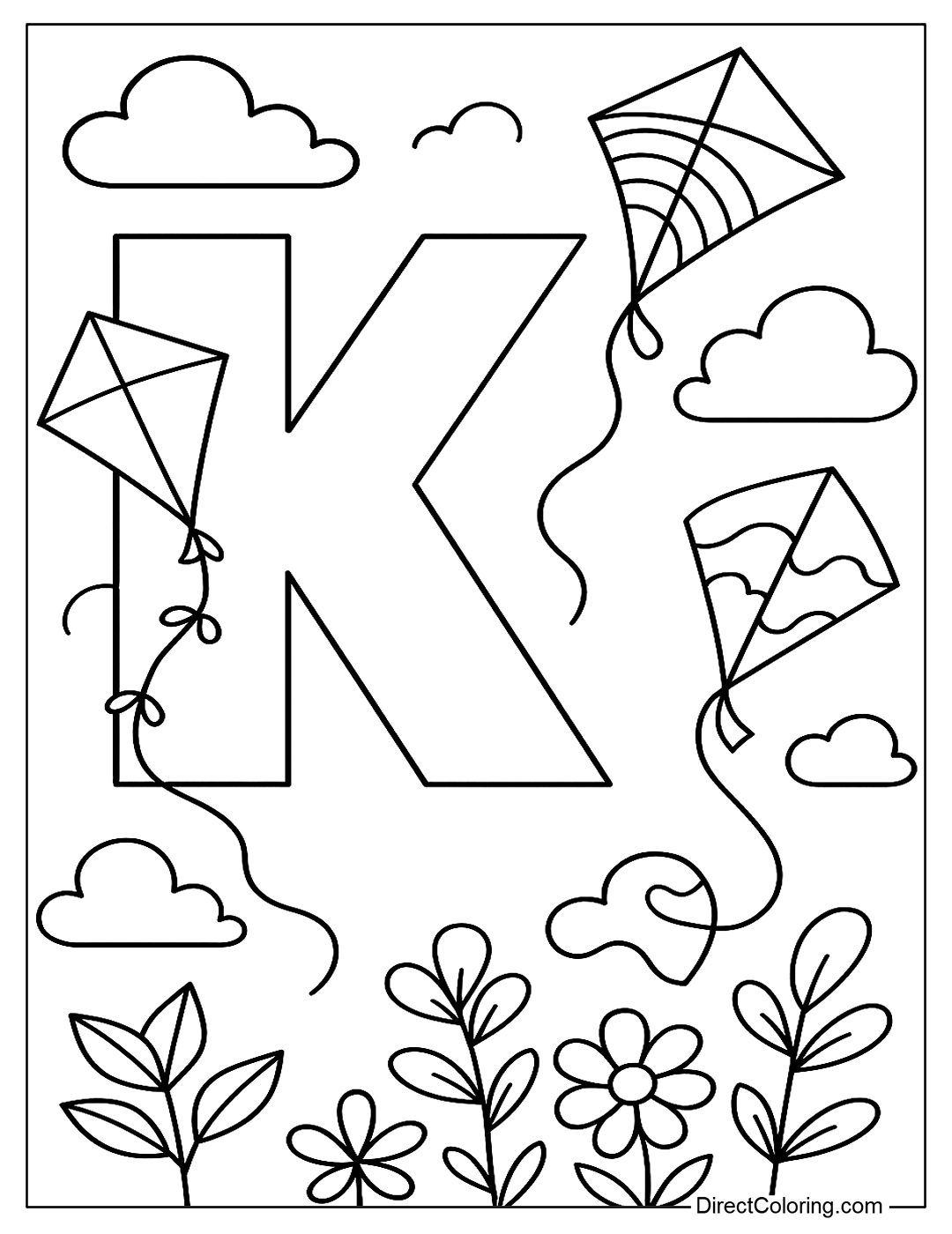
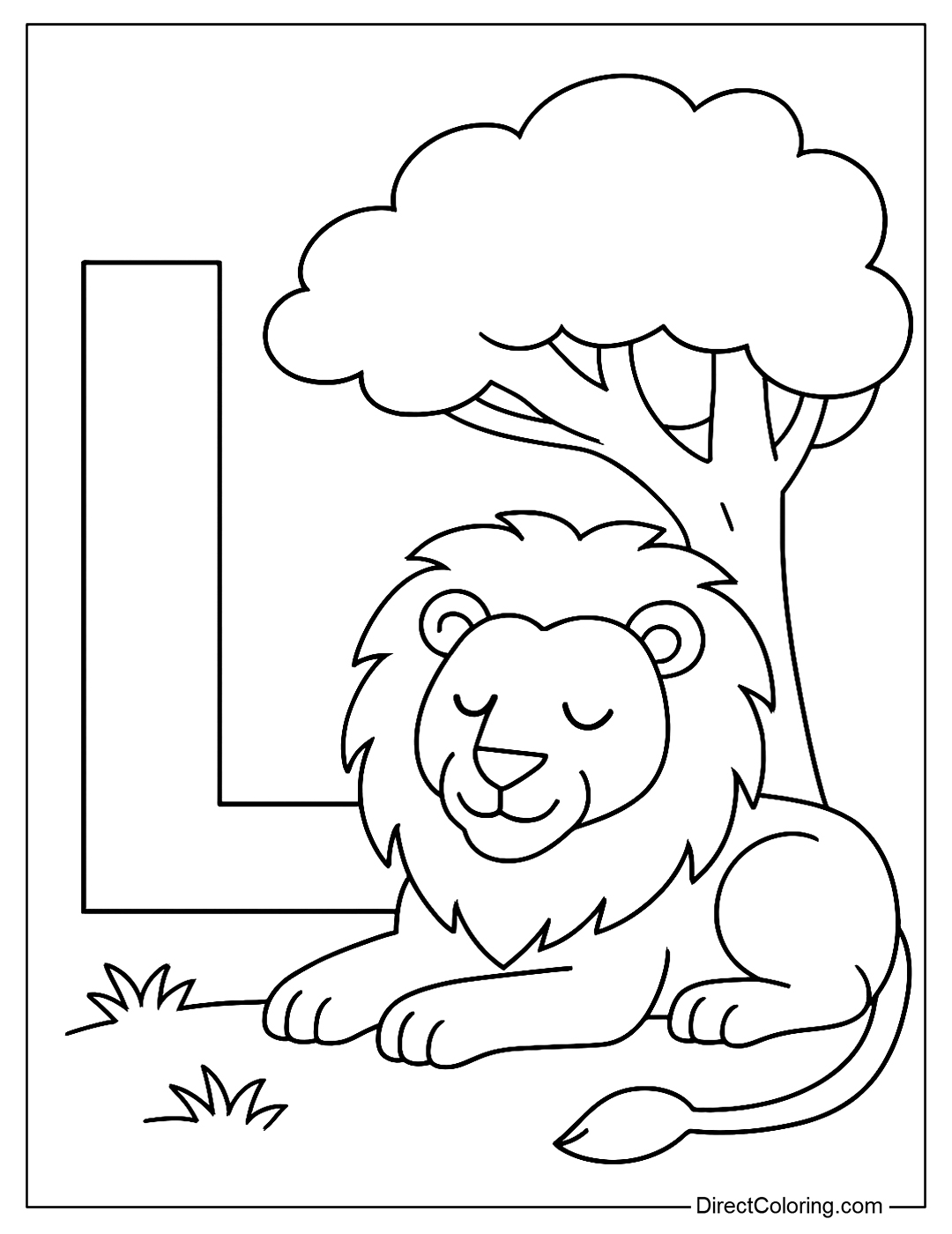
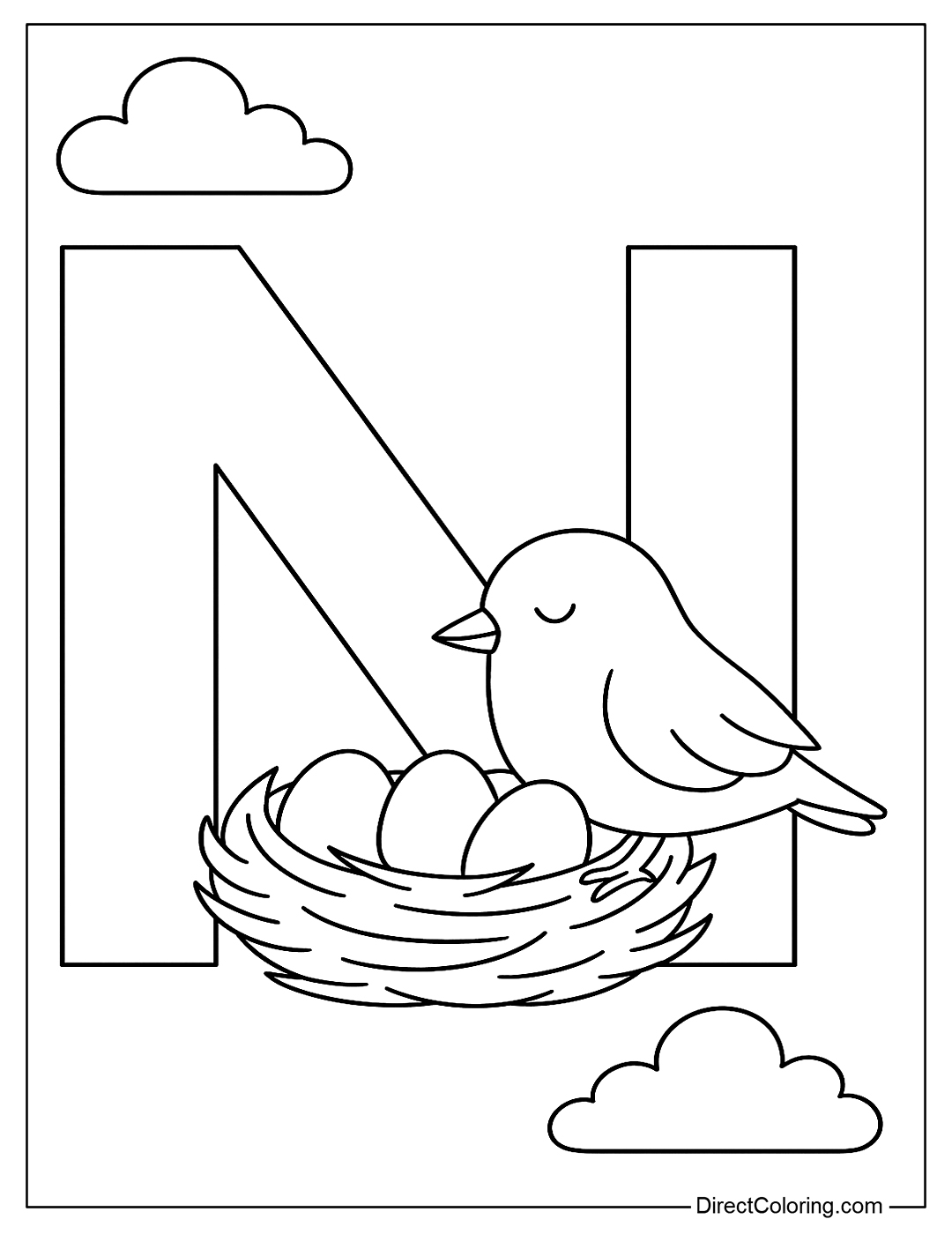
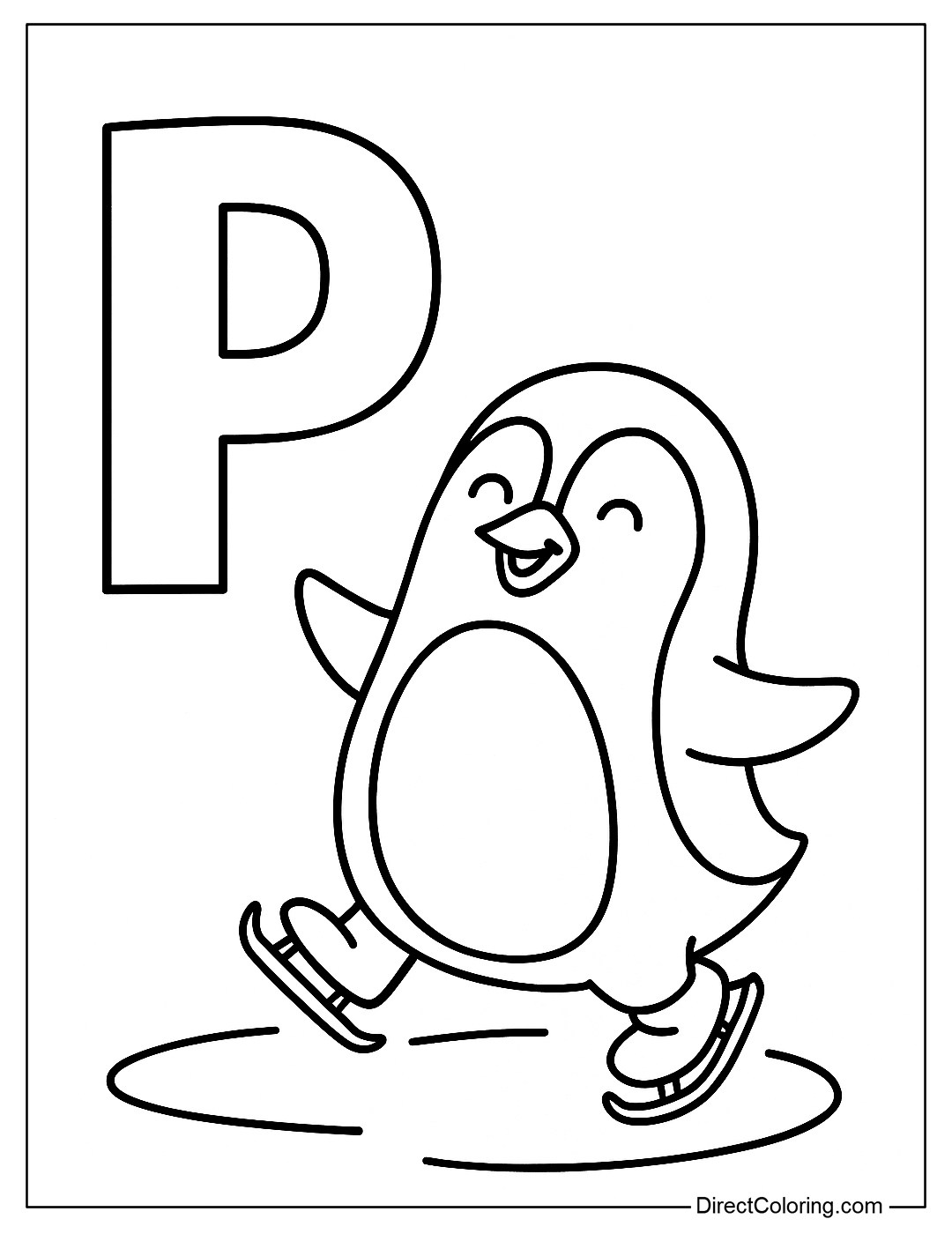
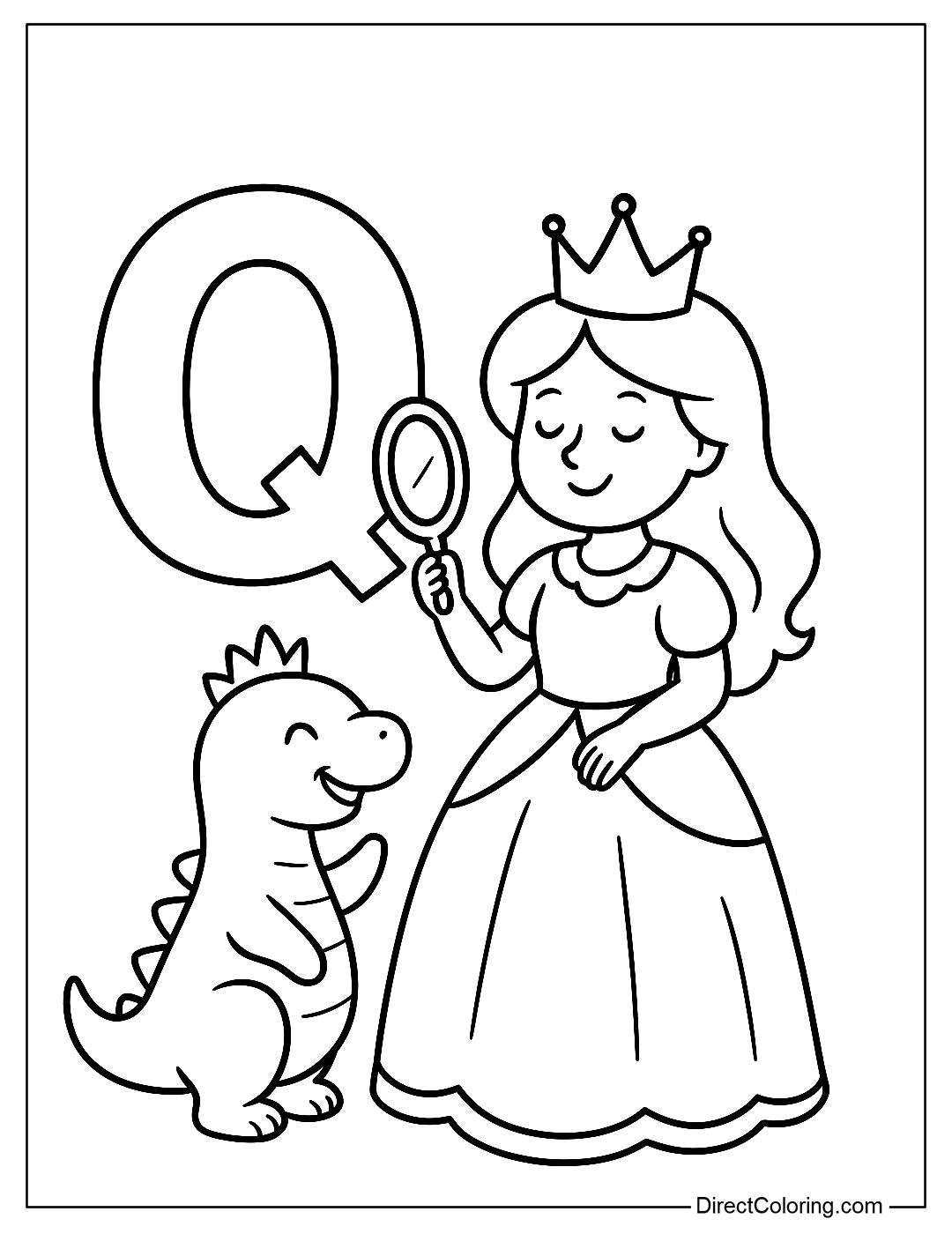
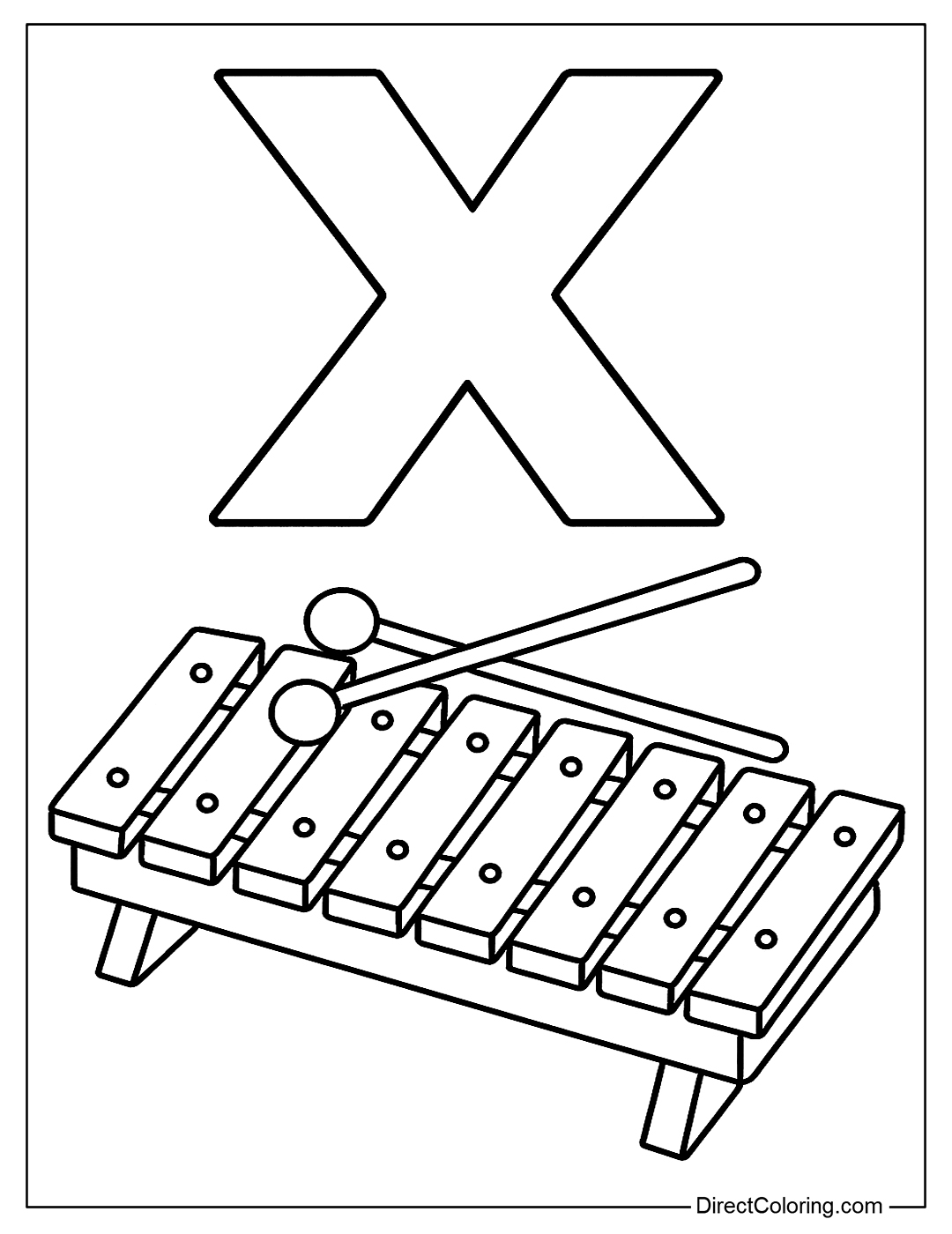
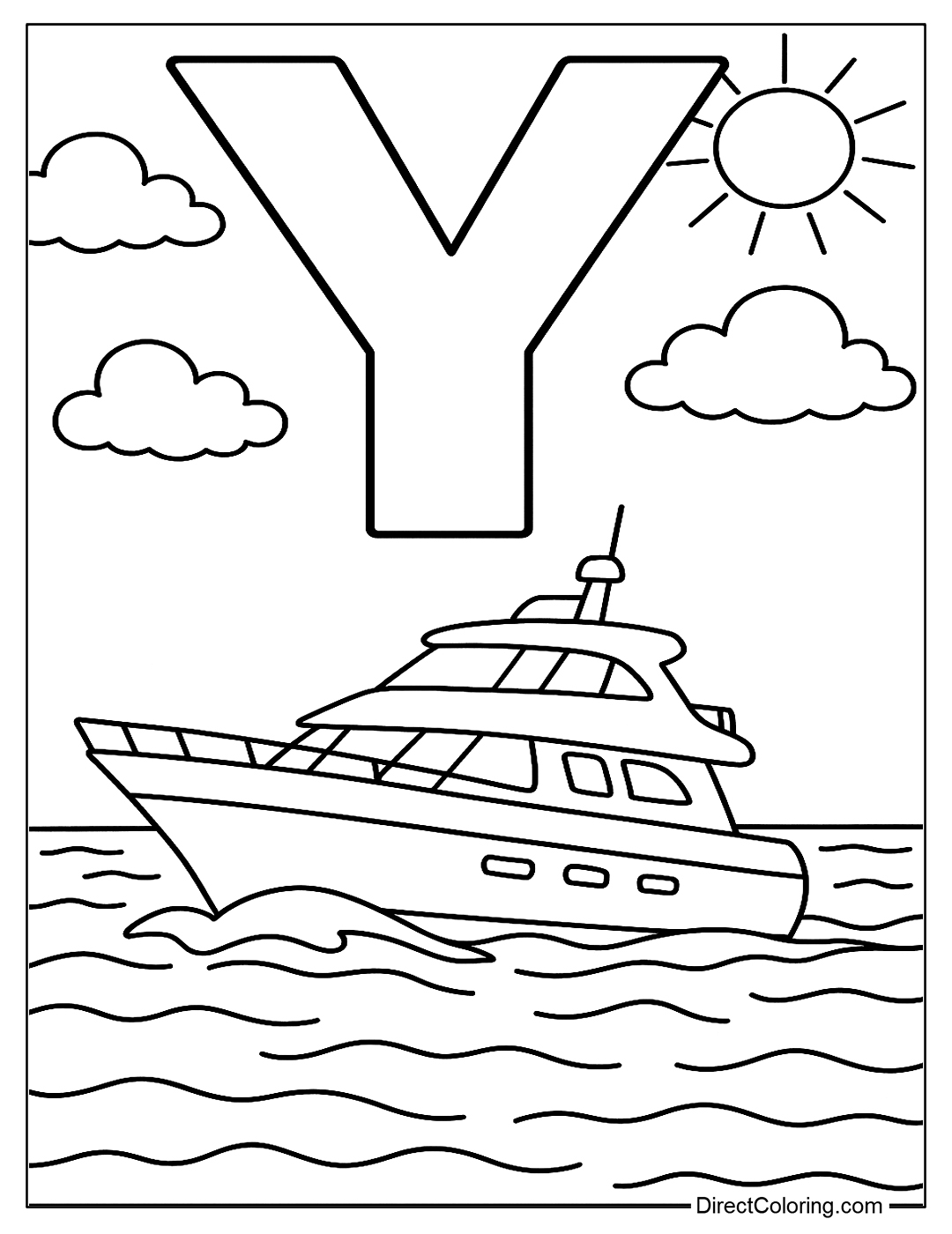
Explore printable A-Z Letter Coloring Pages, where each letter is paired with a fun and familiar word such as Apple, Cat, Elephant, Fish, Lion, and Zebra. These educational coloring sheets help preschool and kindergarten children learn letter recognition, build vocabulary, and develop creativity while enjoying simple, kid-friendly illustrations.
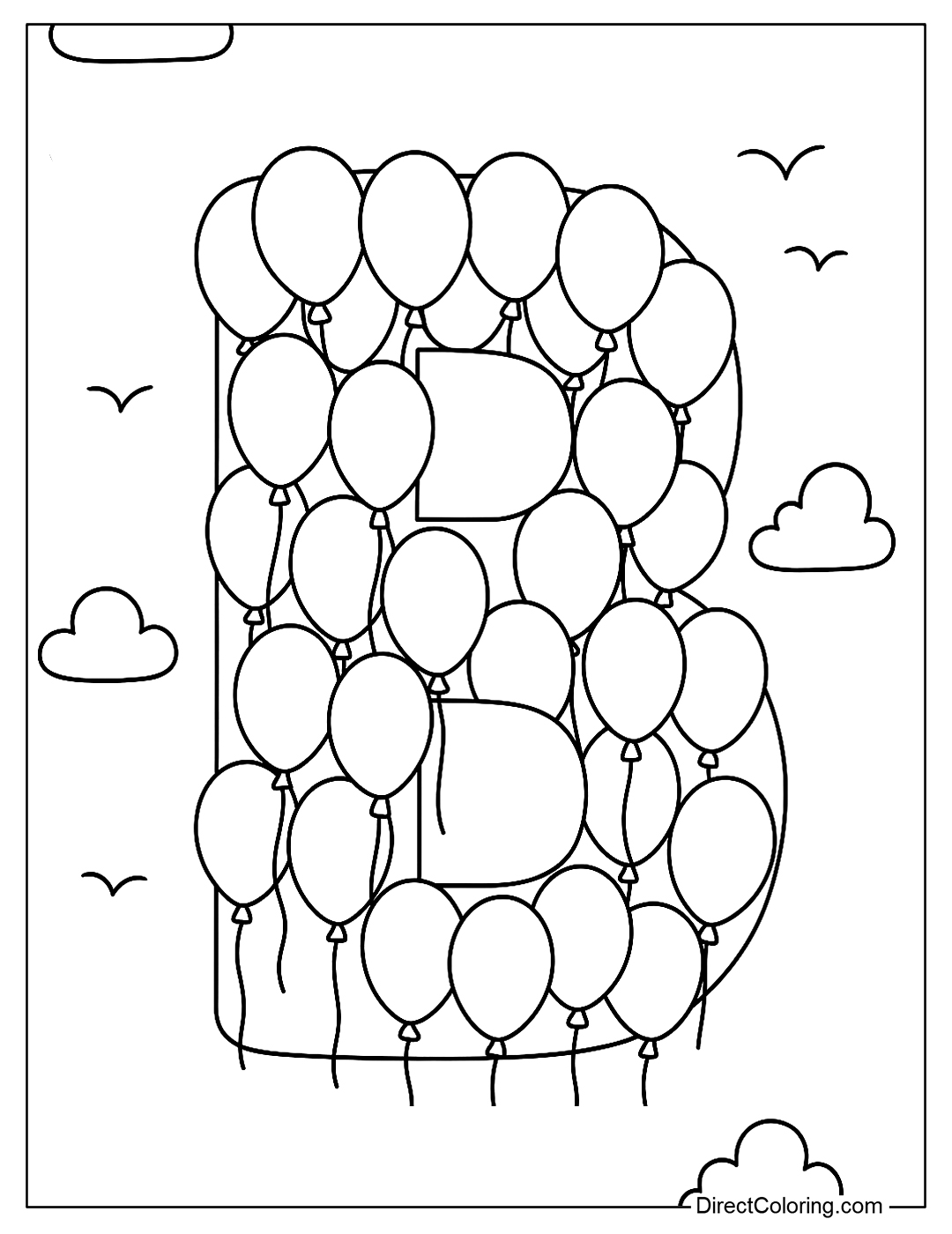
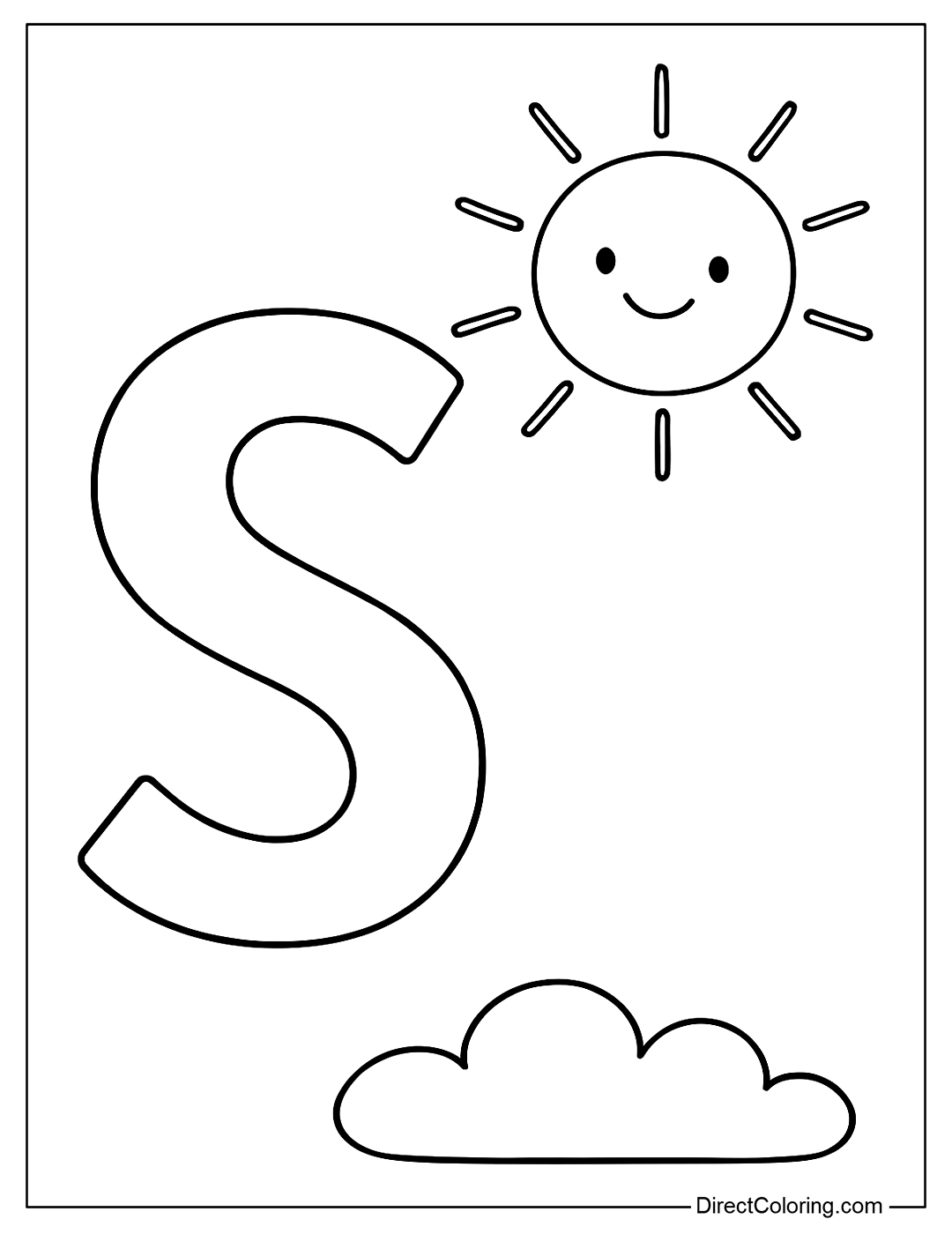
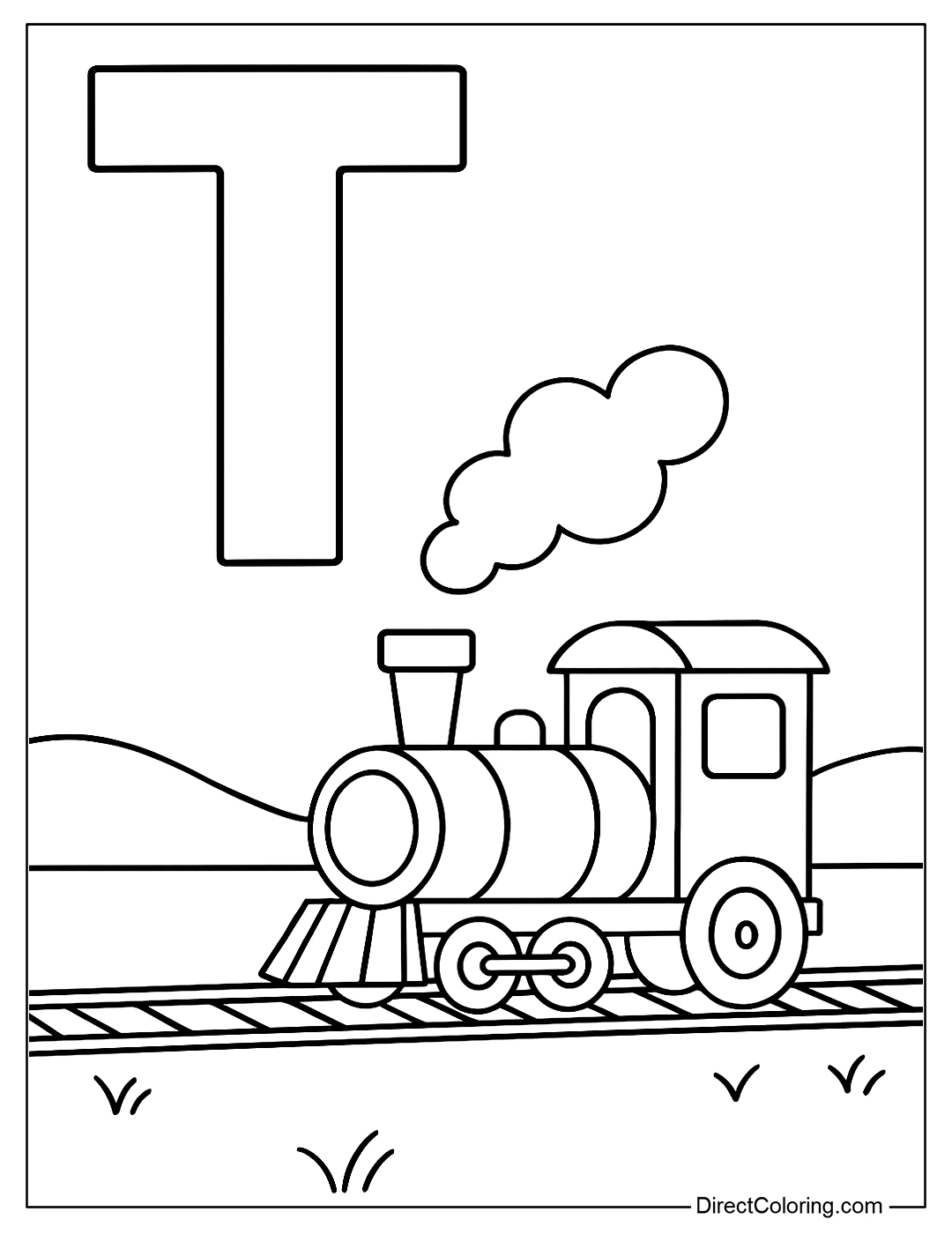
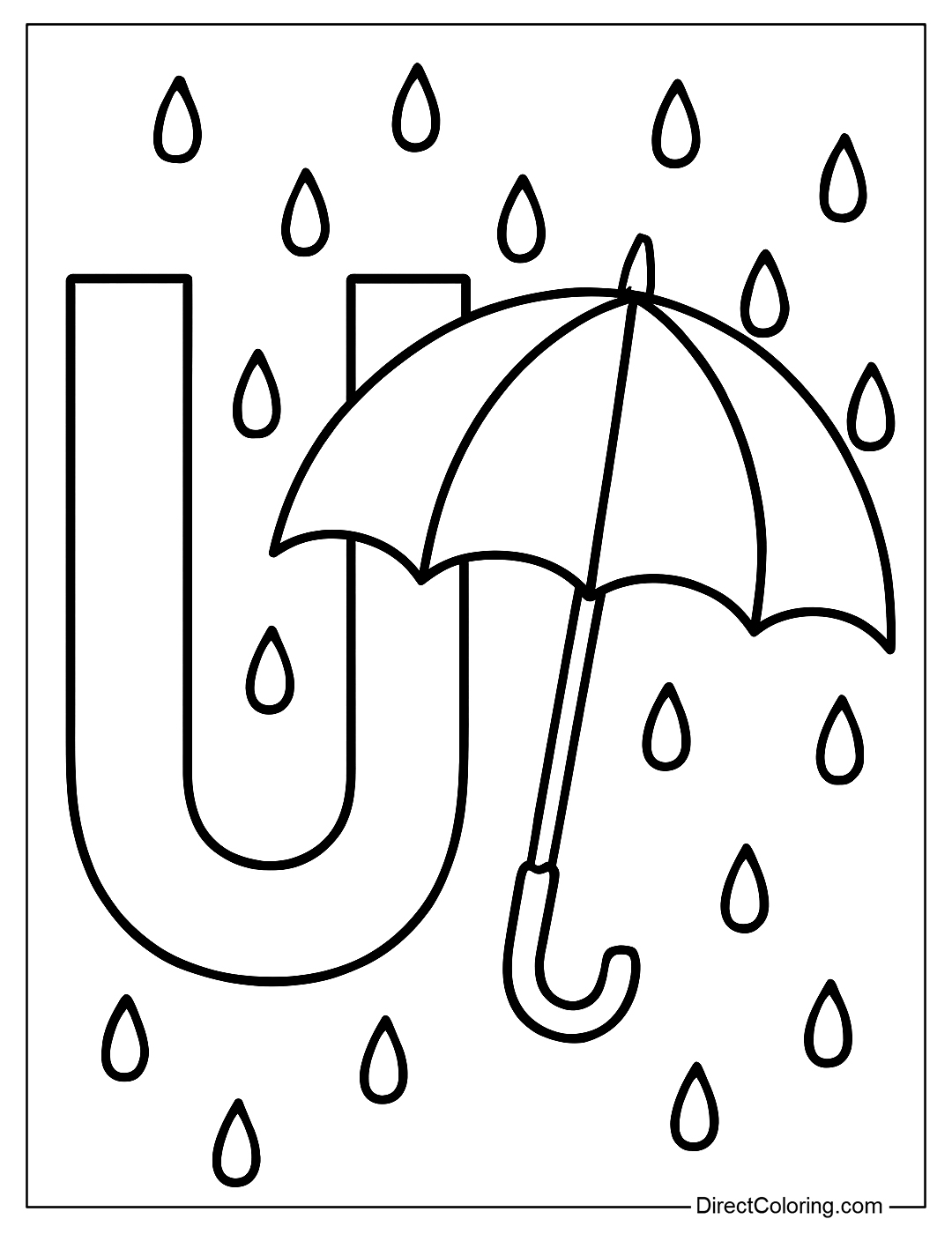
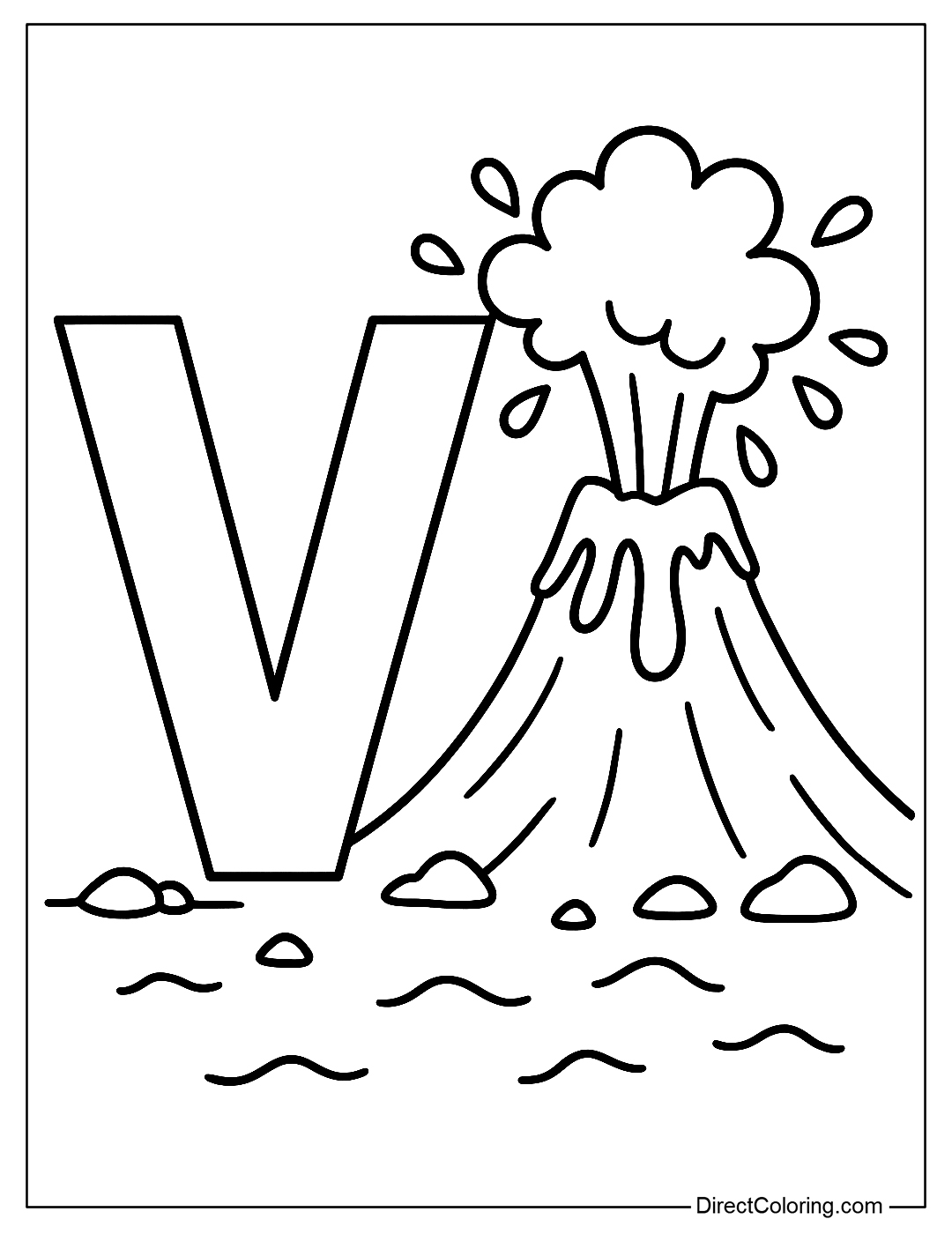
Fun Ways to Use These Alphabet Coloring Sheets
The nice thing about these pages is that nobody has to frame it as learning for it to work. At home, they're good for slow mornings, post-school wind-down time, or that specific kind of afternoon where everyone needs something quiet to do. In classrooms, they fit easily into a letter-of-the-week setup or as a calm center activity that doesn't need much instruction.
Kids tend to narrate while they color, "Z is for zebra, zebra starts with Z," not because anyone asked them to, just because the image is right there, prompting it. Some will trace the letter outline with a finger before picking up a crayon. One kid will spend twenty minutes getting the whale exactly the right shade of blue and barely glance at the W. That's fine. The letter is still sitting there the whole time, doing its job quietly.
These coloring pages for toddlers and preschoolers also work well as a take-home activity after school, a quiet task during transitions, or something to keep in the waiting room bag for appointments that run long.
Download Free Printable Alphabet Coloring Pages
Download the free PDF below and print as many copies as you need: a stack for home, extras for the classroom, and a few pages tucked into the activity bag. If your kid finishes a page and it ends up displayed somewhere, we'd genuinely love to see it. Share on Facebook, Instagram, Pinterest, or X with the hashtags #AlphabetColoringPages, #DirectColoring - especially if they gave the zebra a color that zebras definitely aren't. Those are our favorites.
Frequently Asked Questions
1. My kid colors the animal first and barely looks at the letter. Is that actually doing anything?
Yes. The letter is still visible the entire time they're coloring, they're seeing it, building an association between it and the image, even when they're not focused on it directly. The connection forms without them realizing it. Don't redirect, just let it happen.
2. My 3-year-old can't stay inside the lines at all. Should I wait until she's a bit older?
No need to wait. Staying inside lines isn't the point at that age. She's still seeing the letter shape, hearing your name in it, and watching colors appear on the page. The fine motor control comes later on its own. The exposure is already happening now.
3. My son asks what sound each letter makes every single time we color. Should I just keep answering?
Keep answering, every time, without making it feel like a test. That kind of casual repetition during a low-pressure activity tends to stick better than dedicated drilling. If he asks the same letter five times in one sitting, that's a good sign, not an annoying one.
4. Are alphabet coloring pages actually good for letter recognition?
They're not a replacement for direct instruction, but they're a solid supplement, especially for kids who resist sitting still for traditional learning. Pairing a letter with a consistent image (A with apples, Z with a zebra) reinforces visual memory for letter shapes and builds early phonics associations in a way that feels like play rather than work.
5. Is there a right order to go through the pages?
No set order needed. Kids who go A to Z are picking up the alphabet sequence. Kids who jump around are learning letters through things they actually care about, their name, their favorite animal, whatever catches their eye first. Both approaches work. Let them lead.