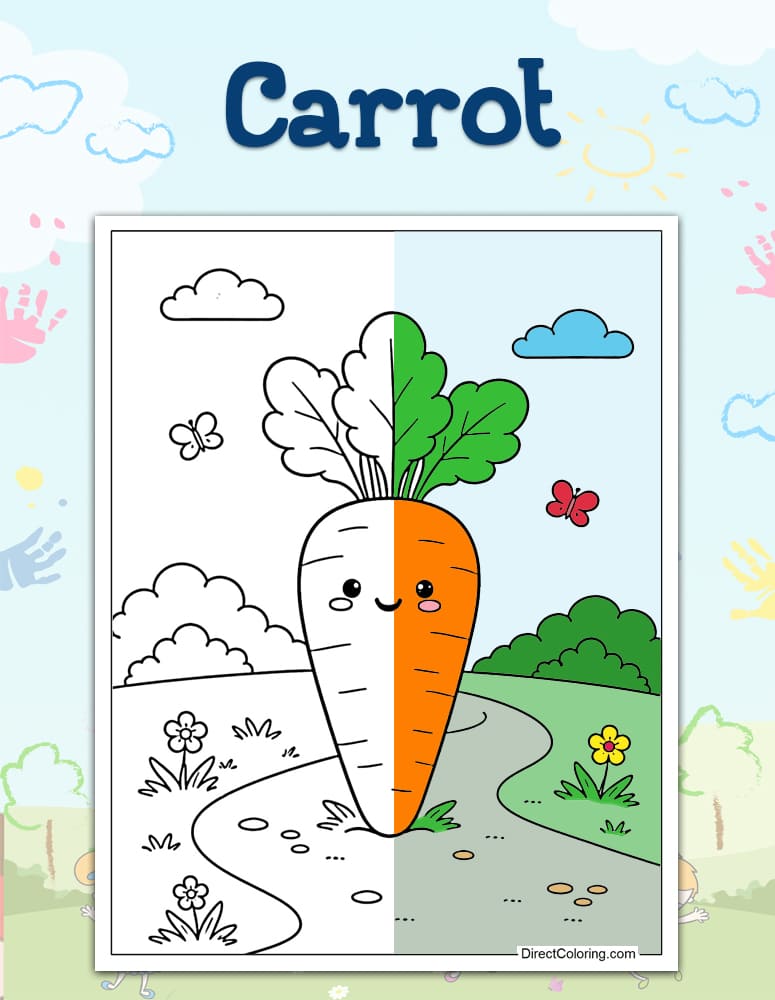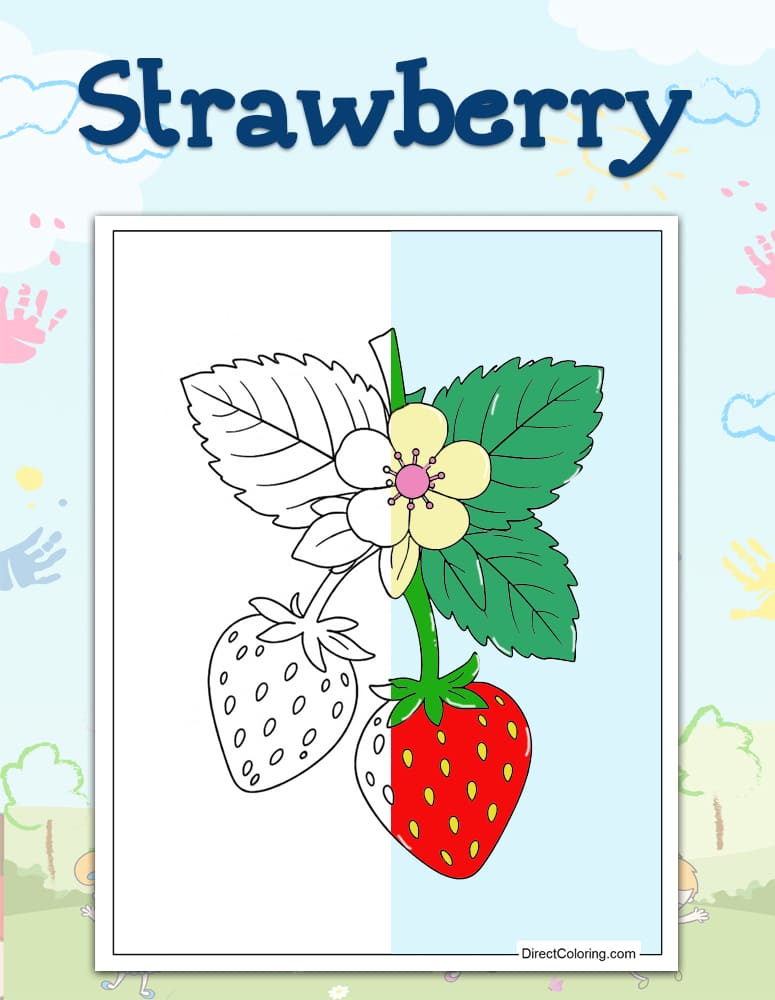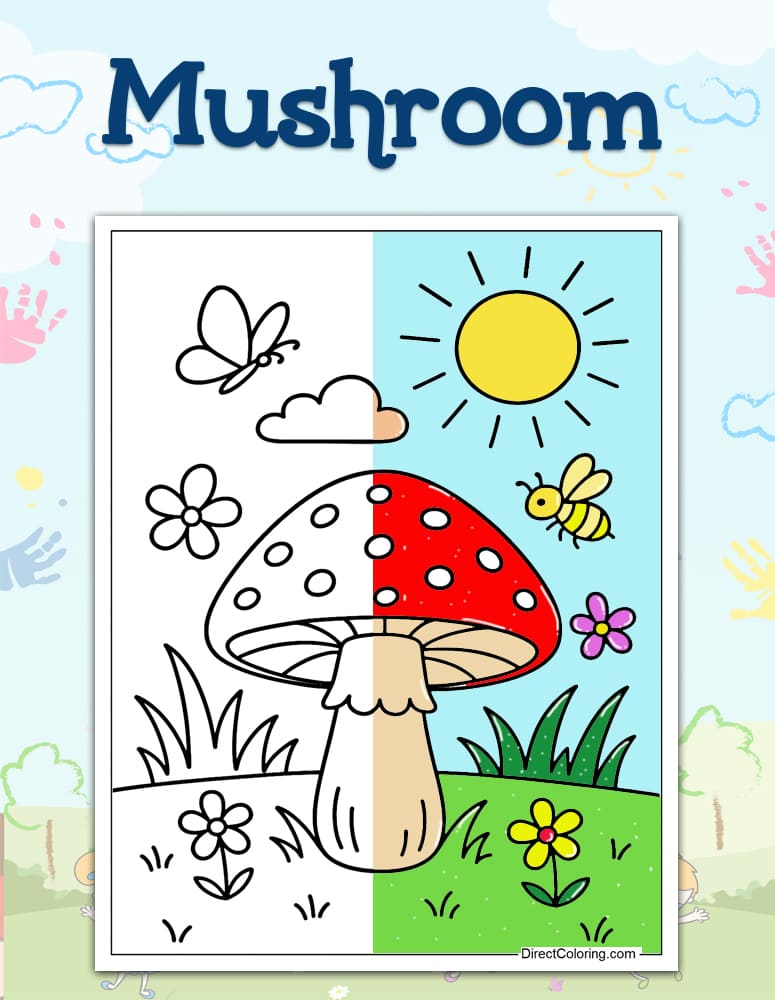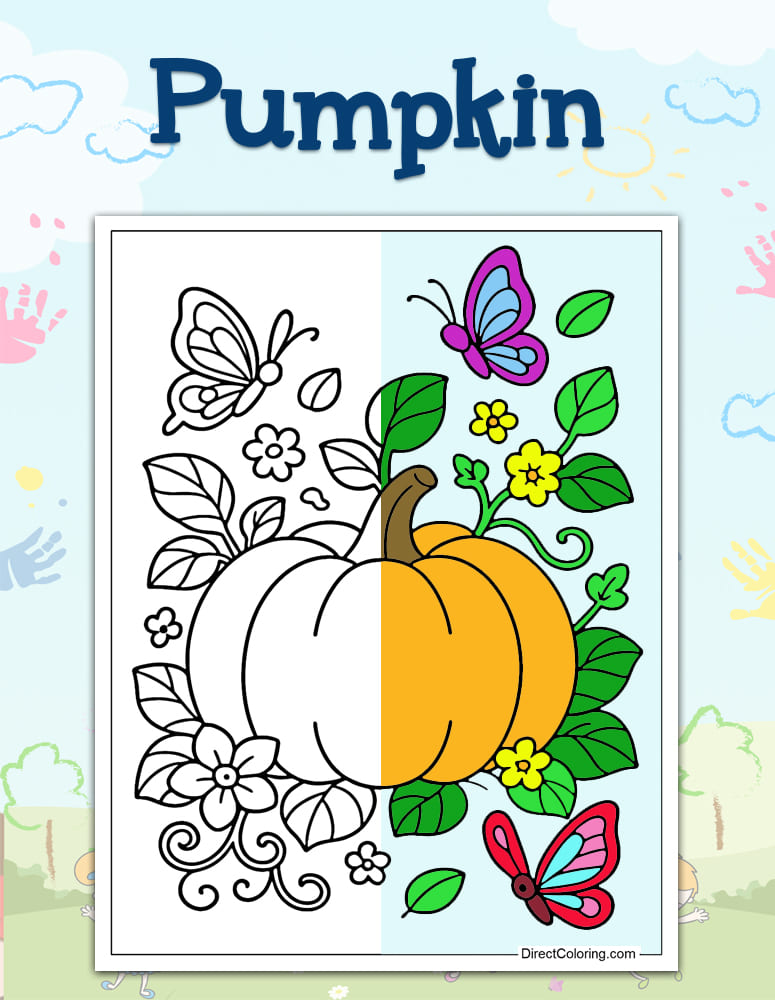
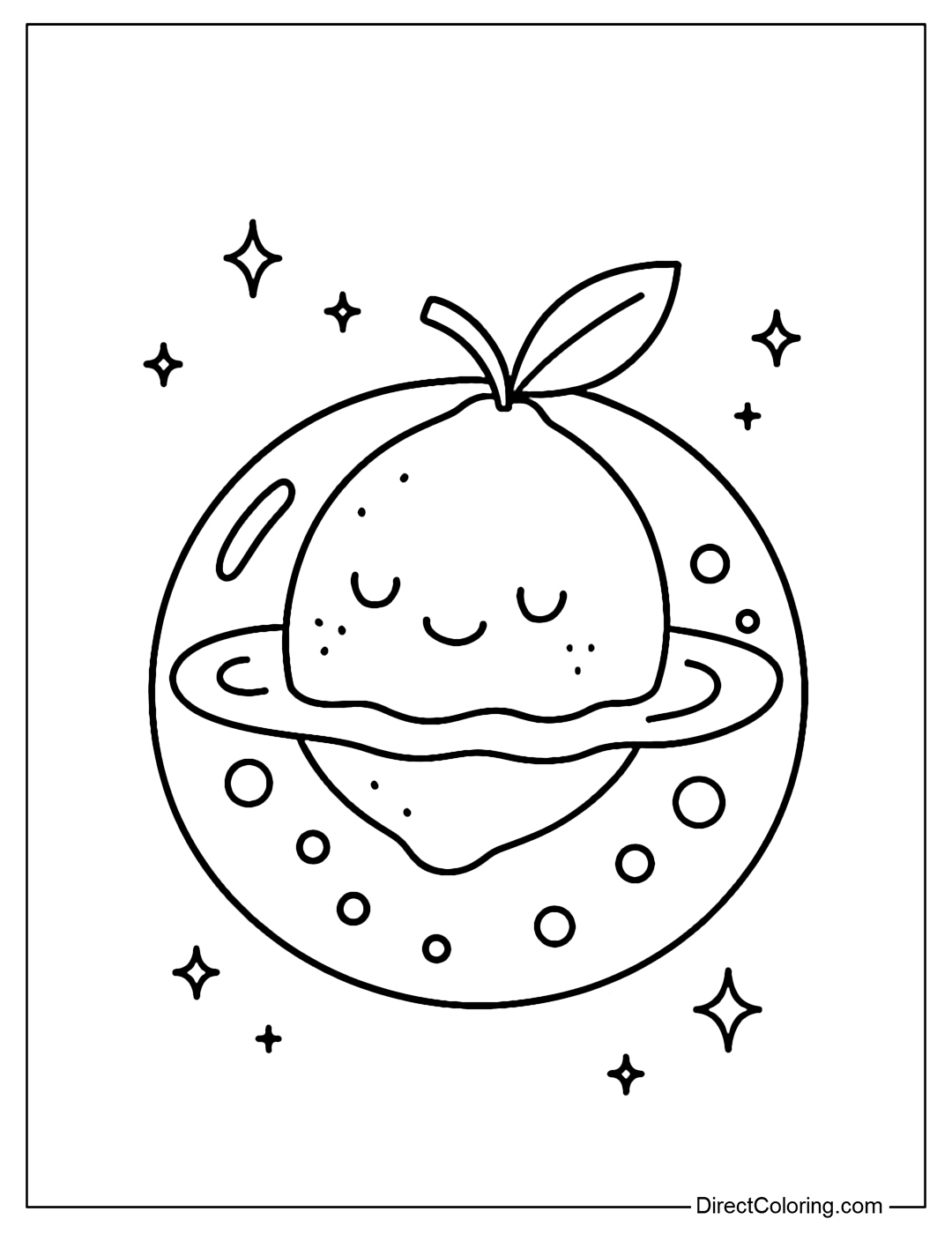
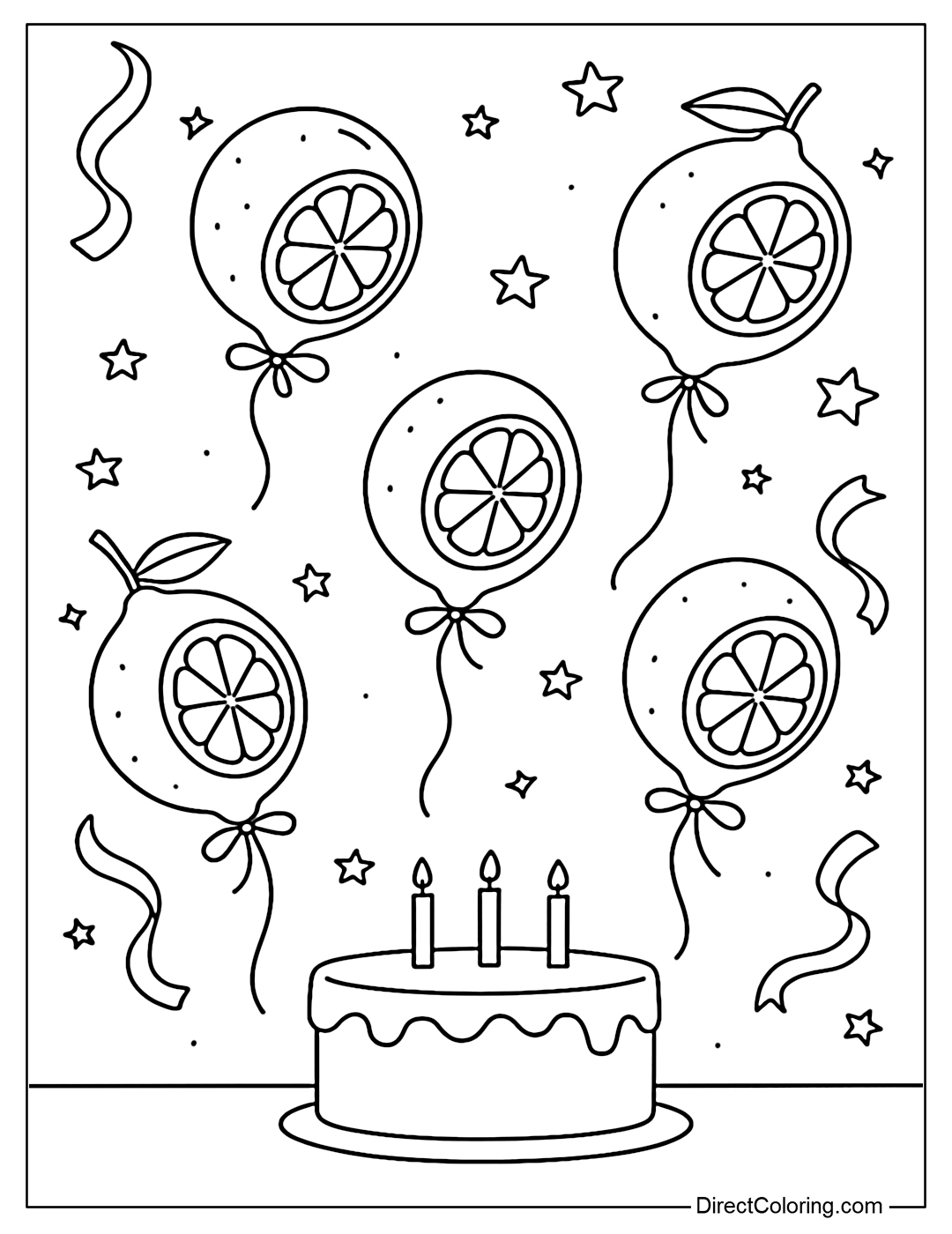
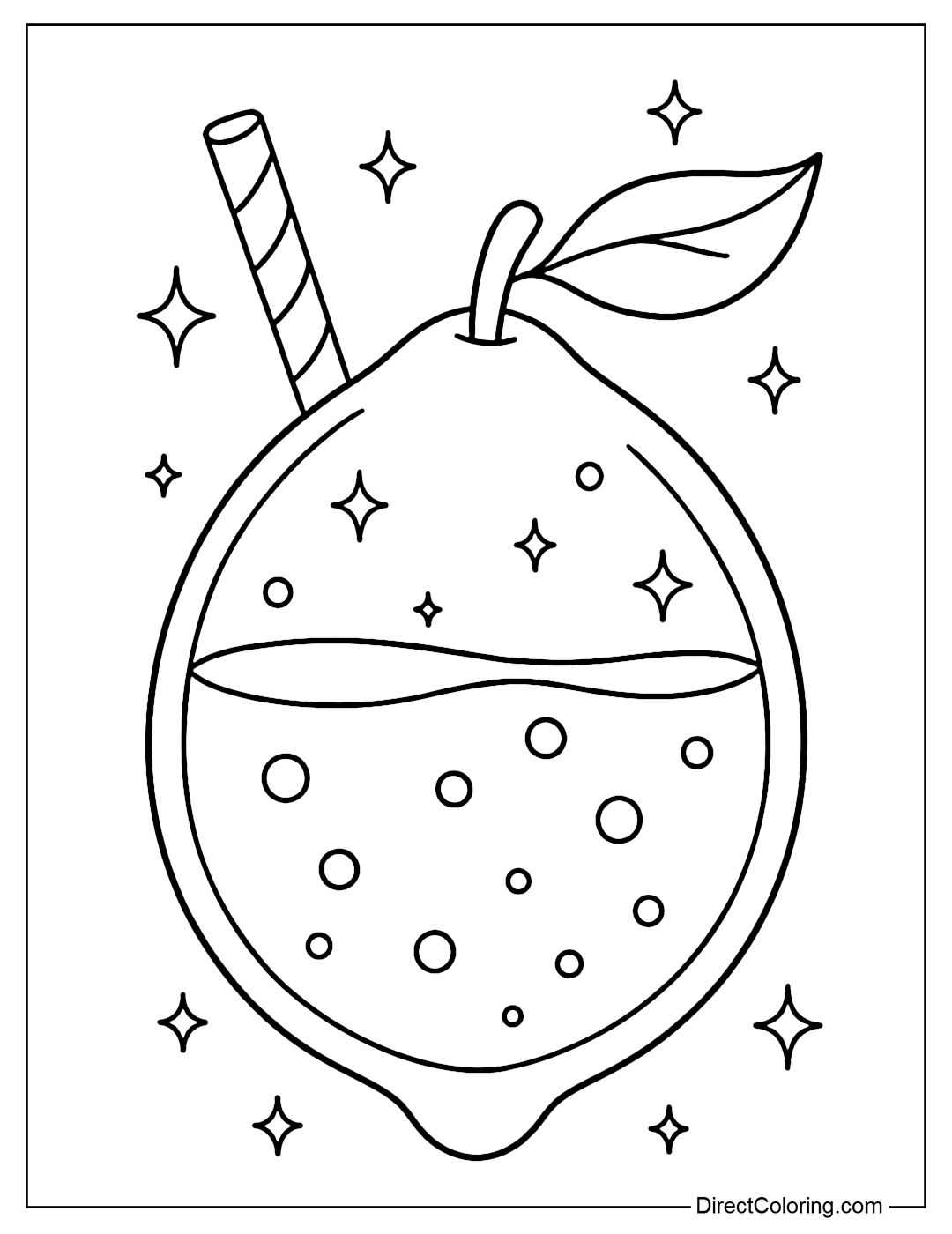
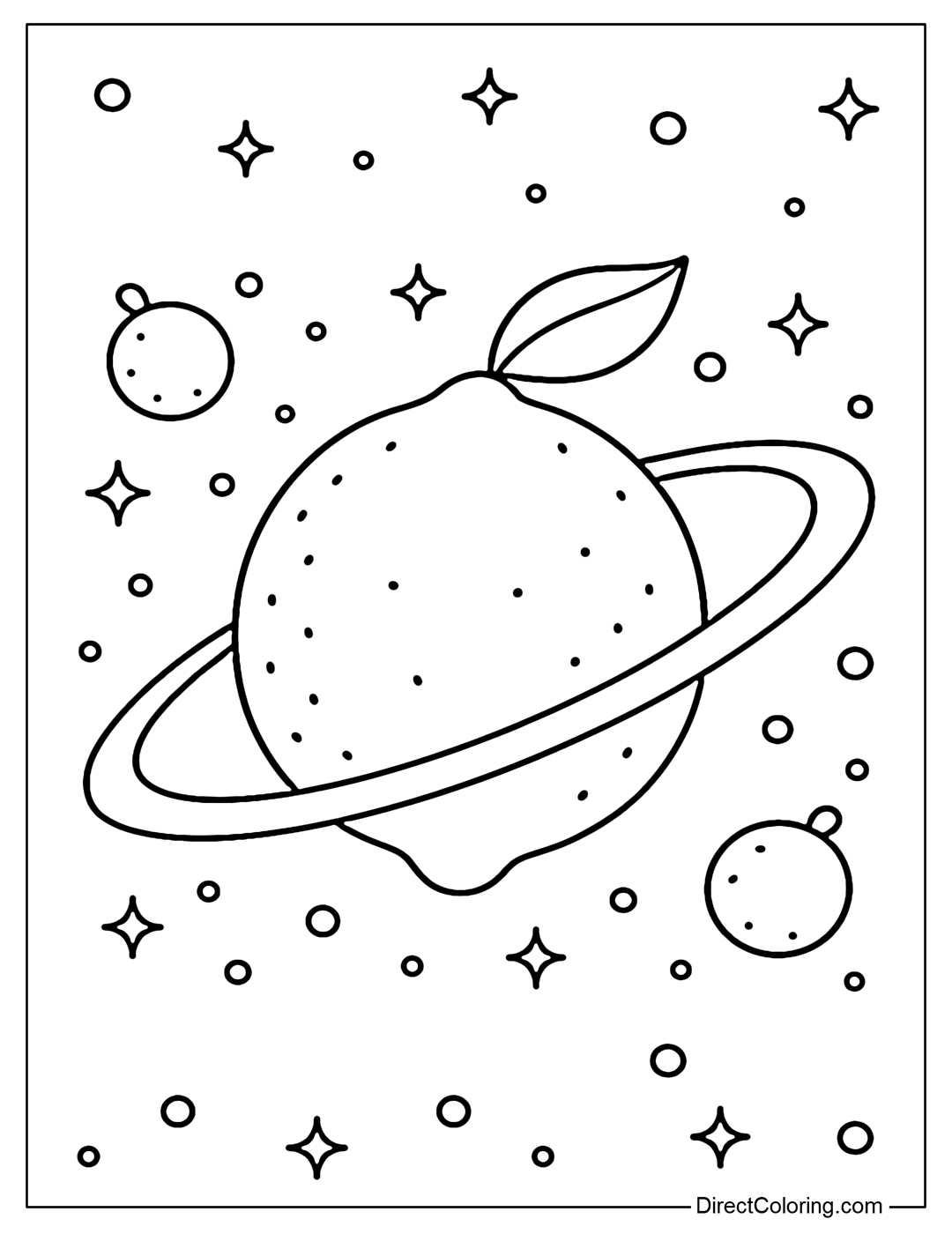
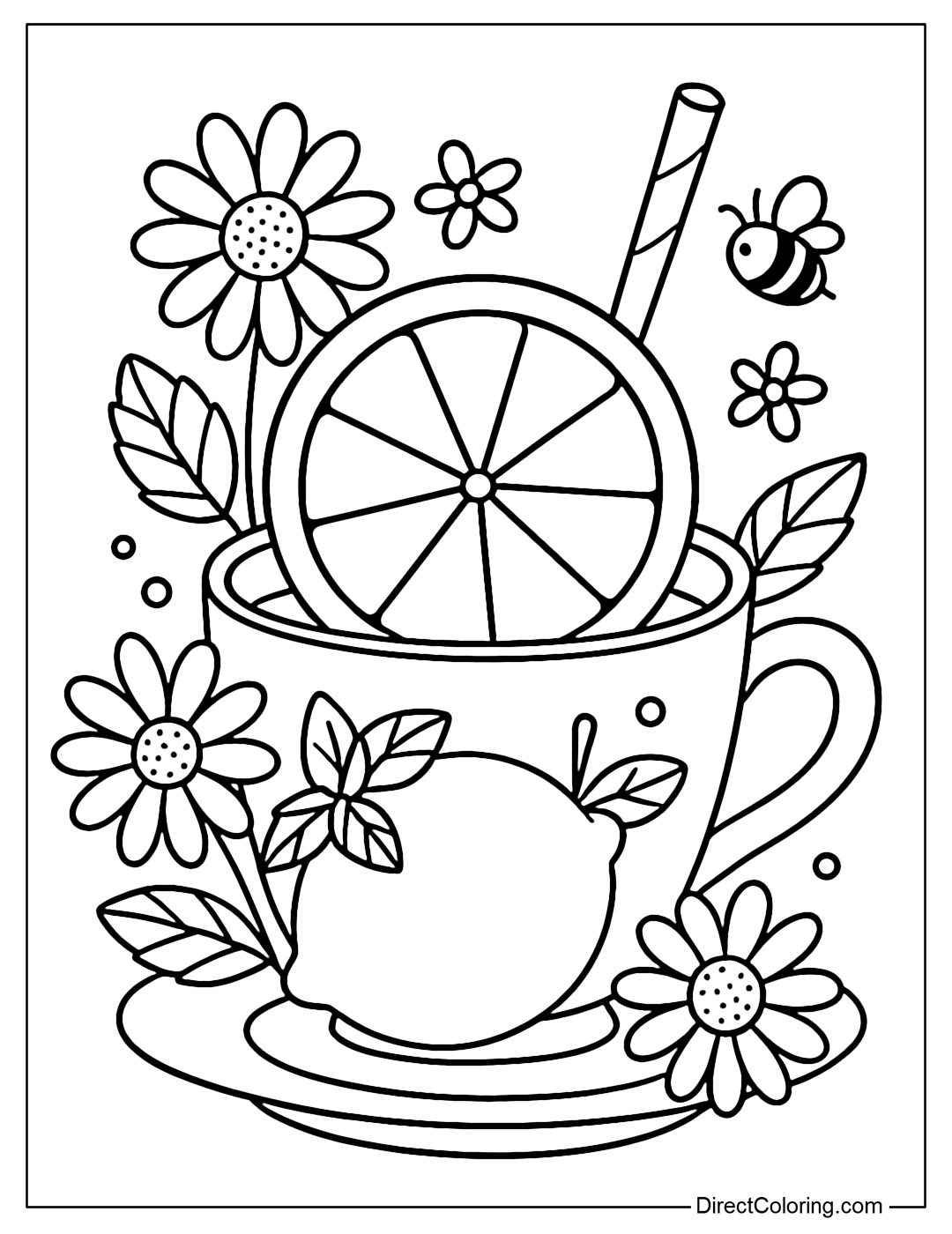
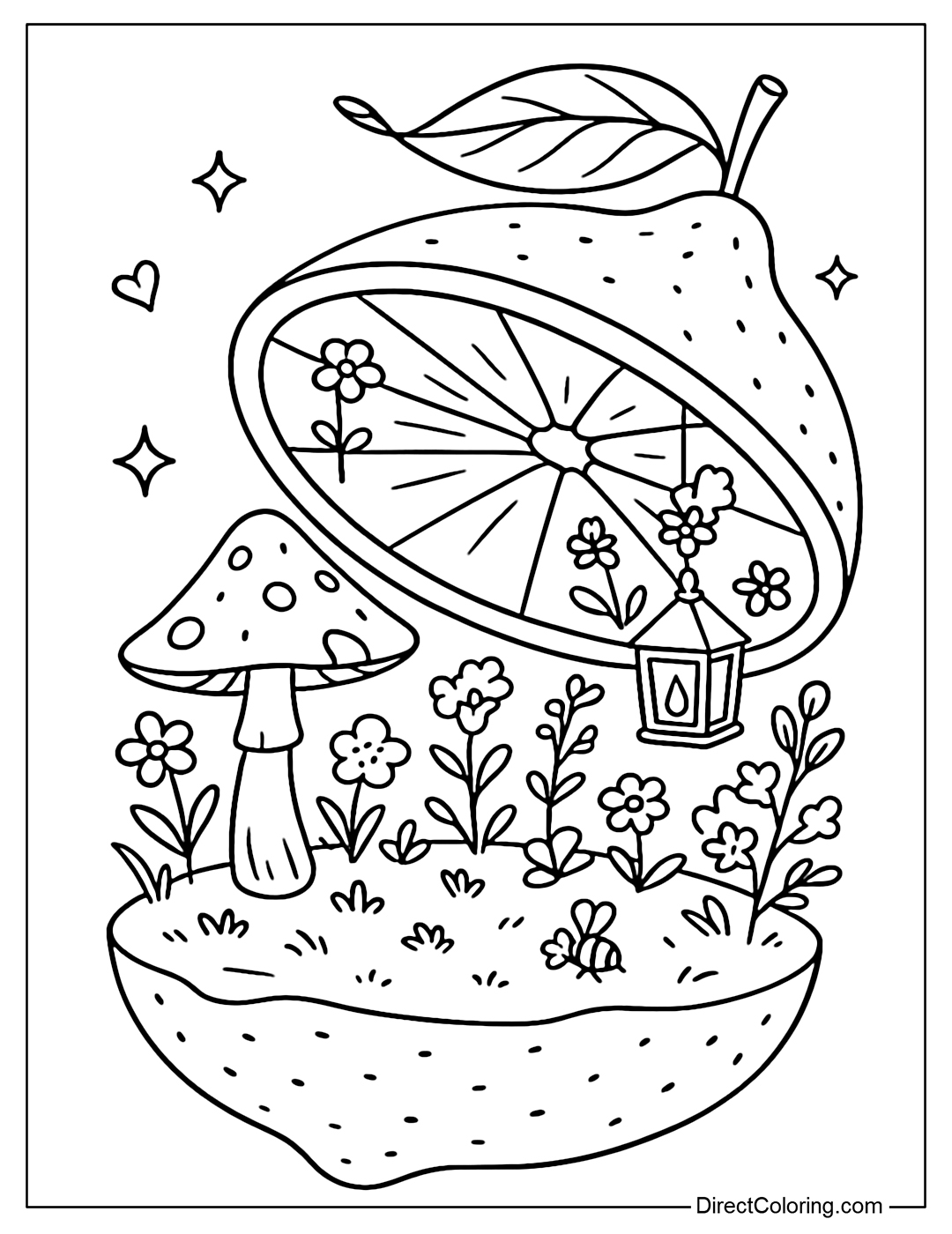
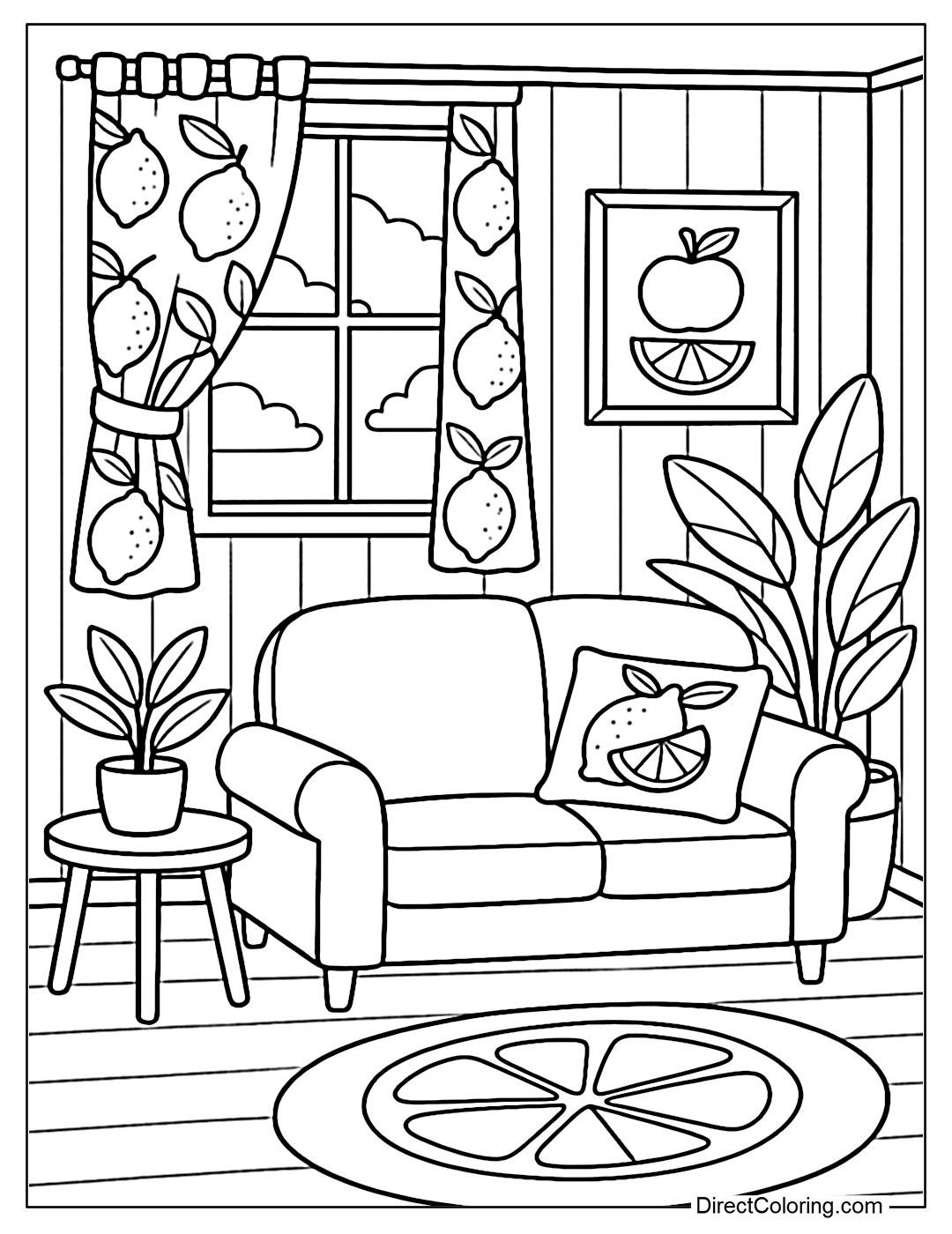
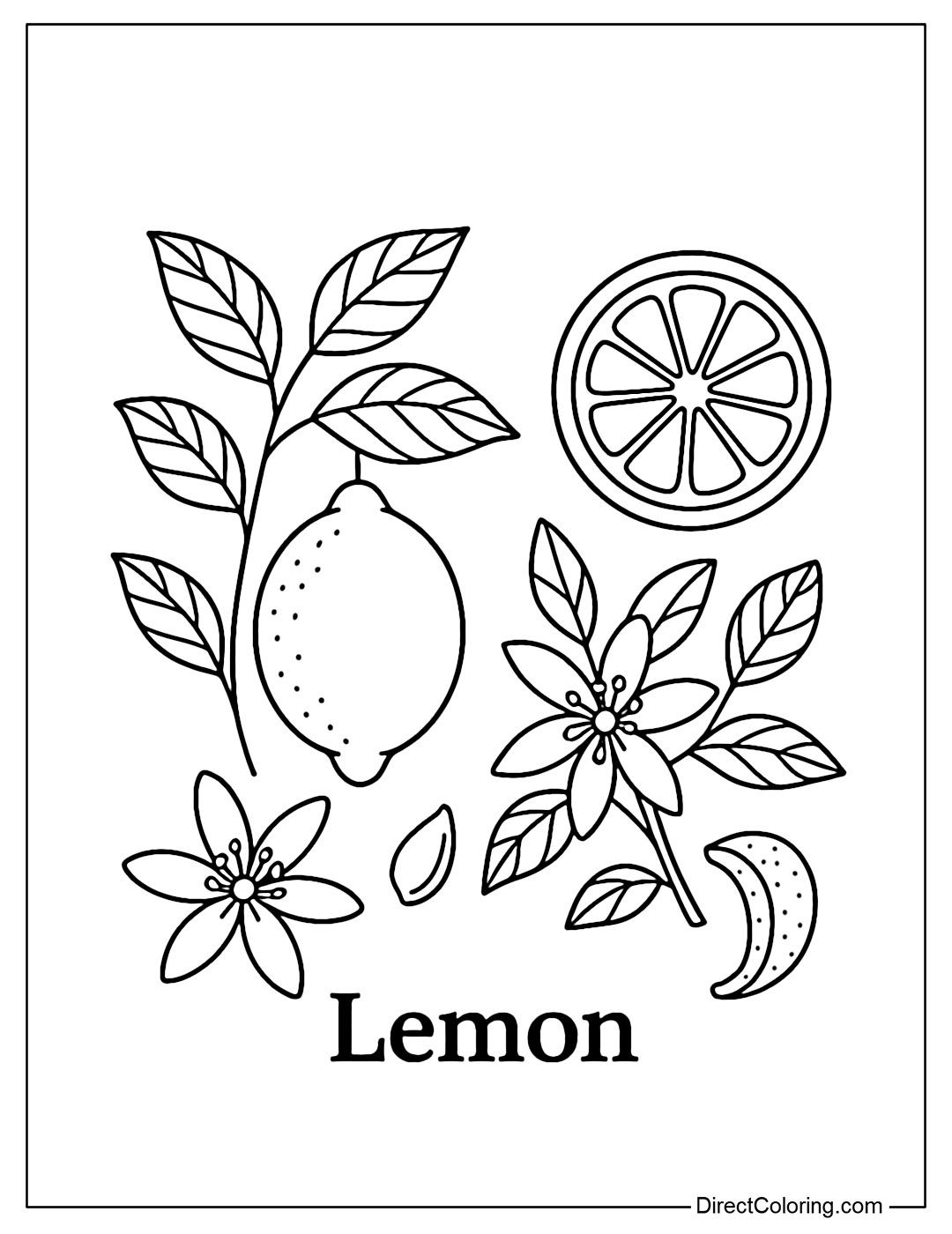
Lemon coloring pages give children familiar fruit shapes, broad leaves, clear slices, and simple summer scenes. Yellow is often the first crayon they reach for. The leaves usually take a little longer, especially when a child is deciding between light green, dark green, or something less realistic.
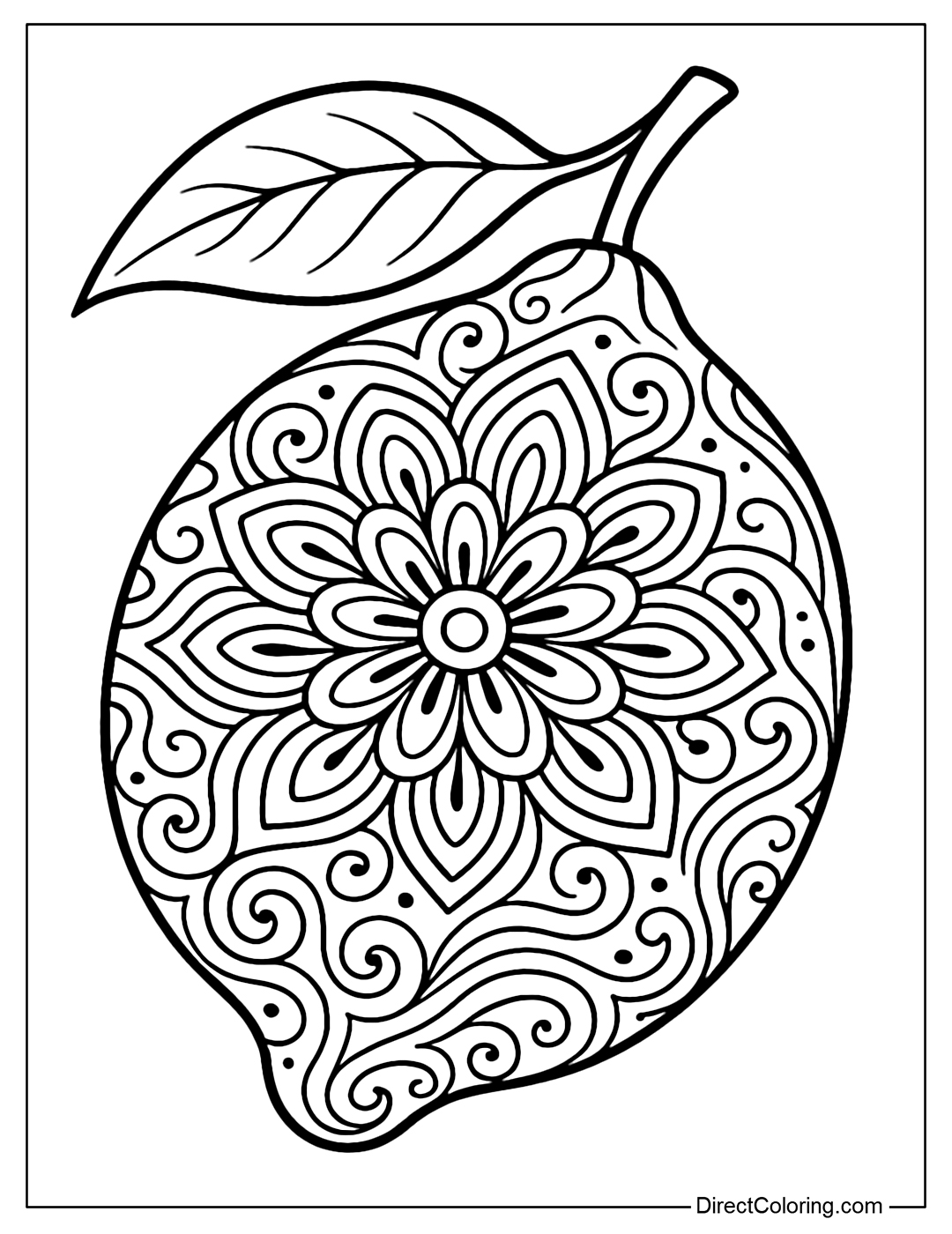
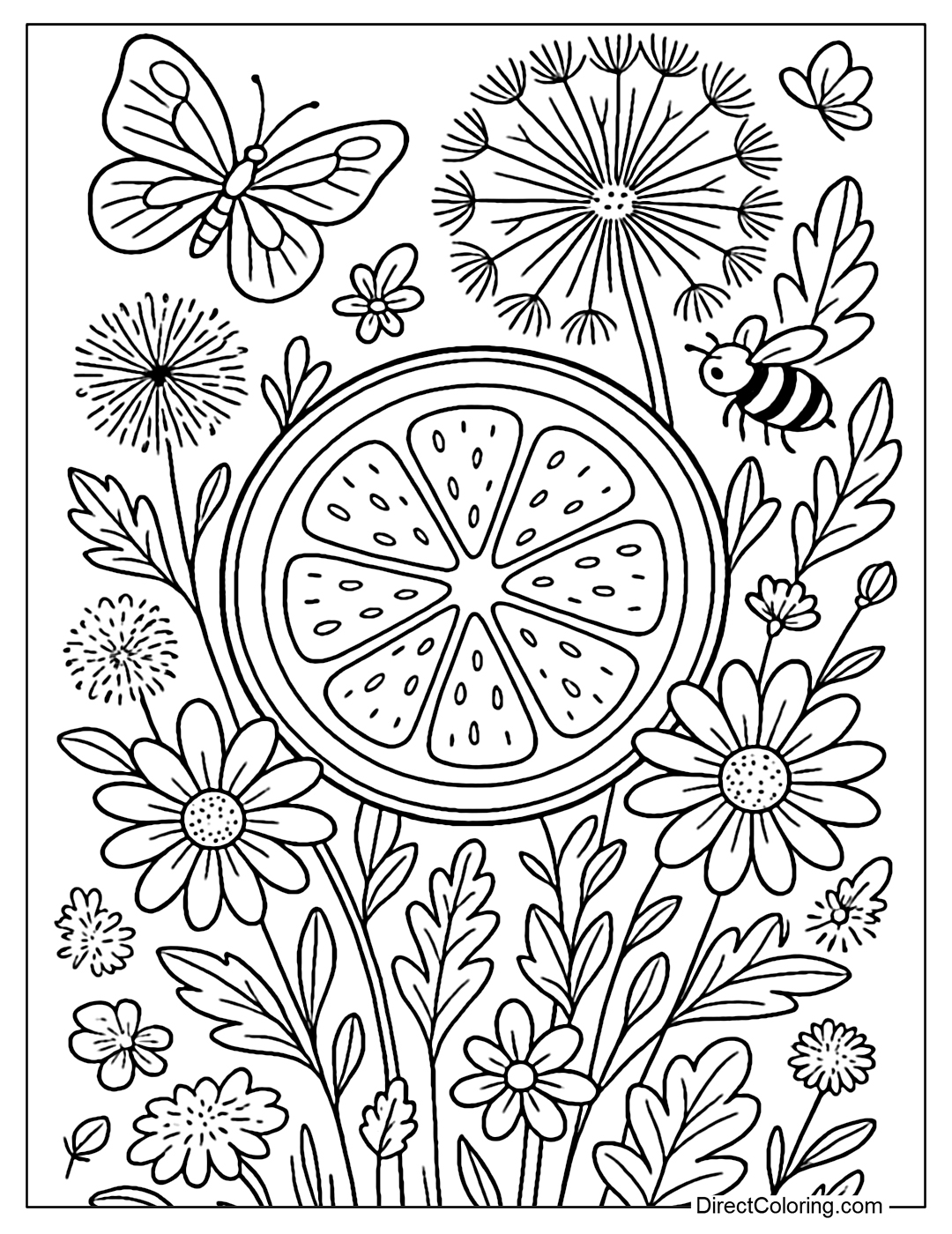
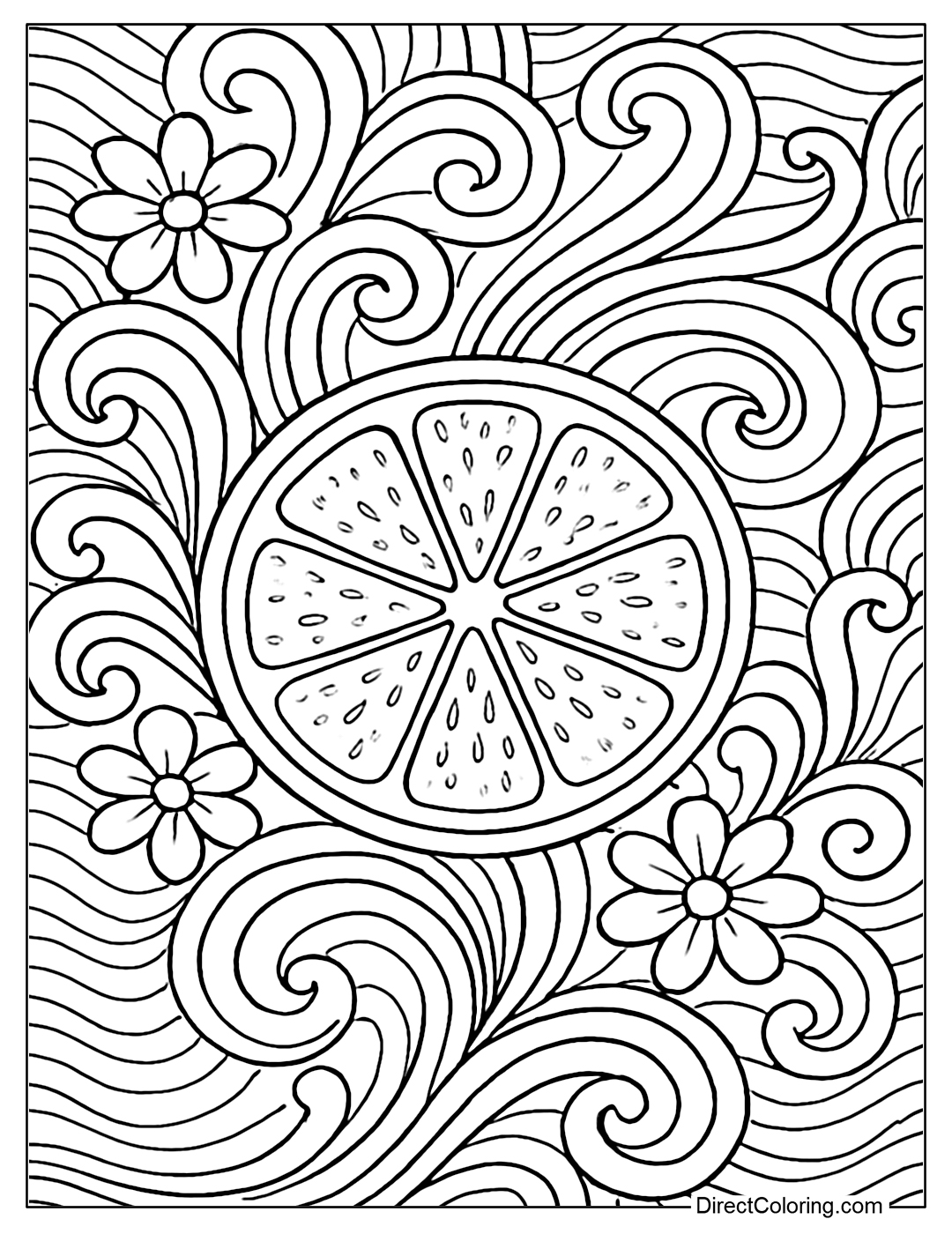
This collection includes simple lemon drawings, playful characters, lemonade scenes, garden activities, and a few calmer botanical pages. The free printable PDFs are suitable for preschoolers who prefer large open shapes, elementary-age children who enjoy small stories in their coloring, and older kids or adults looking for a relaxed page with manageable detail.
Explore Our Lemon Coloring Pages Collection
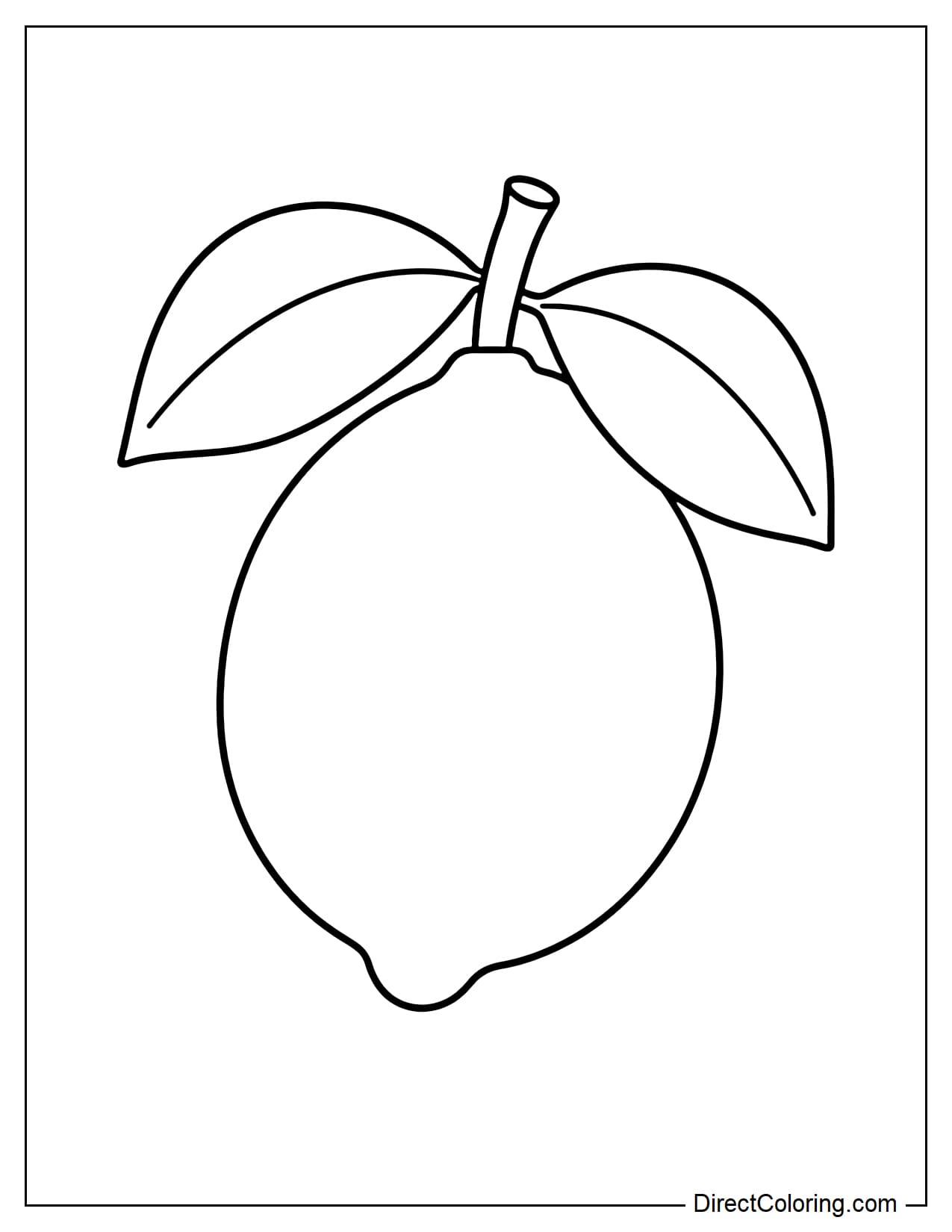
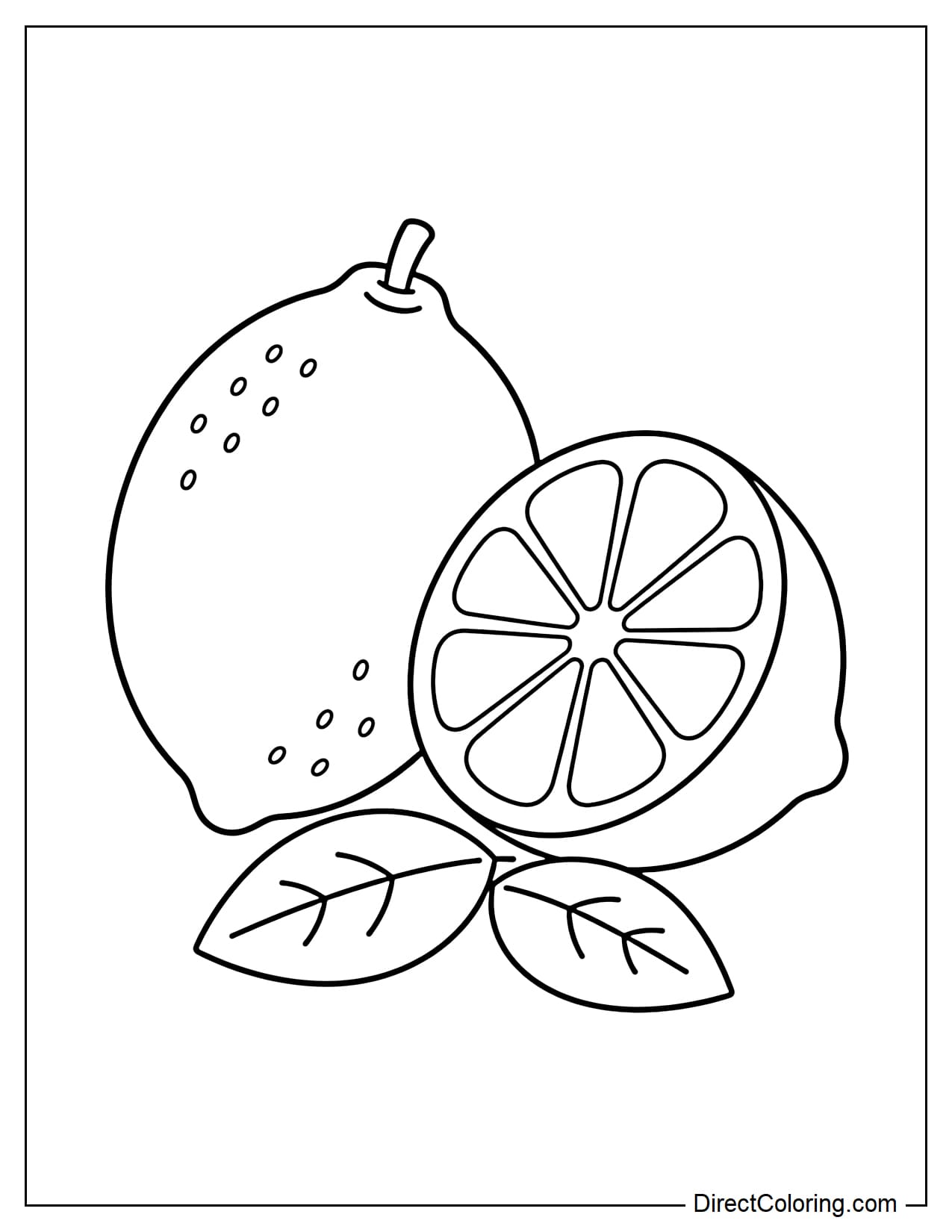
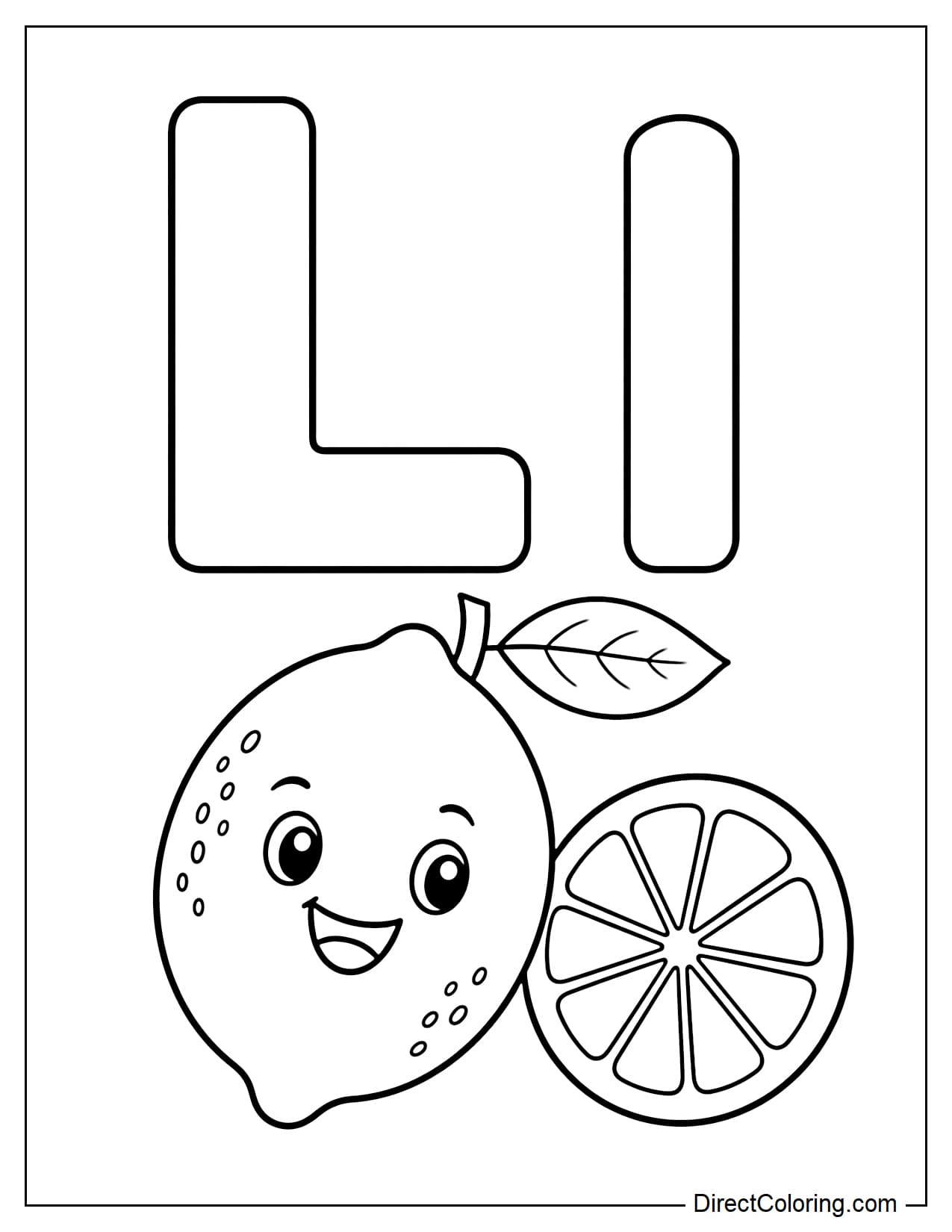
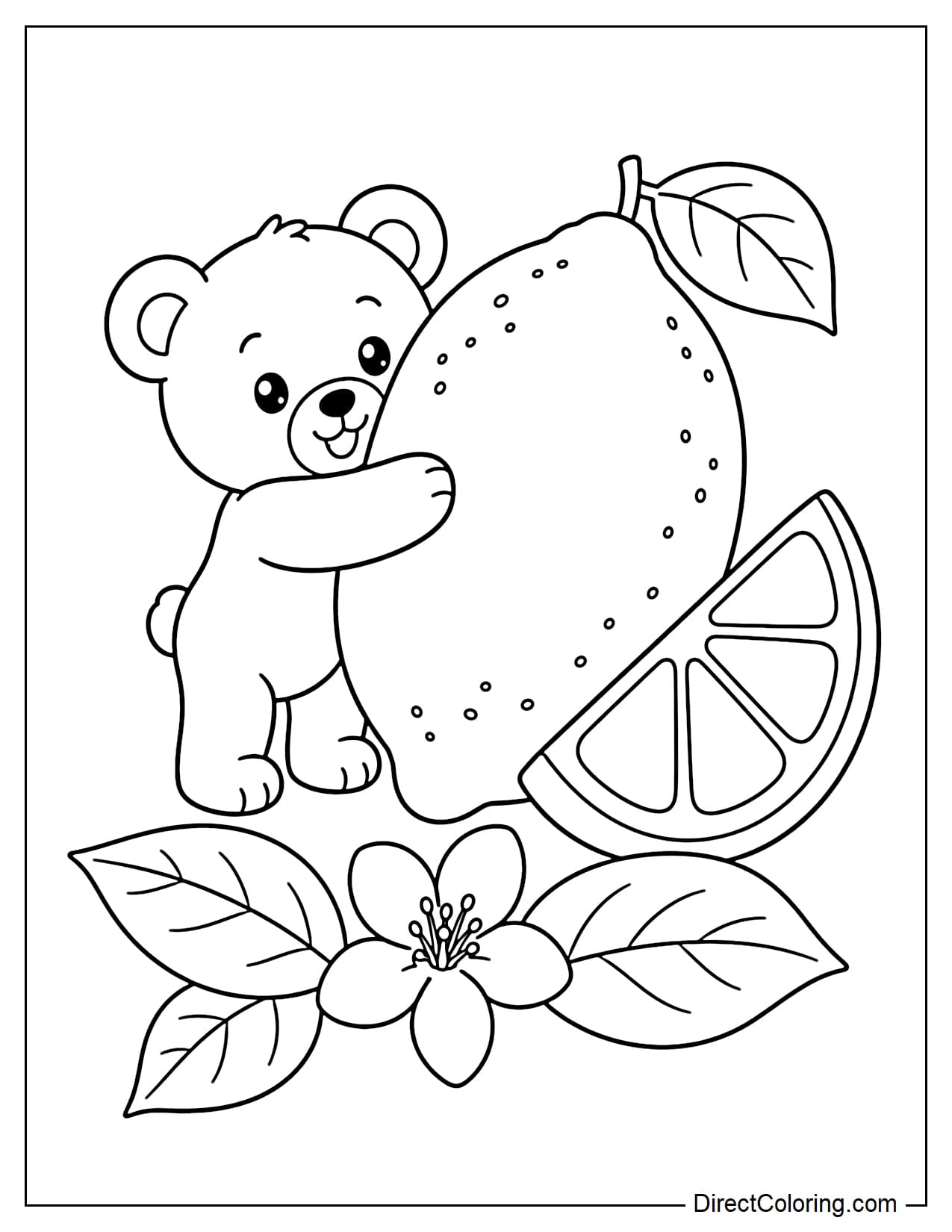
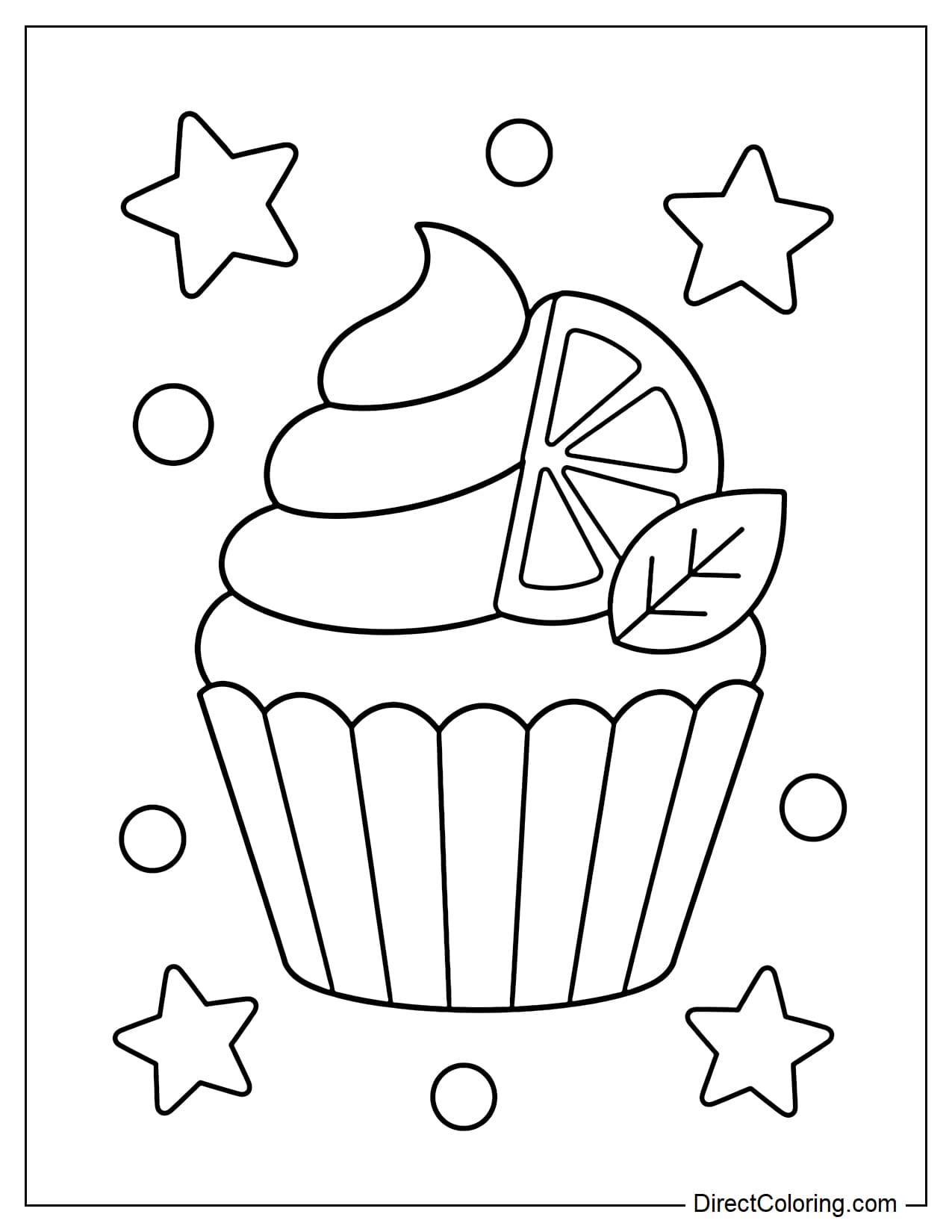
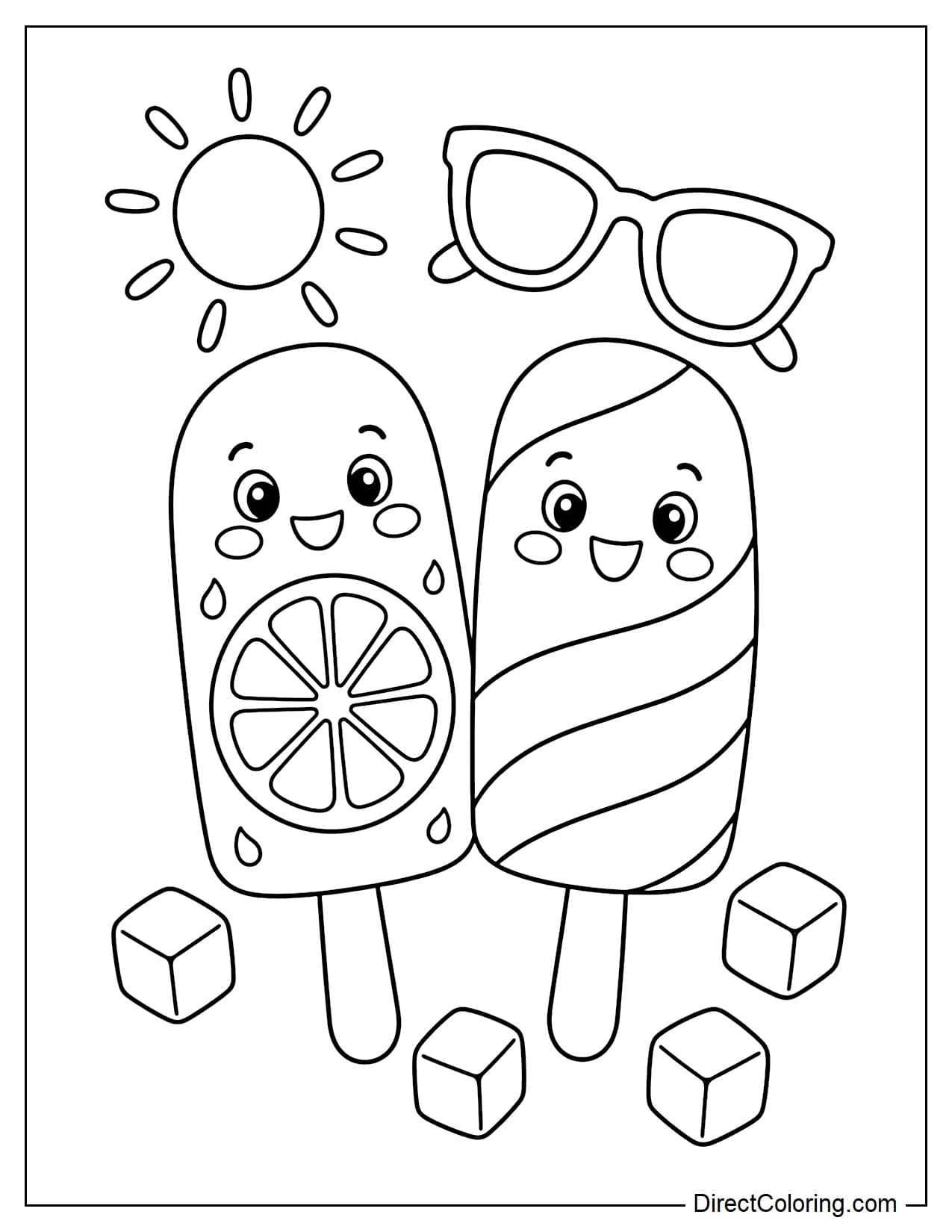
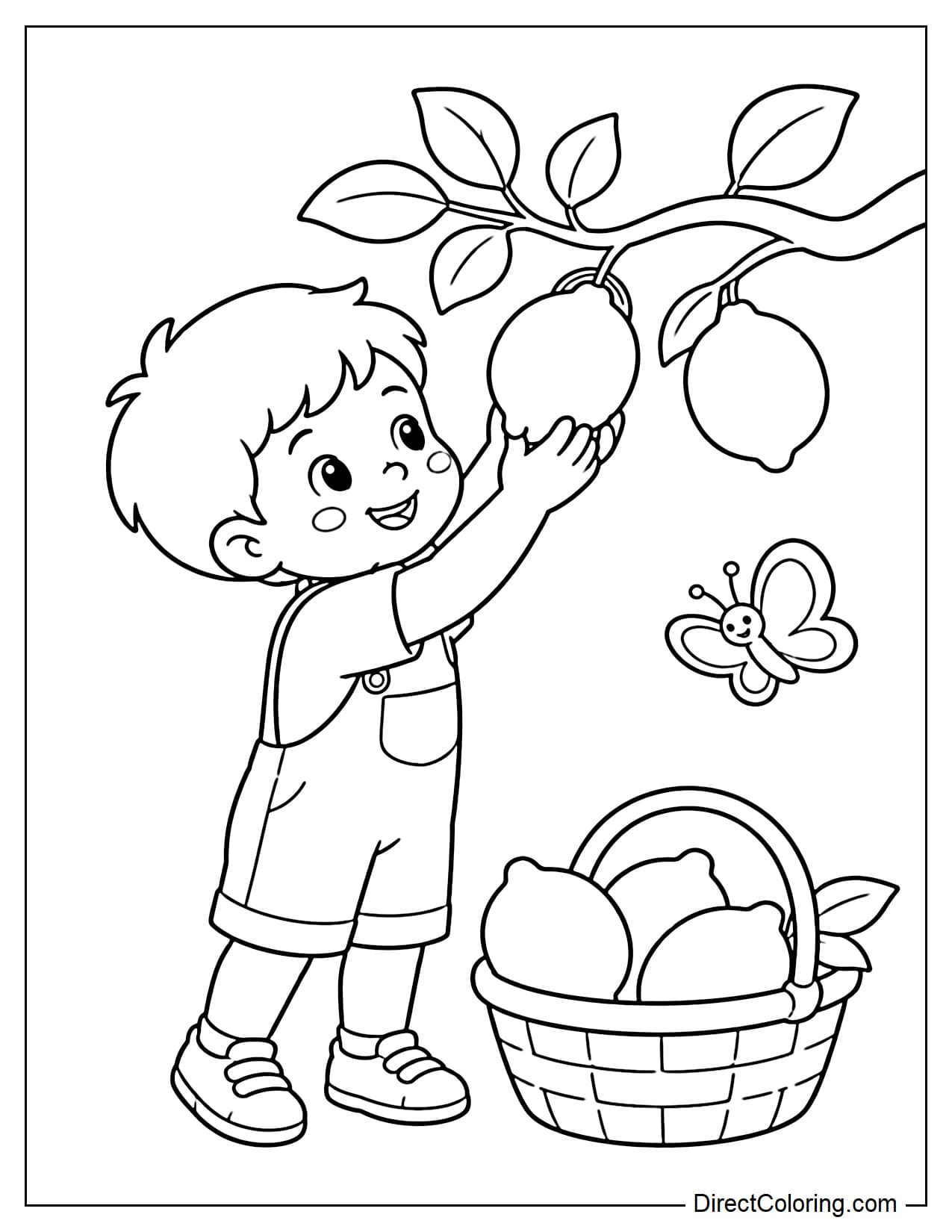
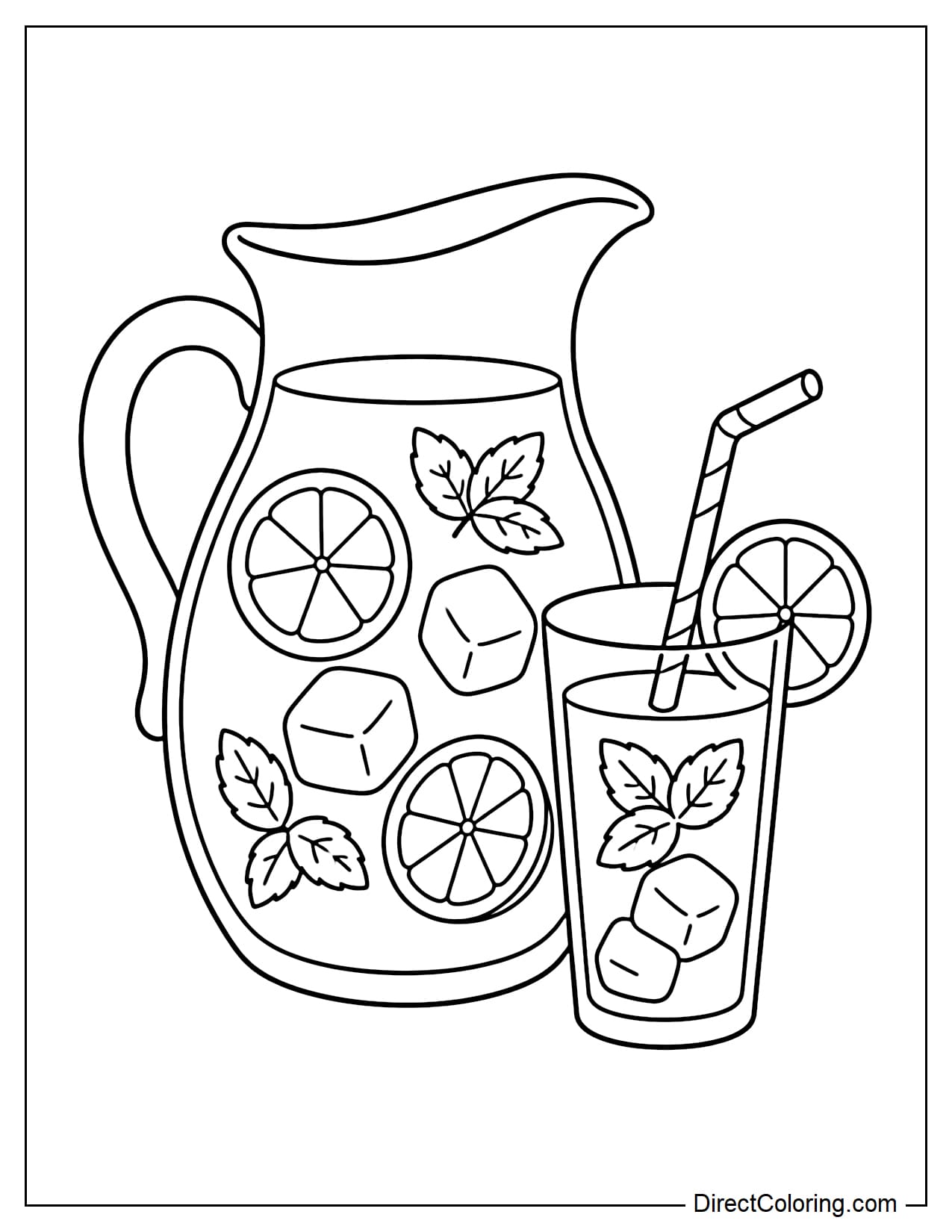
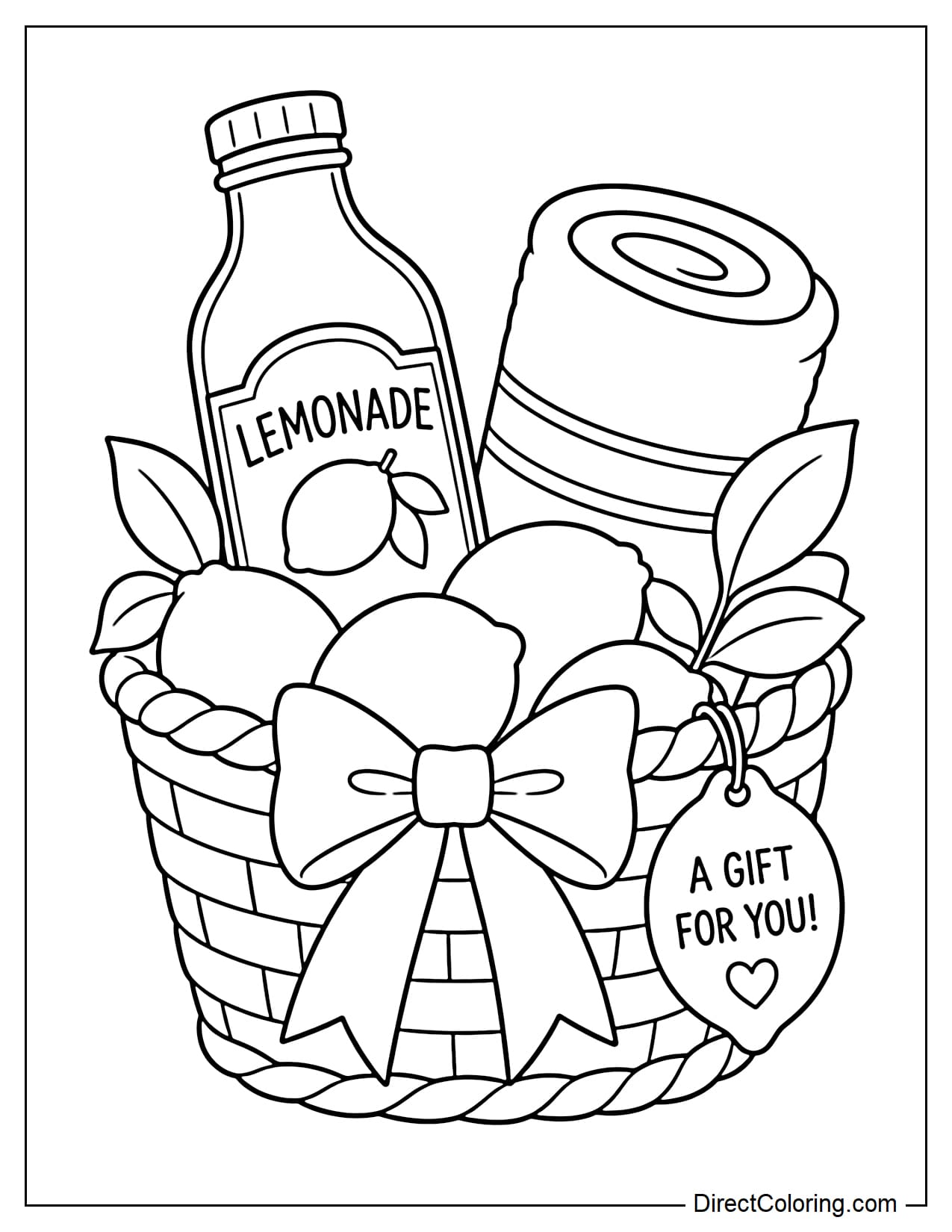
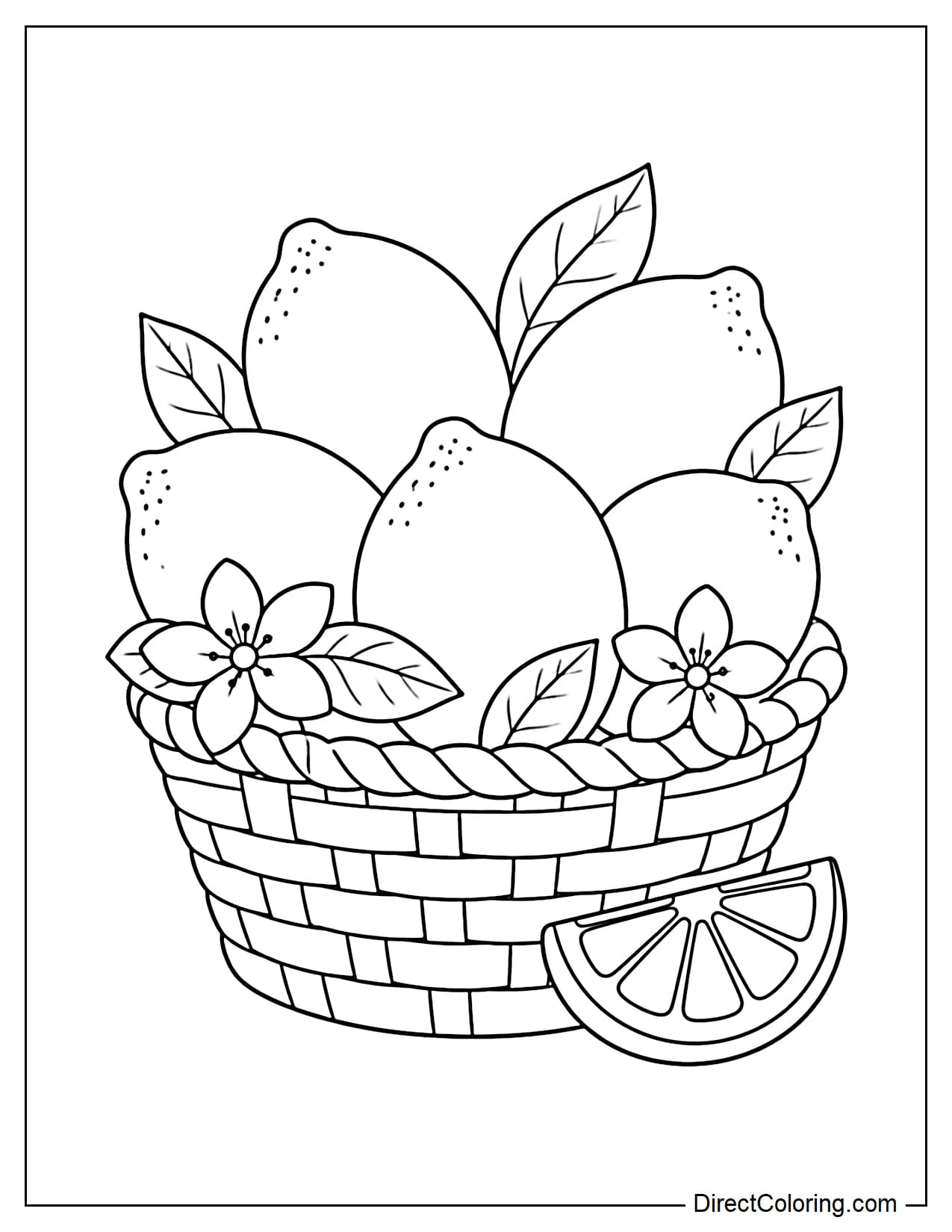
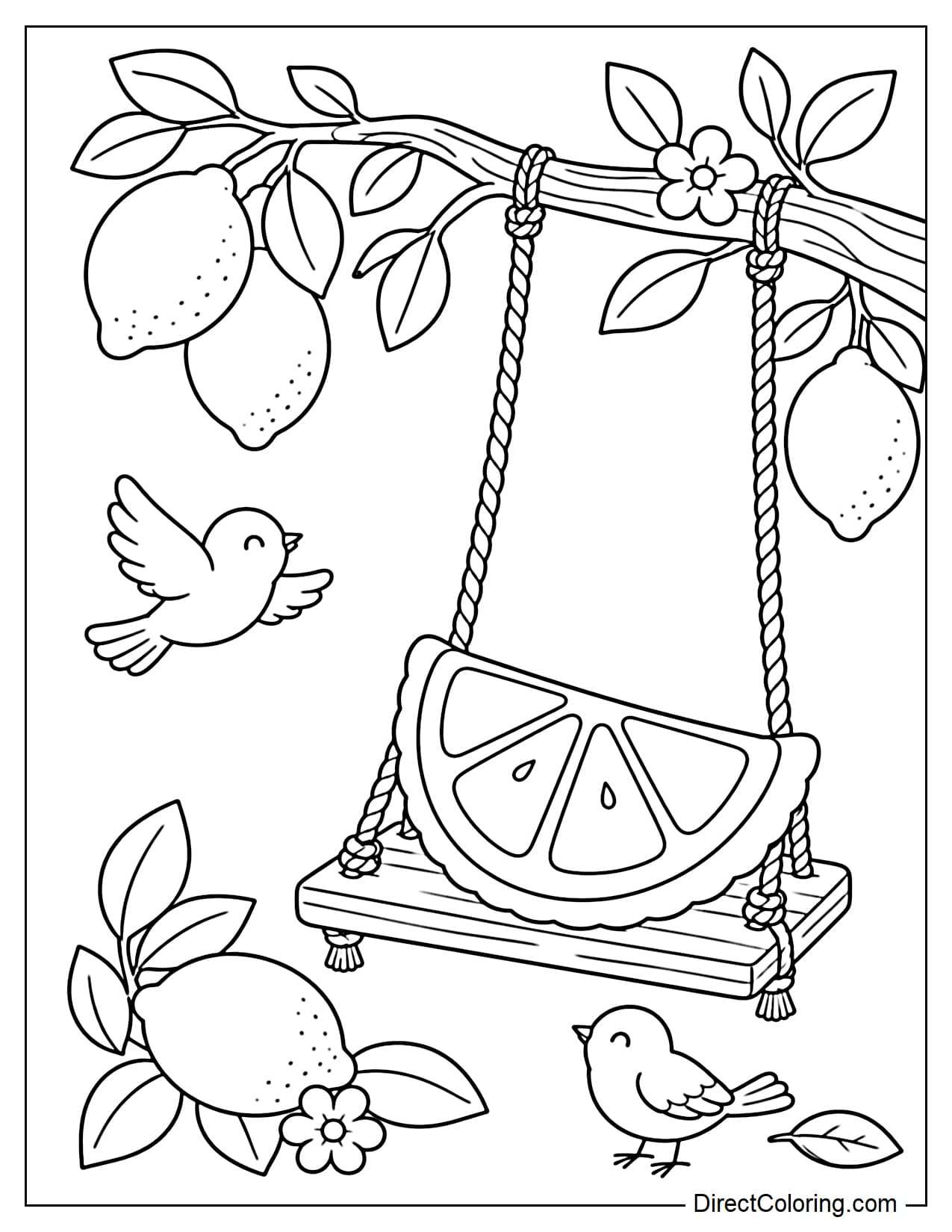
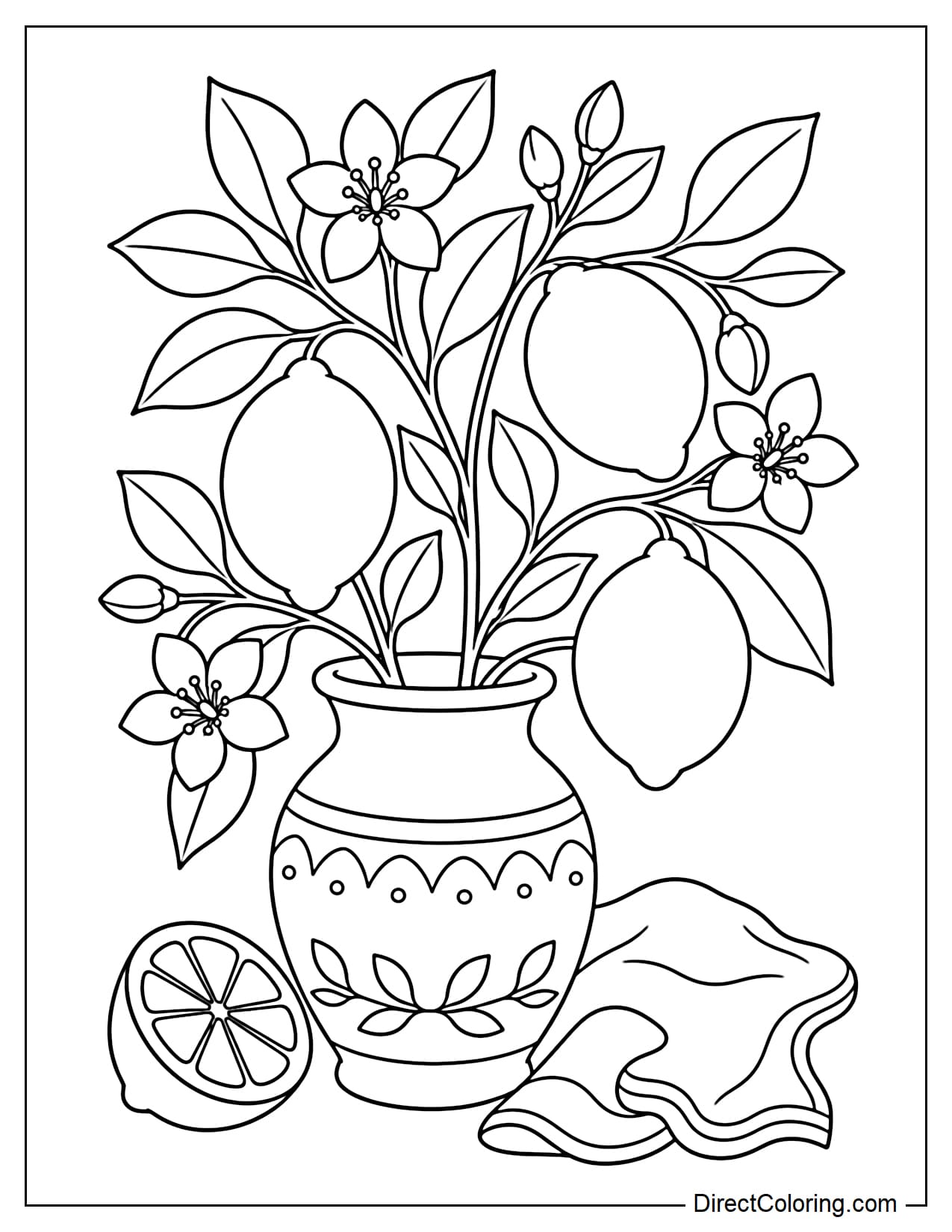
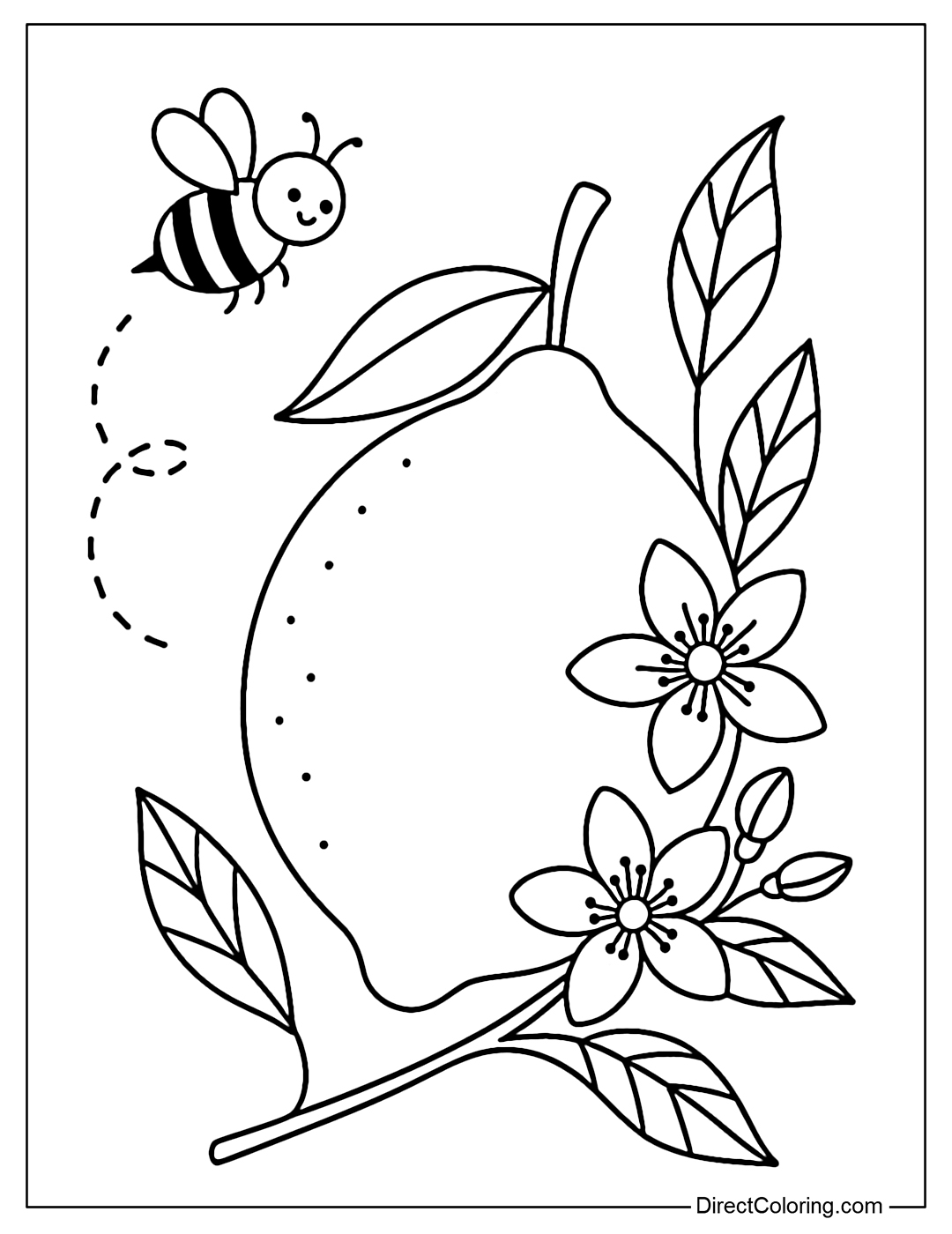
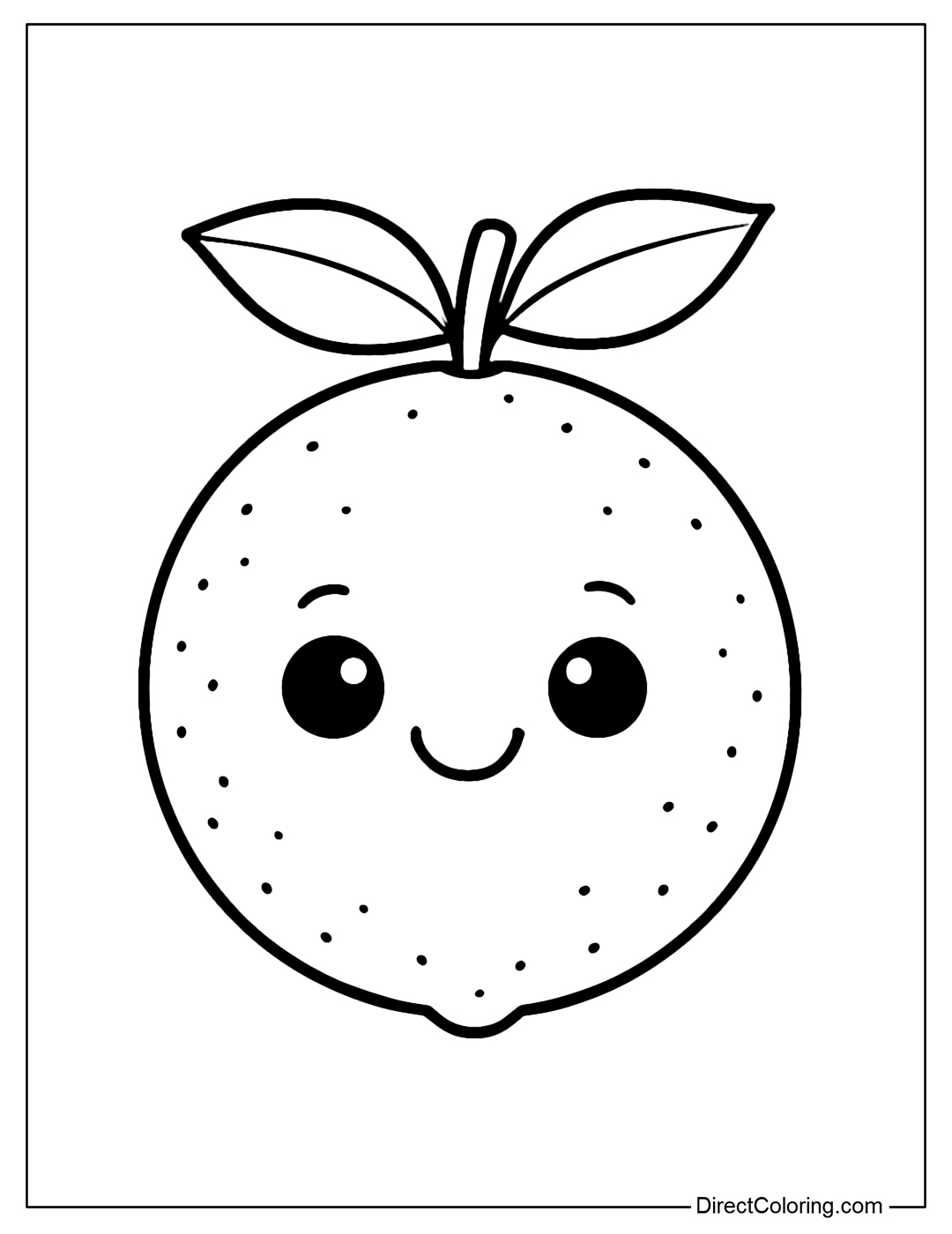
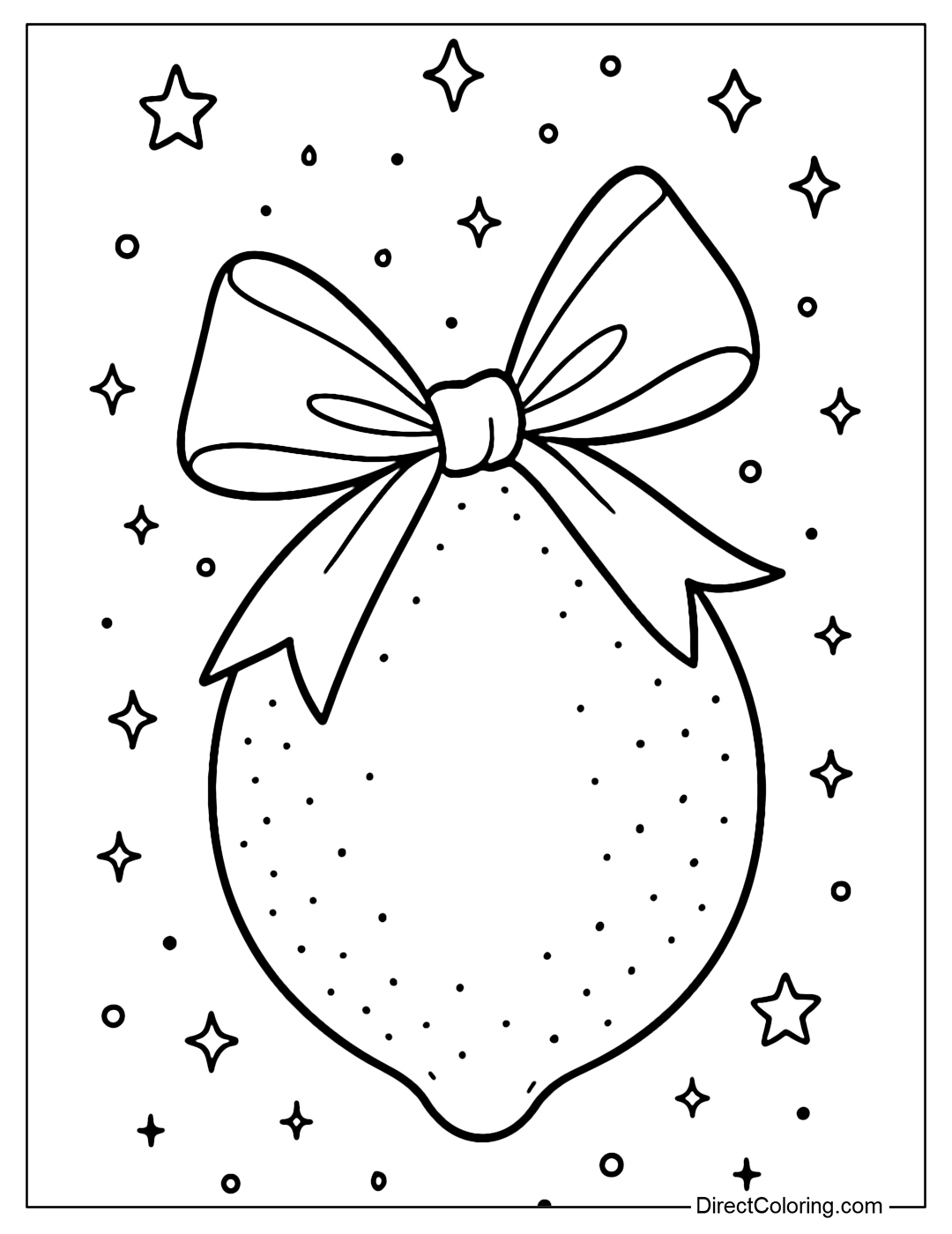
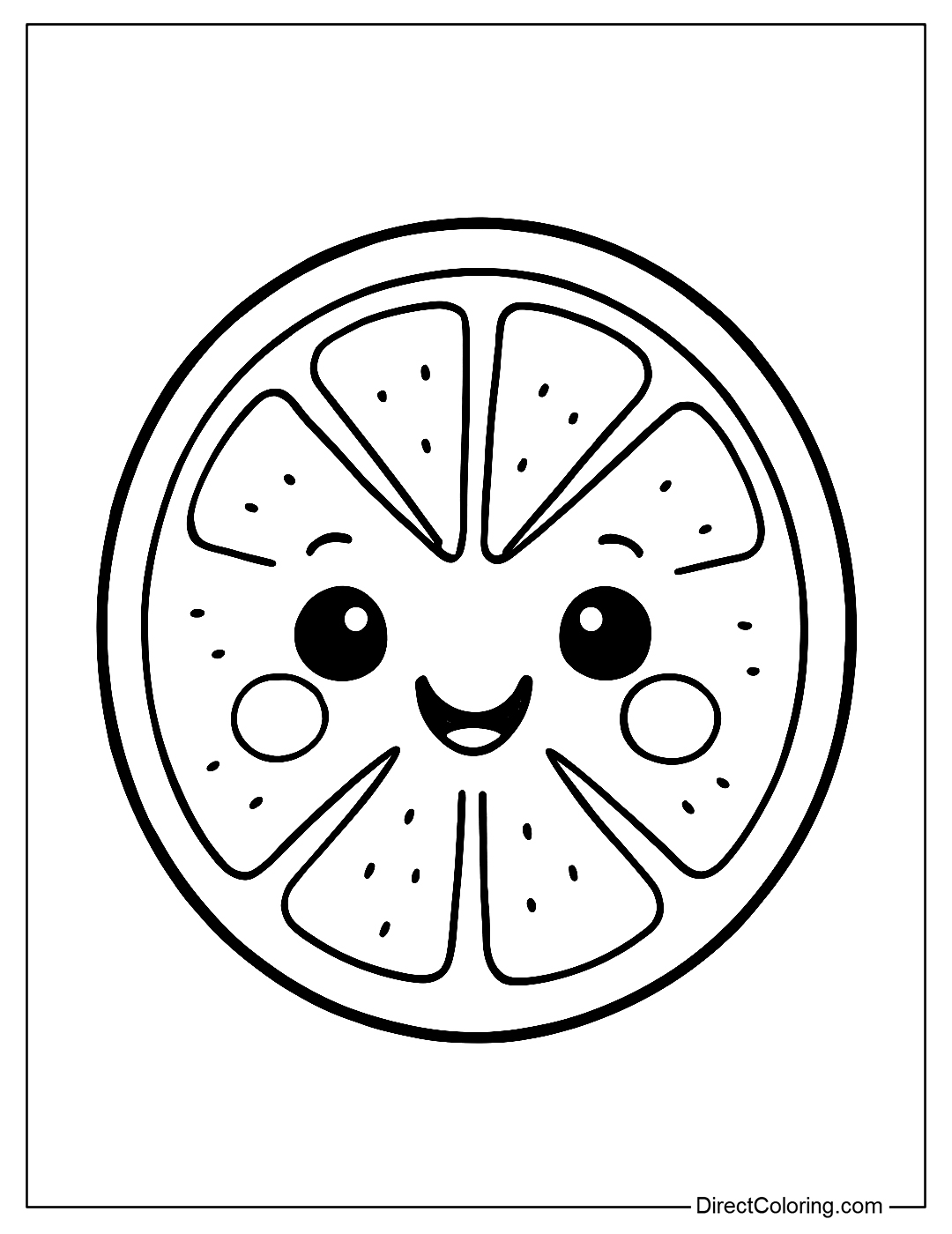
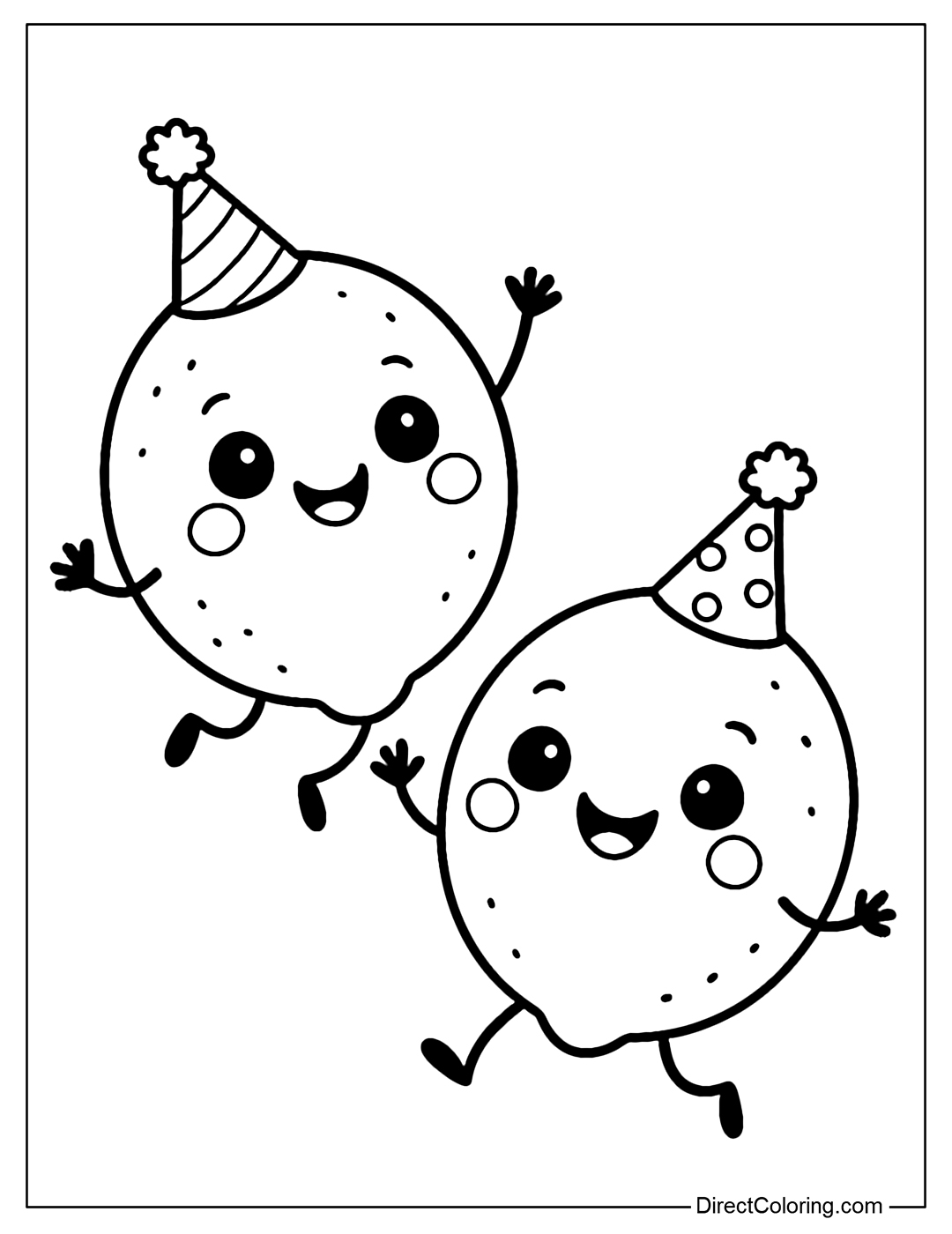
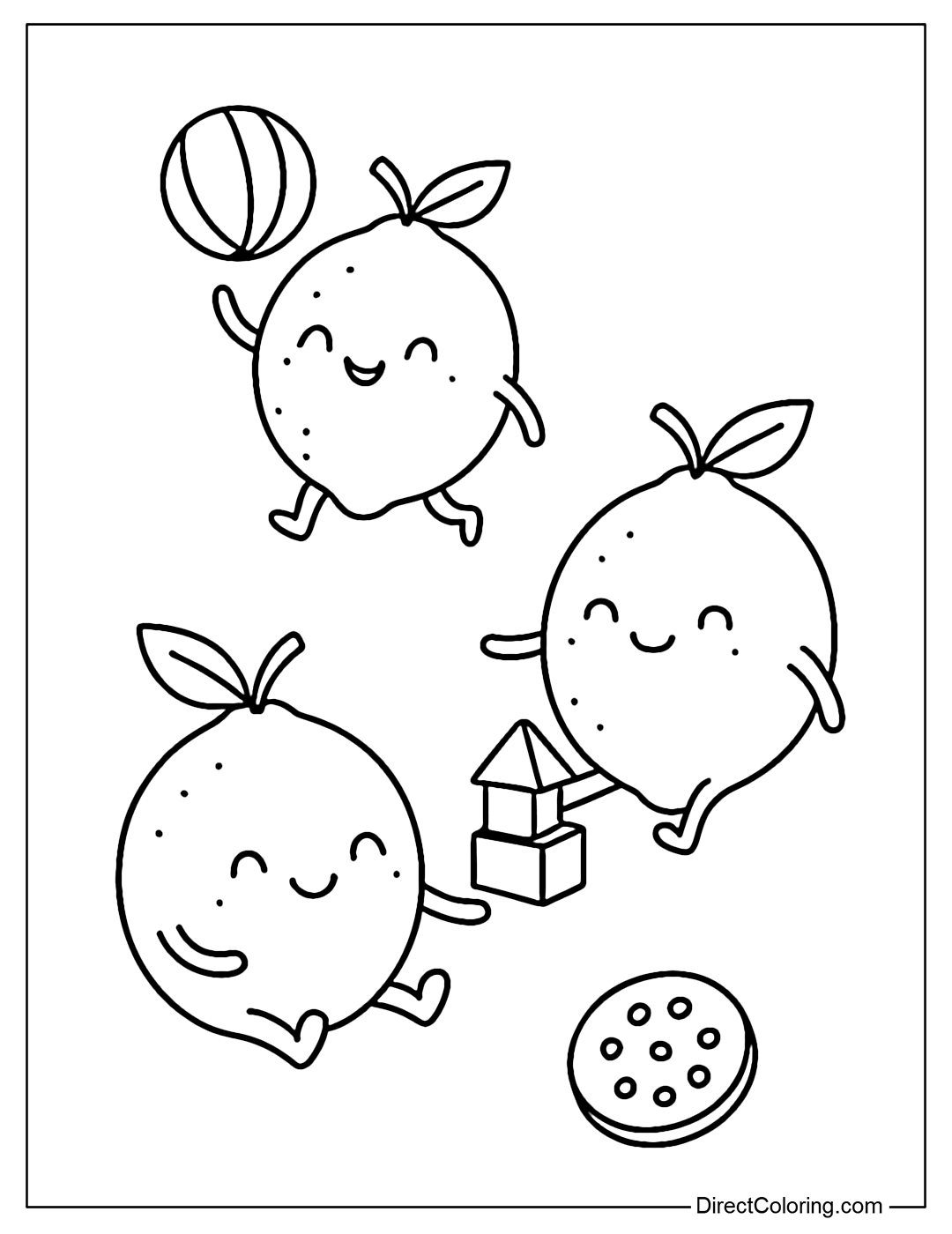
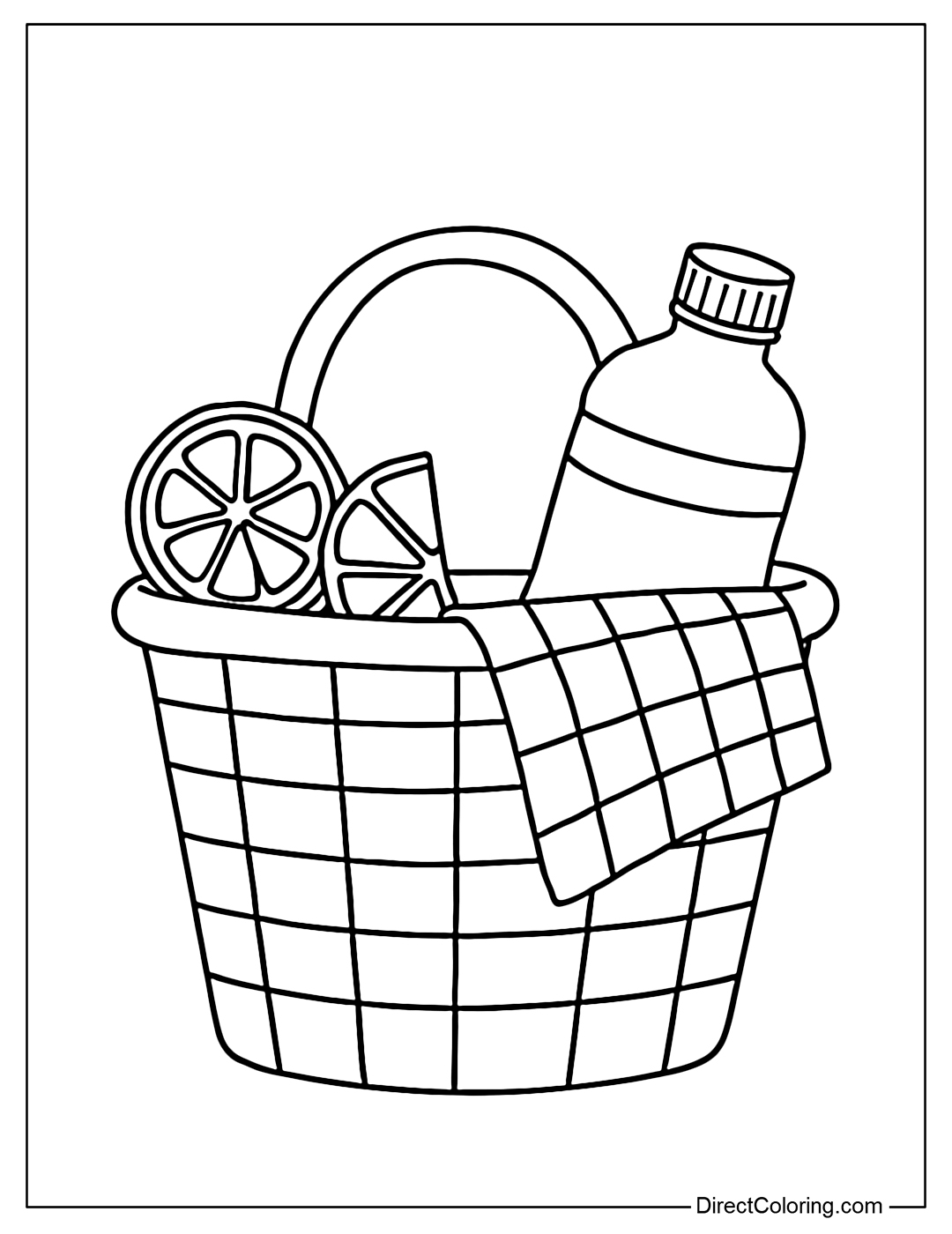
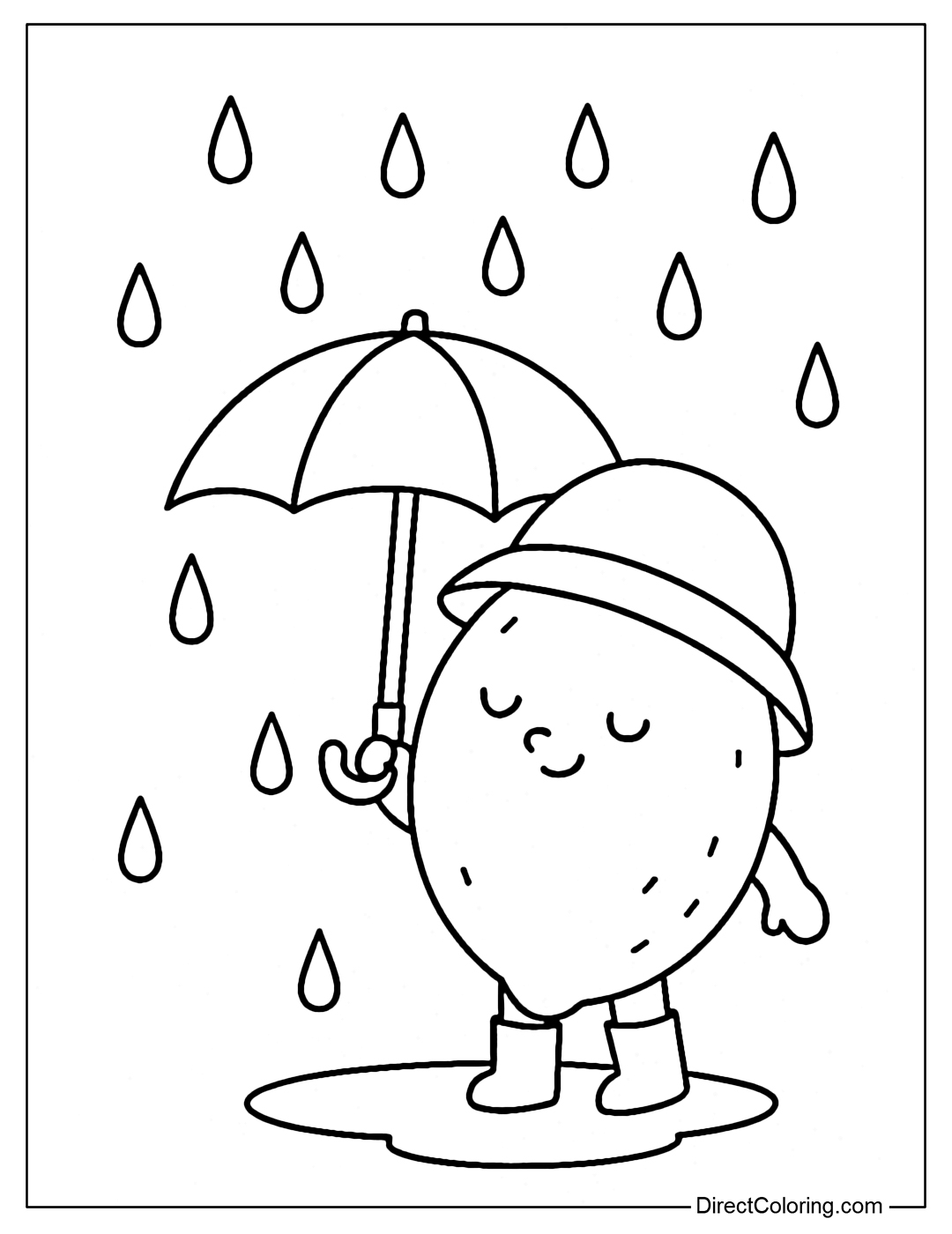
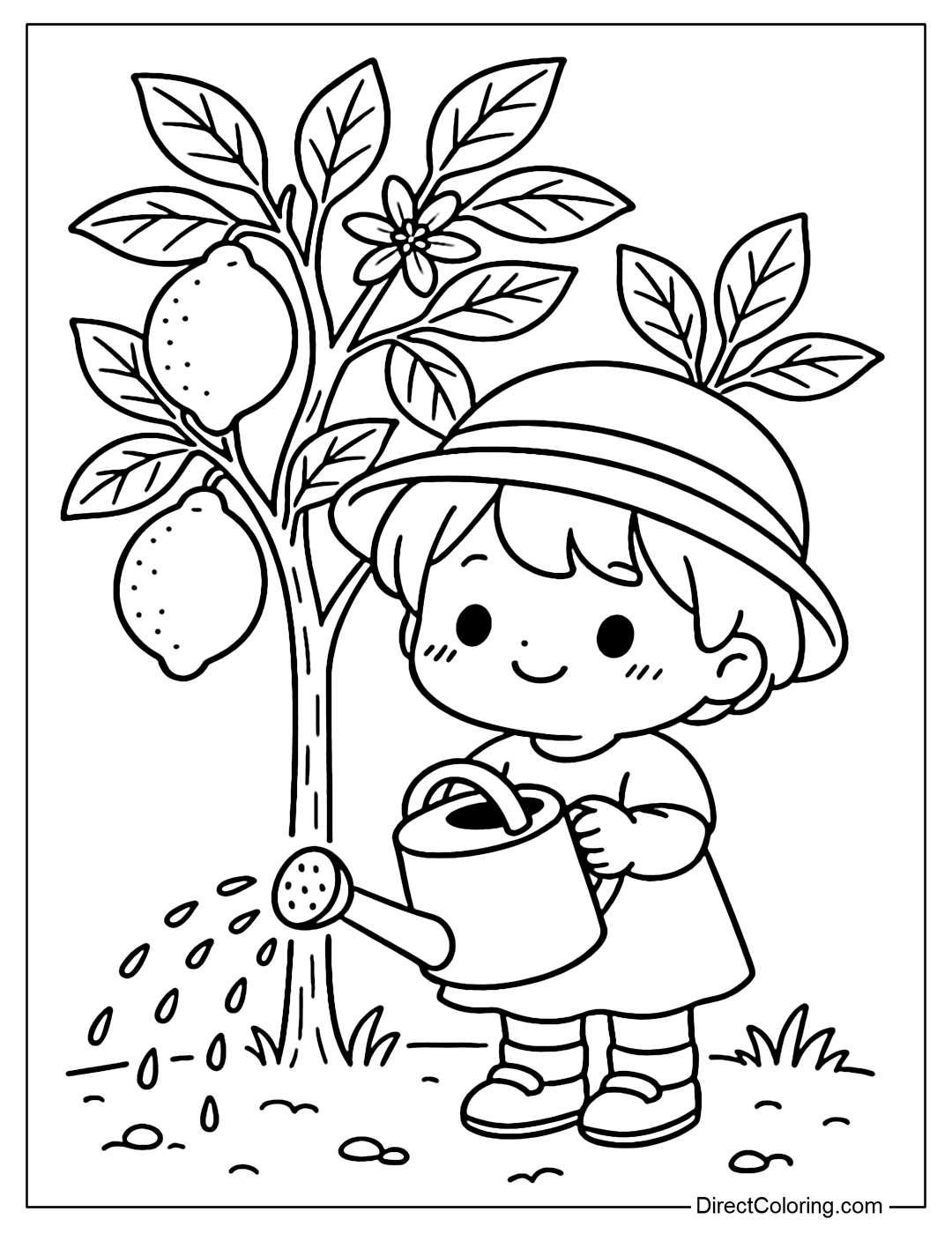
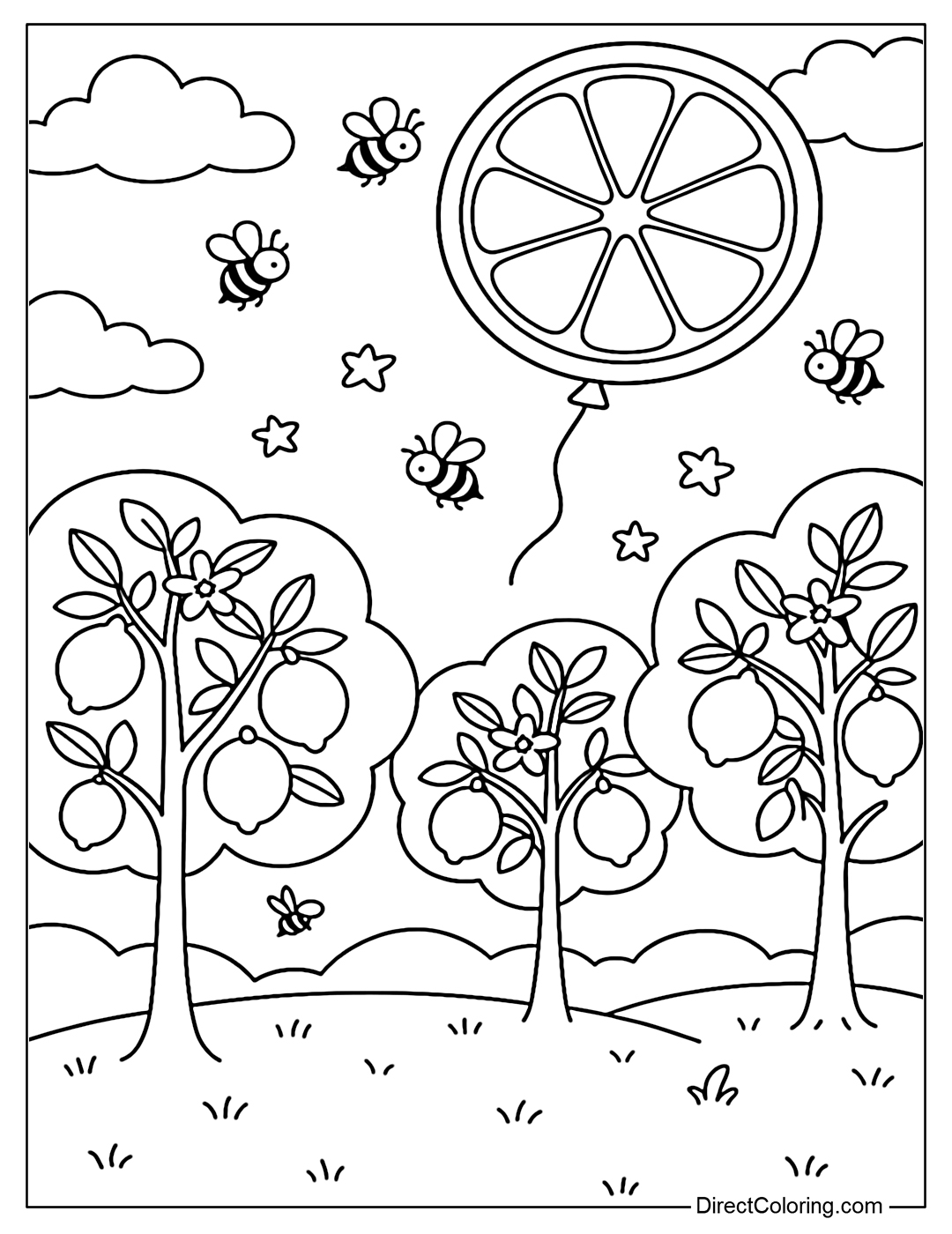
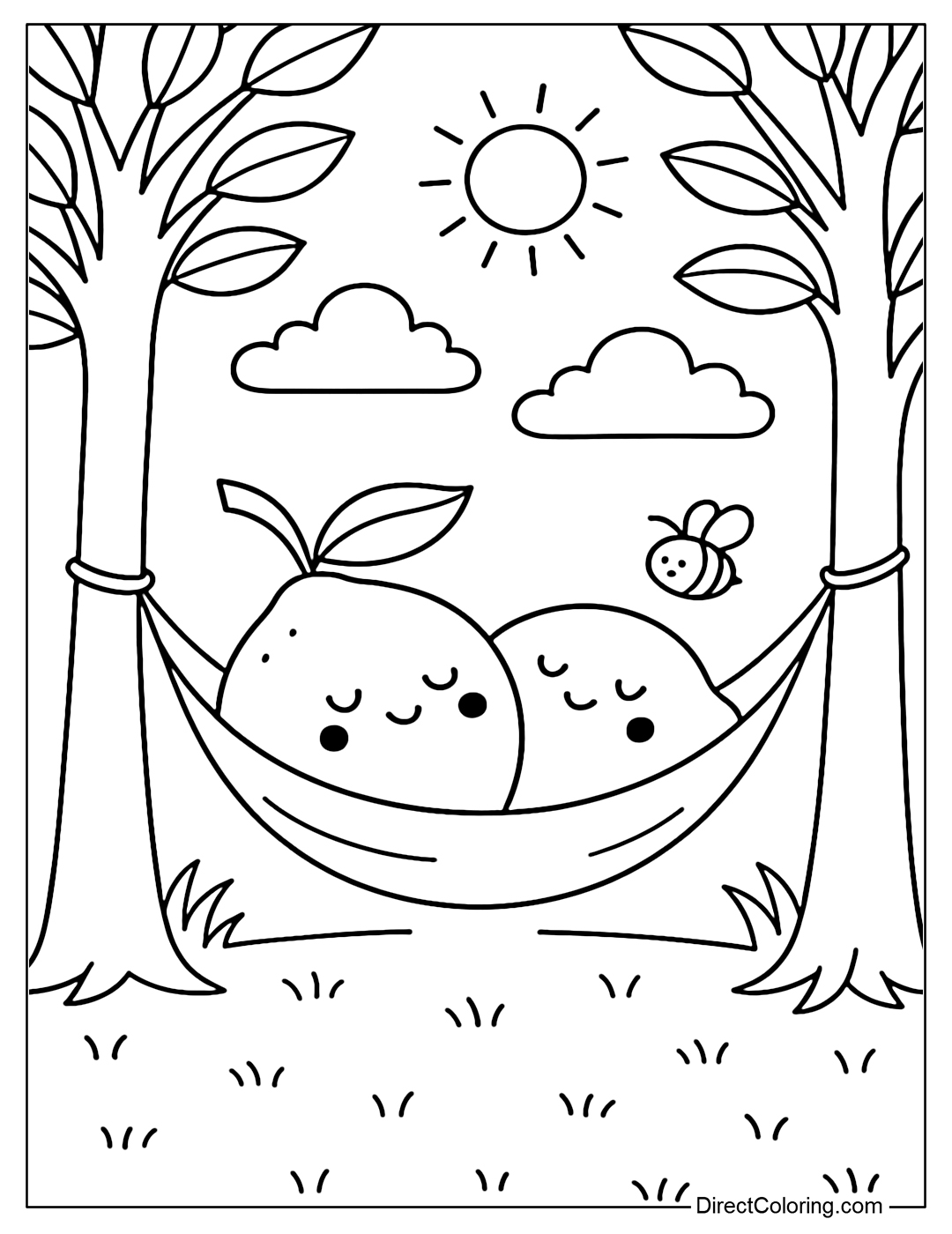
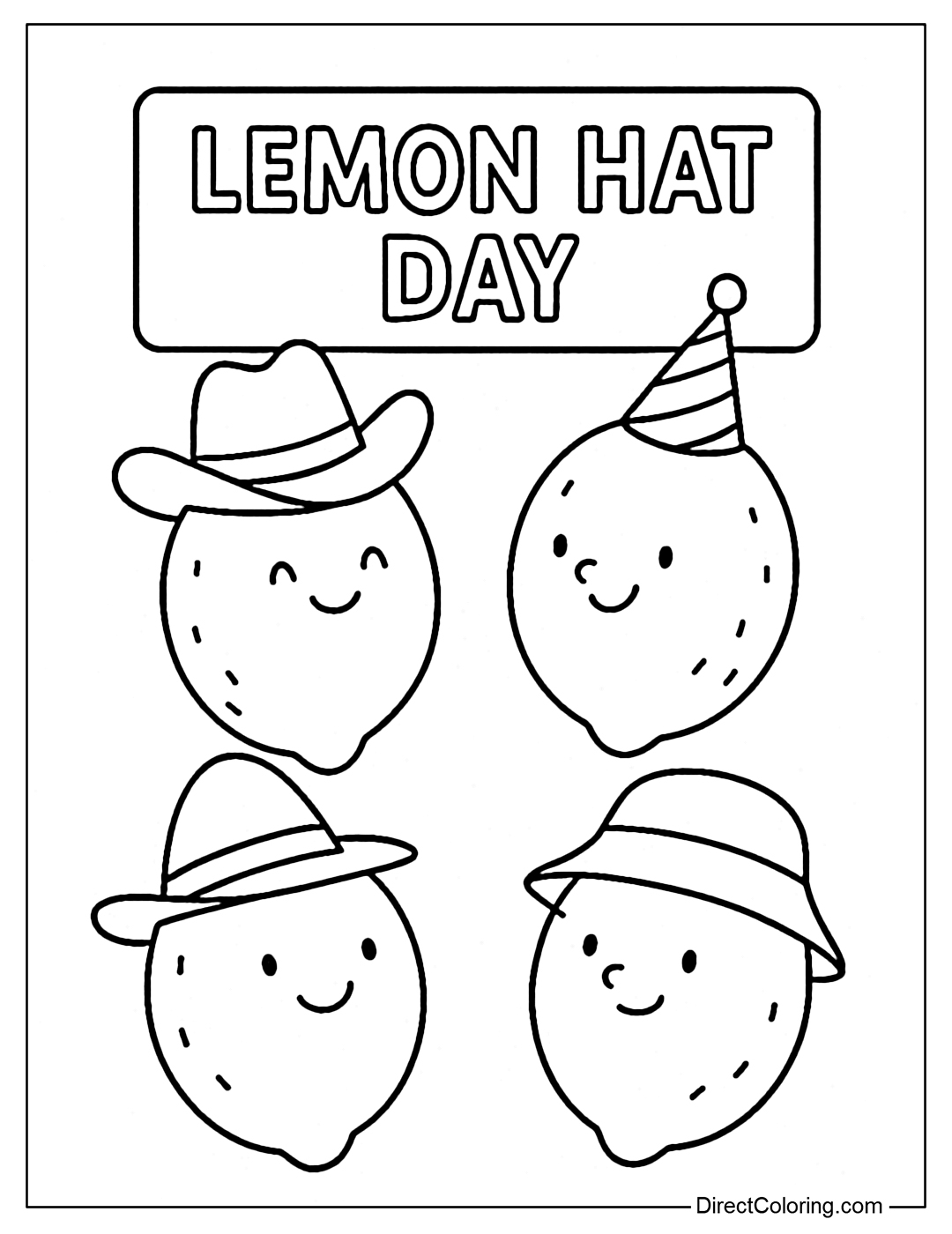
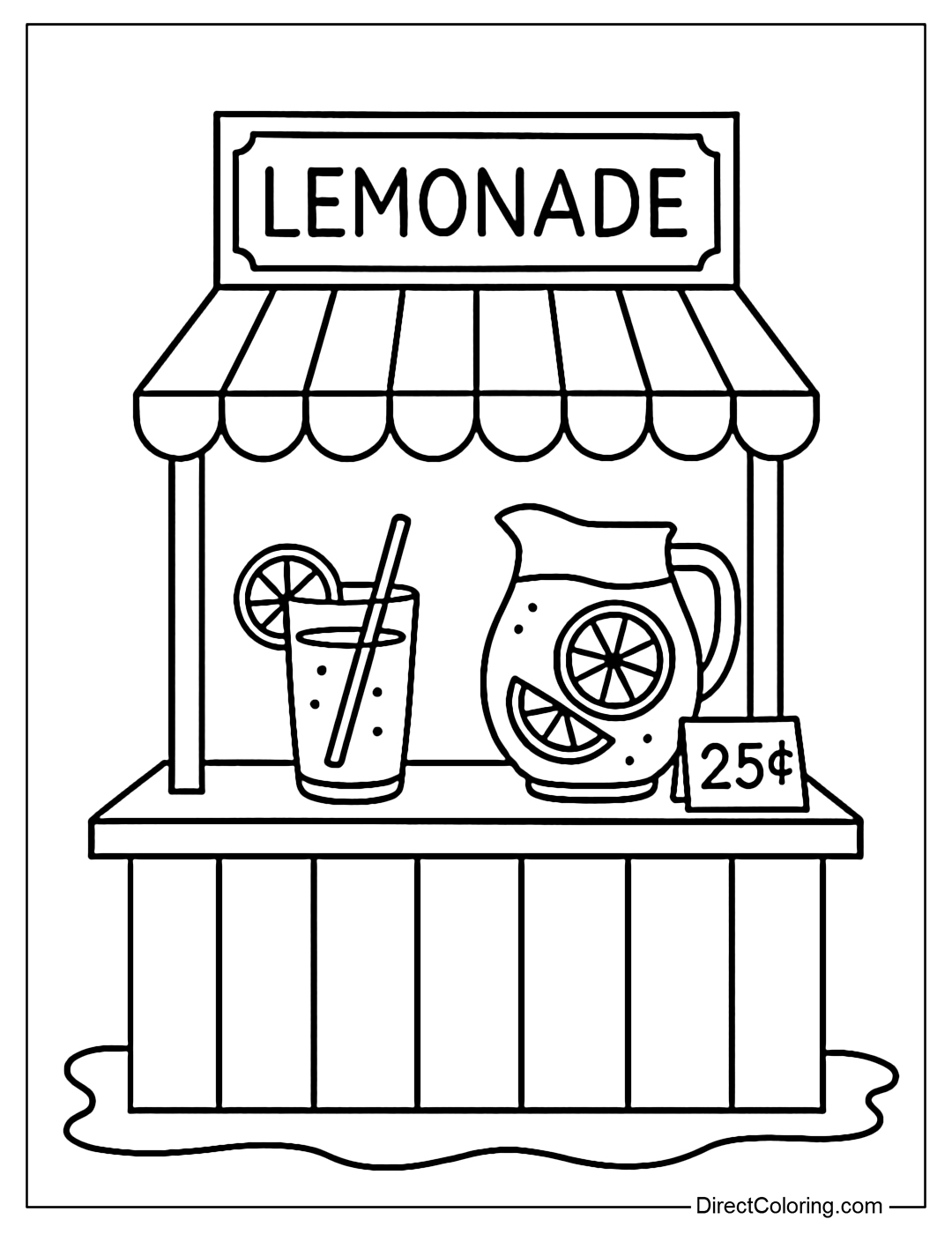
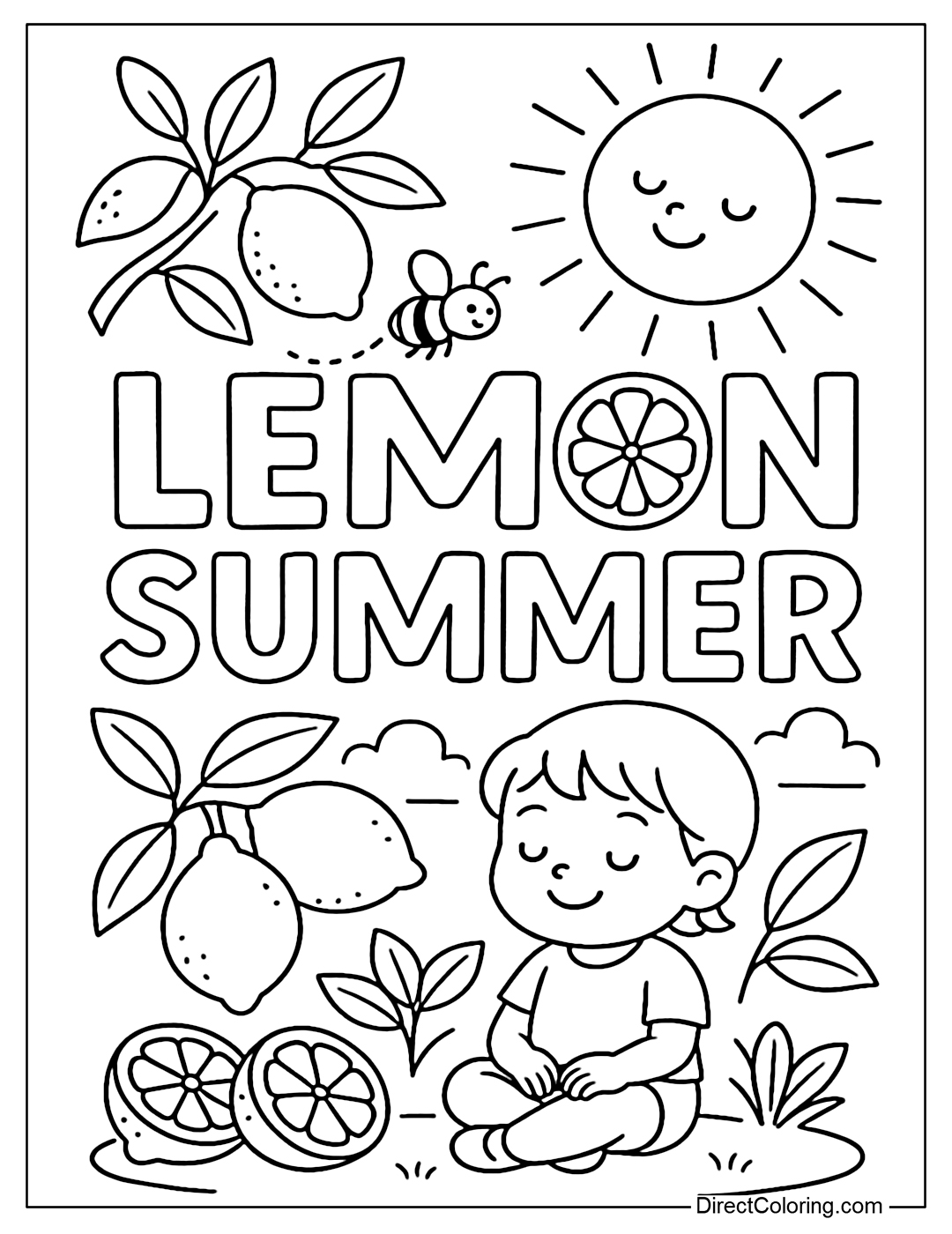
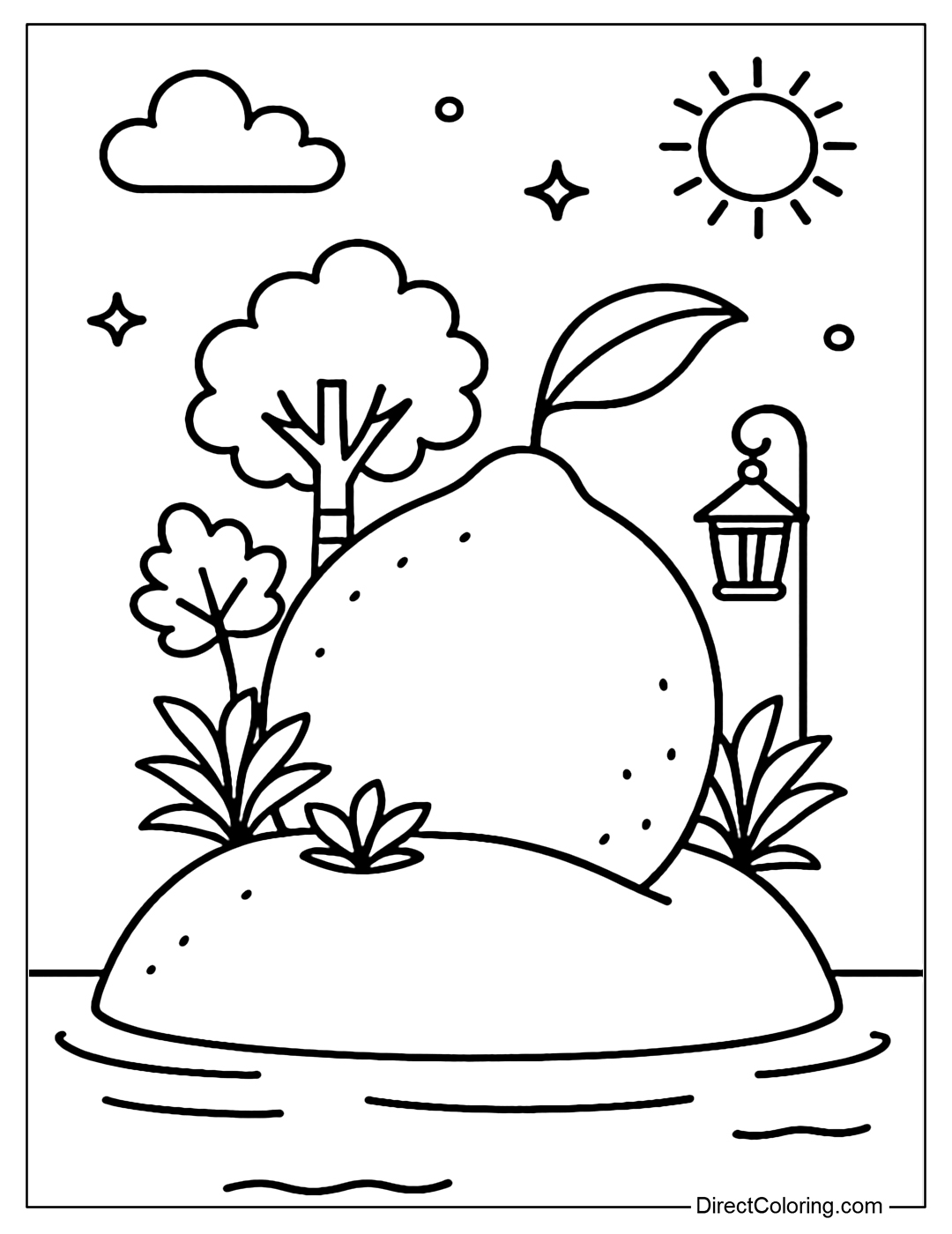
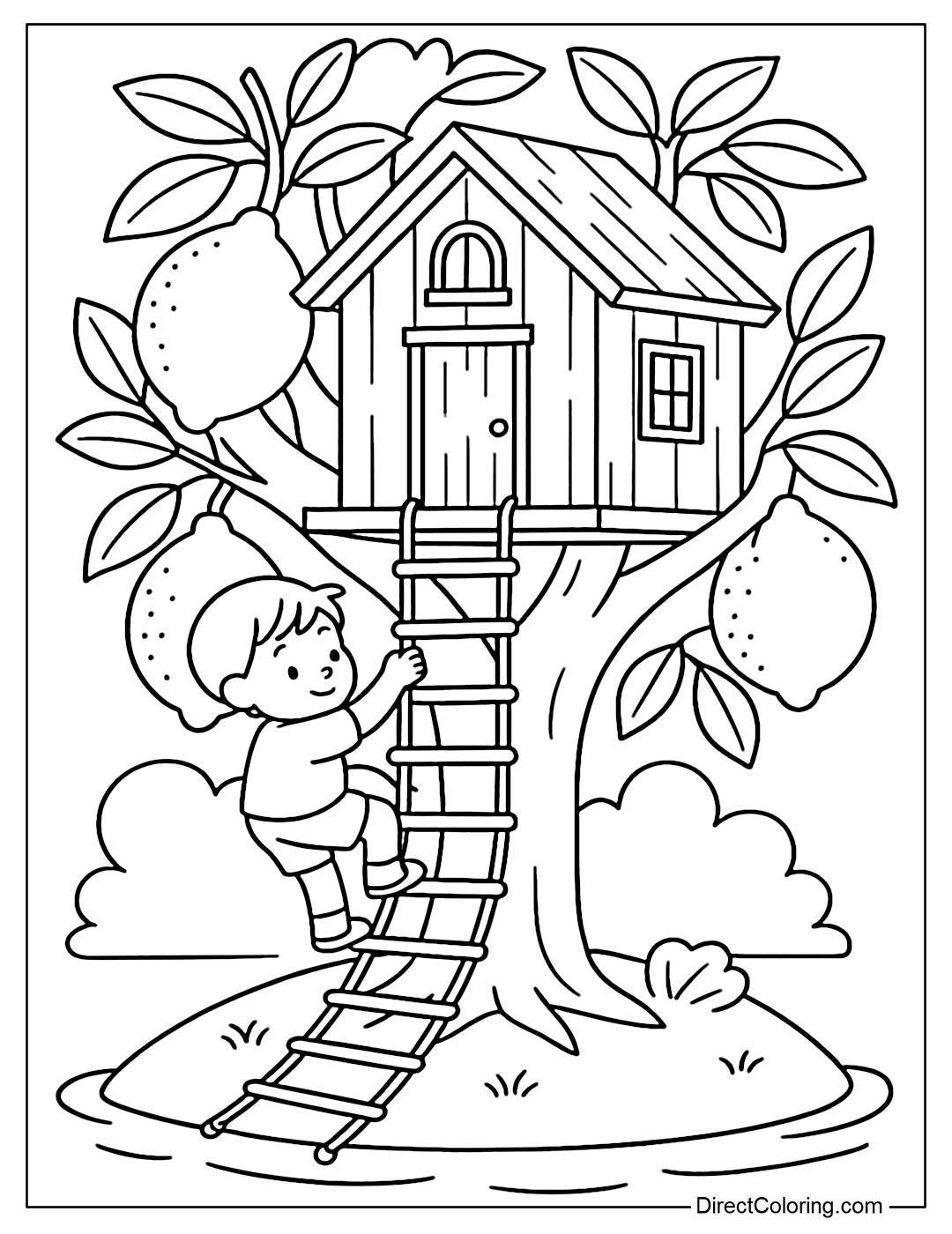
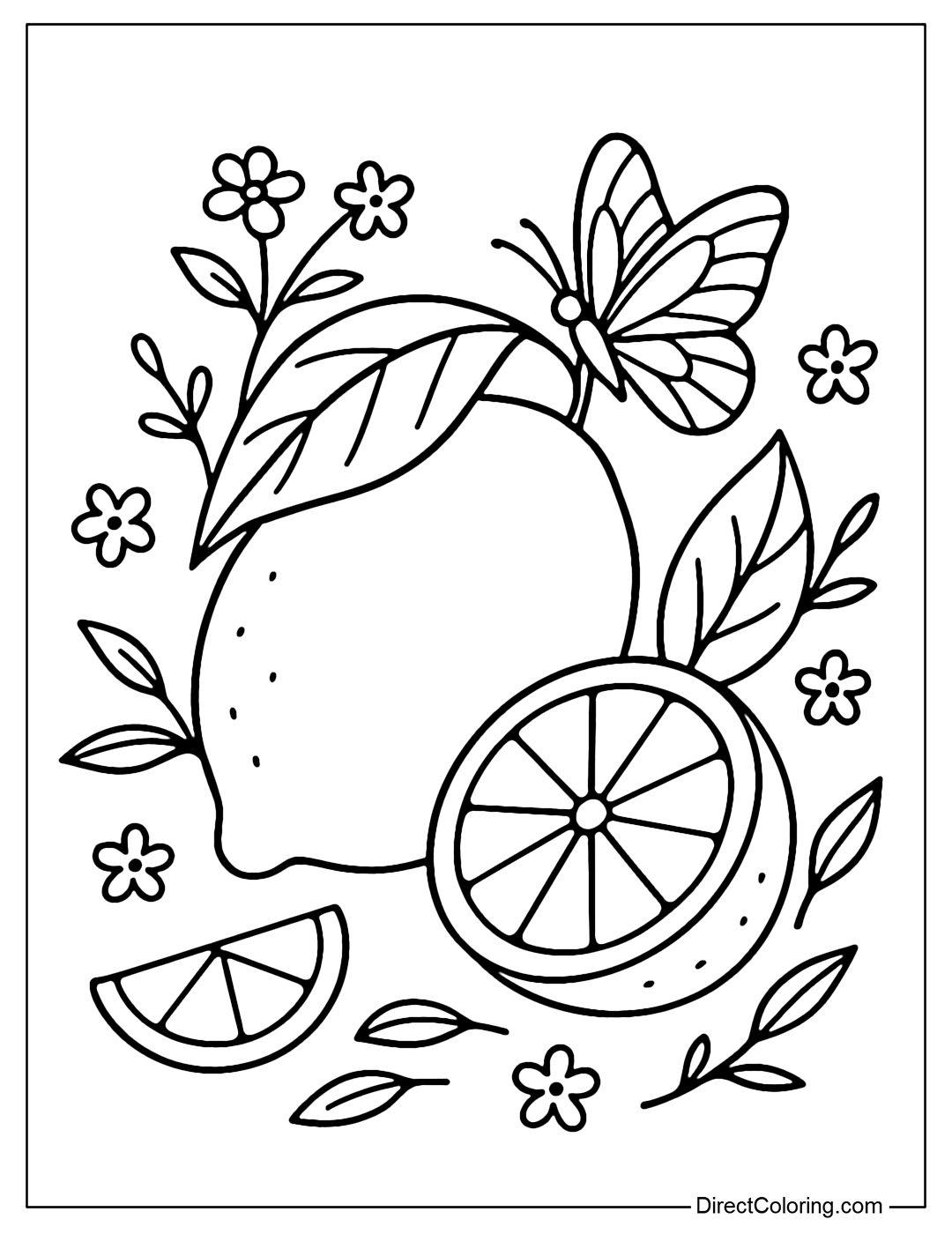
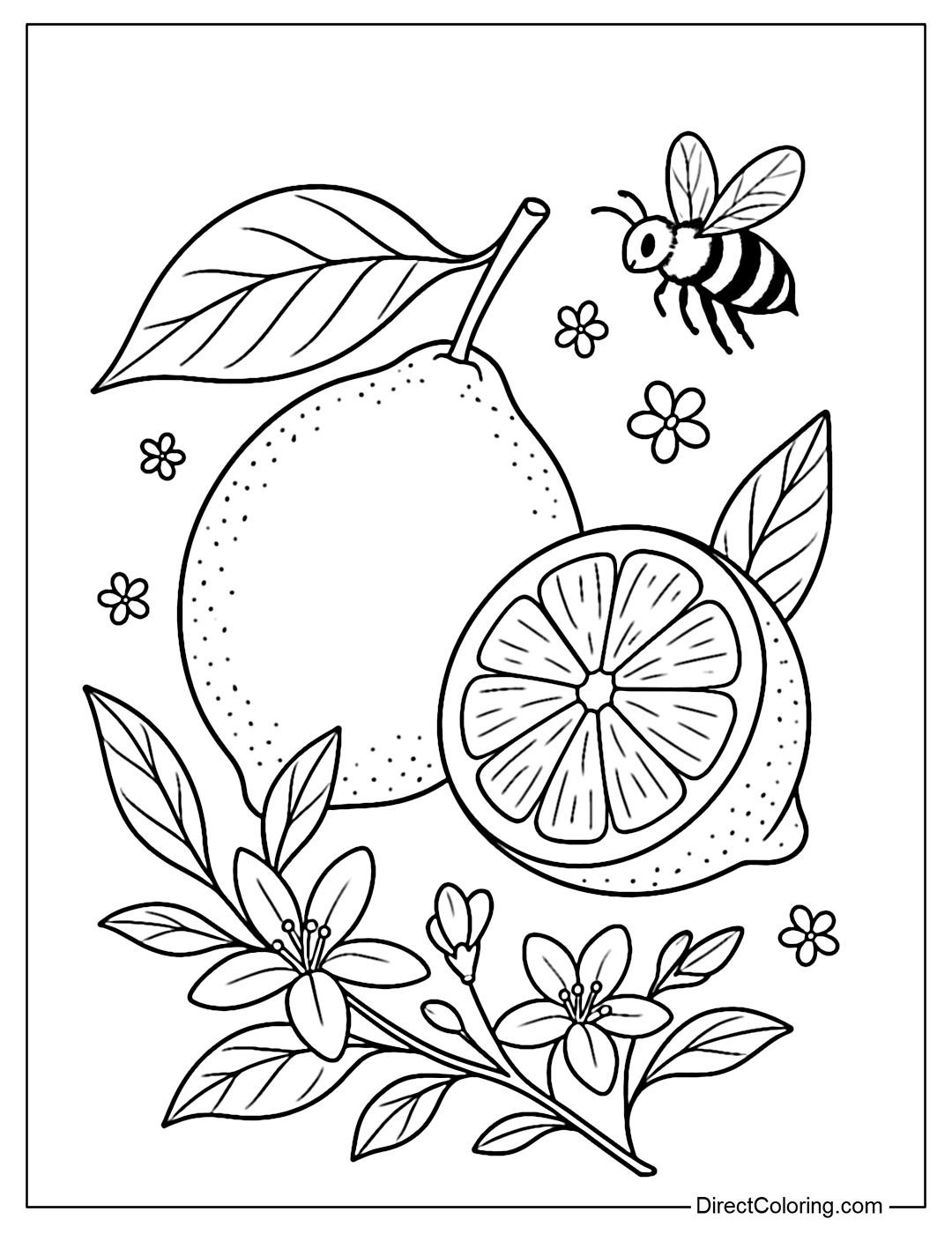
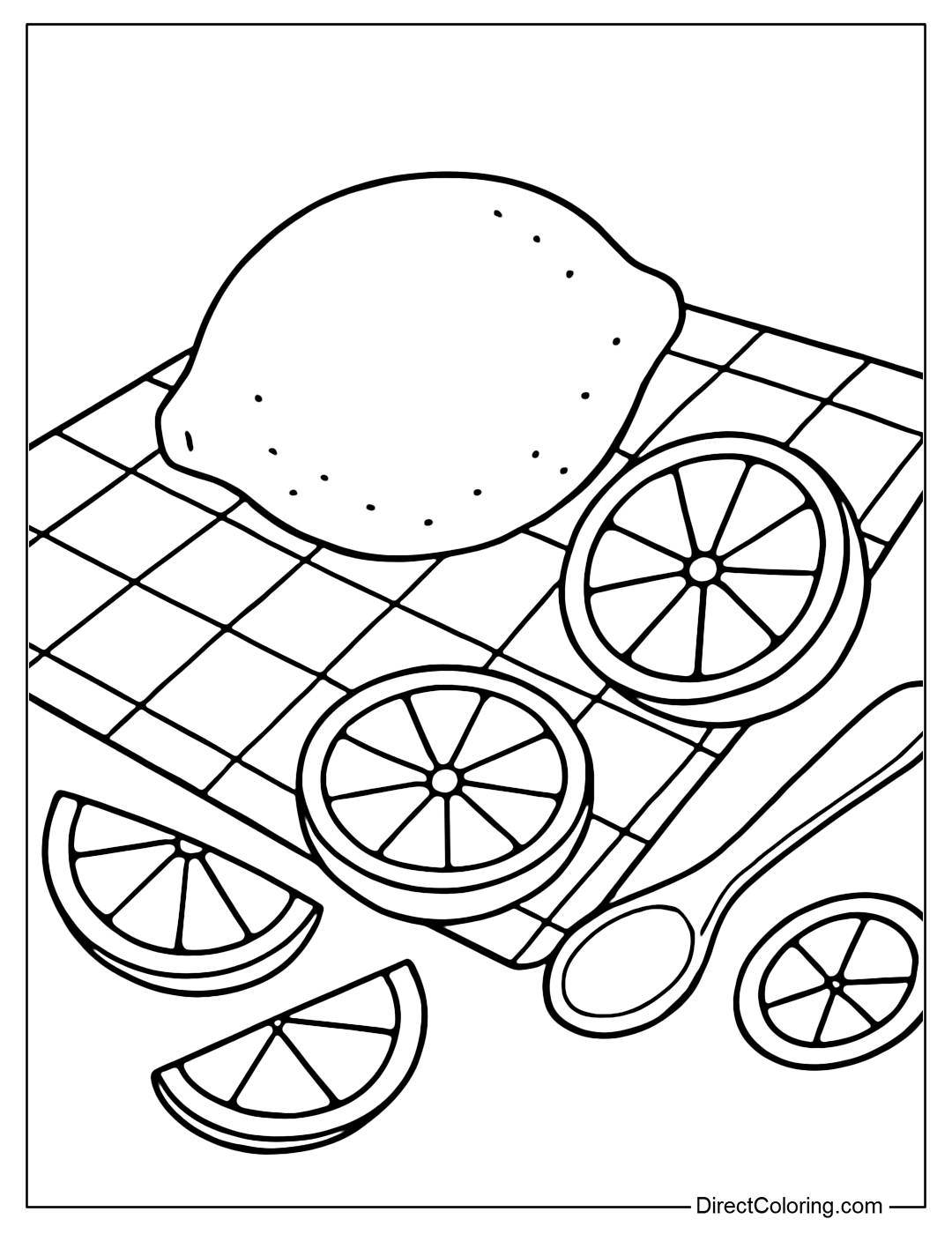
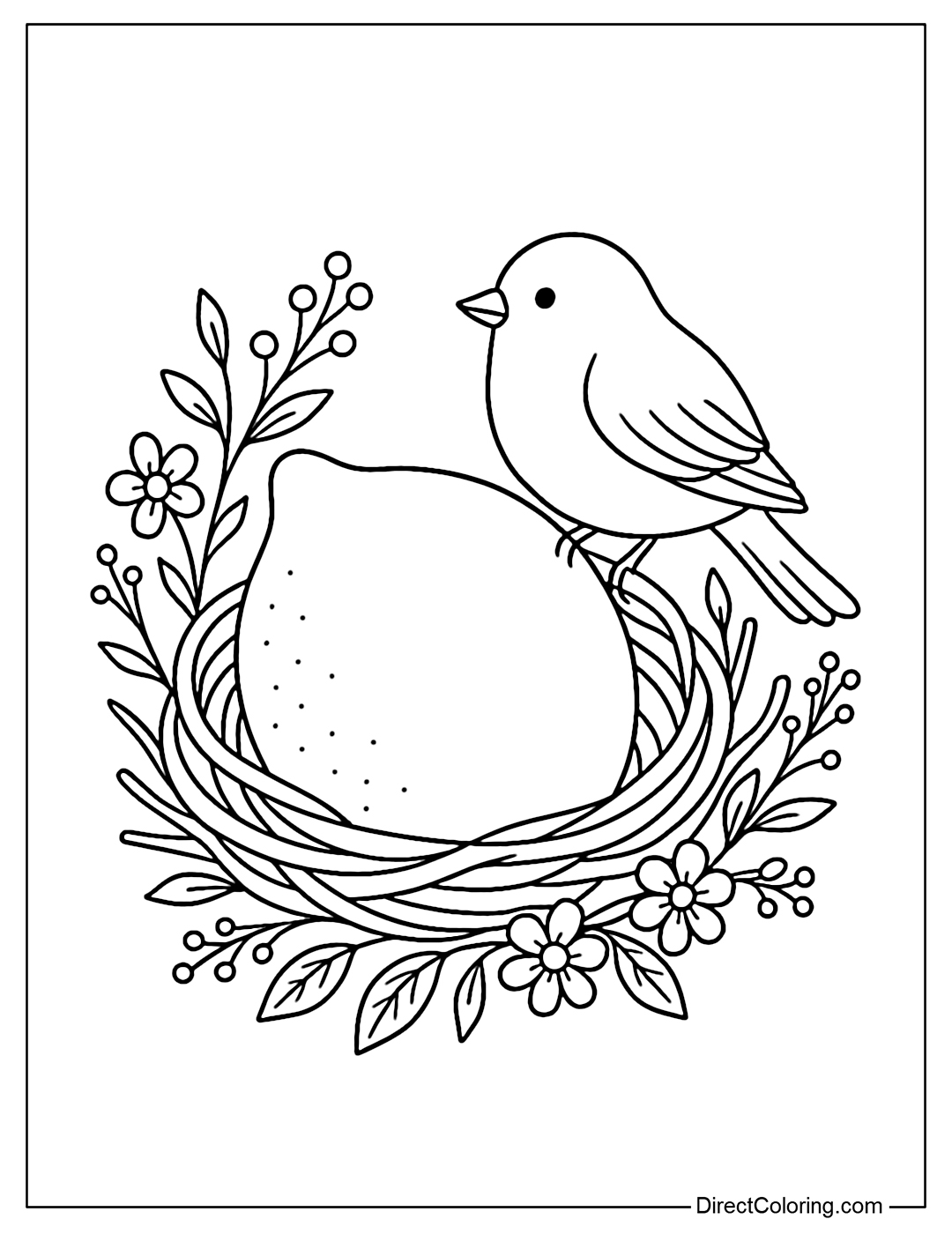
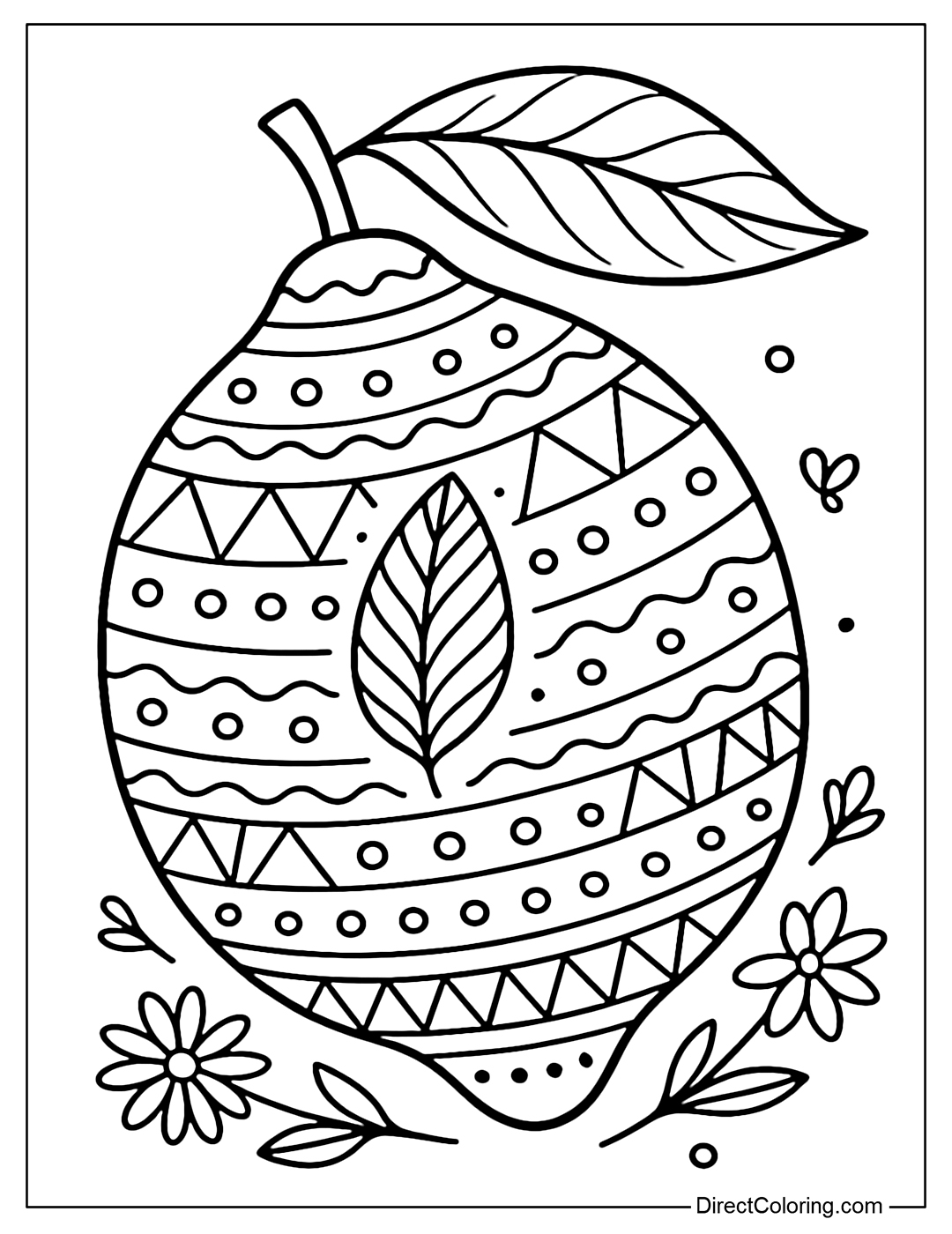
The set starts with a big whole lemon and leaves, a whole lemon beside its cut half, a smiling lemon slice, and an "L Is for Lemon" page for early letter practice. From there, it gets more character-driven: dancing lemons, baby lemons playing with toys, one lemon lounging in a hammock like it's got nowhere to be, and a small bear hugging a lemon roughly twice its size. Summer food and drink pages include a lemonade pitcher and glass, a lemonade stand, cupcakes, popsicles, and picnic baskets. Garden scenes show children picking lemons, watering a tree, or relaxing near a lemon-themed swing.
We kept the outlines bold and consistent because thin, broken lines can be frustrating for a child pressing hard with a crayon. Kids often color the lemon itself first, then pause over whether the leaves should be soft green, dark green, or something less realistic. The PDFs are formatted for standard US Letter paper and can be printed on A4 using the "Fit to page" setting. Crayons, colored pencils, and regular markers should work for most pages without requiring extra-fine tips.
Discover more printable coloring pages you'll love
Fun Ways to Use These Lemon Coloring Sheets
Lemons are familiar to many children, and the sour taste gives them something immediate to talk about while coloring. A child coloring the lemonade glass might point out the ice cubes before touching the rest of the page, or decide the giant lemon obviously belongs to the bear and start narrating why. At home, these work well for a slow afternoon, especially paired with an actual glass of lemonade on the table. In classrooms, the simpler pages, such as the whole lemon and the letter L page, get used for fruit vocabulary or quiet transition time between activities. At the same time, older kids may spend longer on the lemonade stand and garden scenes, choosing colors for sign lettering, baskets, leaves, drink containers, flowers, and the wooden swing.
Color, Print, and Share Your Lemon Pages
Print a page, grab some yellow and green, and see which lemon character your kid claims as their favorite. The hammock lemon is a strong contender. Once it's colored, snap a photo and share it on Facebook, Instagram, Pinterest, or X with the hashtags #LemonColoringPages, #DirectColoring. Free to print and easy to keep nearby for a quiet afternoon, classroom break, or summer activity.
Frequently Asked Questions
1. Is there a page where my kid can compare a whole lemon to a cut one?
Yes, there's a whole-and-half lemon page side by side, which works well if your child likes pointing out what's different between the two before coloring them.
2.
Is the bear and giant lemon page just one picture, or part of a series?
It's a single, standalone scene, a small bear hugging an oversized lemon meant more as a fun one-off than part of a connected story.
3.
Does the lemonade stand page have enough detail for an older kid to actually enjoy coloring it?
Yes, it includes a few separate elements like the stand, pitcher, and signage, giving older kids more to work through than the simpler single-fruit pages.
4.
Is my 3-year-old too young for these pages?
Not for the simplest pages. The whole lemon and lemon slice designs have large, separated shapes that are easier for a young child to follow.
5.
My son is 8 and might think lemons are "too babyish." Is there anything that doesn't feel like a little kid?
The garden and lemonade-stand scenes lean more toward an activity-based, everyday feel rather than a cartoon-character feel, so they tend to hold an older kid's attention better than the baby-lemon pages.
6.
Why are there so many different lemon scenes instead of just one lemon to color?
Mostly so a child or adult can choose a page that matches the mood. Some days call for a quick single fruit; other days, a small story scene, such as the bear or lemonade stand, feels more interesting.